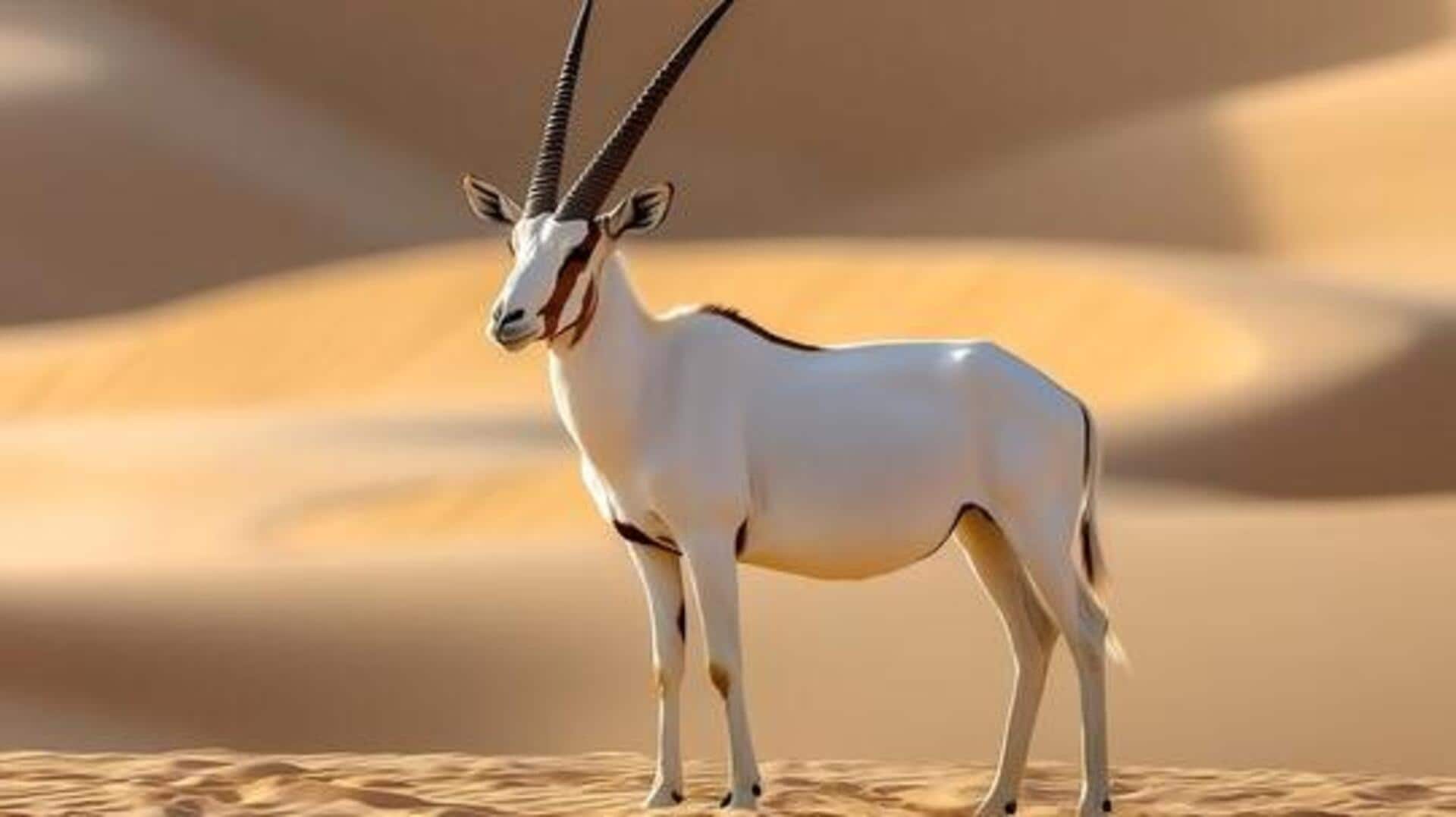
World Wildlife Day: 5 most endangered species on Earth
What's the story
World Wildlife Day, observed every year on March 3, is a reminder of the urgent need to protect wildlife and preserve biodiversity. Across the globe, countless species are facing extinction due to habitat loss, climate change, poaching, and human interference. Highlighting the most endangered species helps raise awareness and encourages collective conservation efforts. Here are five critically endangered species that deserve our attention.
#1
Giant panda
The giant panda, native to China, is one of the most iconic endangered species.
Habitat loss due to deforestation and human activity has drastically reduced their population.
Conservation efforts, including habitat restoration and breeding programs, have helped their numbers slowly recover, but continued protection is essential to ensure their survival in the wild.
#2
Siberian tiger
Siberian tigers, found in the Russian Far East, are the largest cats in the world.
They face threats from poaching and habitat fragmentation.
With fewer than 600 individuals left in the wild, strict anti-poaching laws, habitat protection, and wildlife corridors are crucial for preventing their extinction.
#3
Sumatran orangutan
Sumatran orangutans, native to Indonesia, are critically endangered due to illegal logging, palm oil plantations, and forest fires.
These intelligent primates play a vital role in seed dispersal, maintaining healthy forests.
Conservation programs focus on habitat protection, rehabilitation, and anti-deforestation initiatives to save this species.
#4
Hawaiian monk seal
The Hawaiian monk seal is one of the rarest marine mammals, with fewer than 1,500 individuals remaining.
Human activity, entanglement in fishing nets, and loss of breeding beaches threaten their survival.
Marine conservation programs and protected areas aim to safeguard this species and restore its population.
#5
Amur leopard
The Amur leopard, native to the Russian Far East and northeast China, is one of the rarest big cats in the world, with fewer than 150 individuals in the wild.
Habitat loss, poaching, and prey depletion threaten its survival.
Conservation programs, protected reserves, and anti-poaching initiatives are vital to prevent the extinction of this beautiful feline.