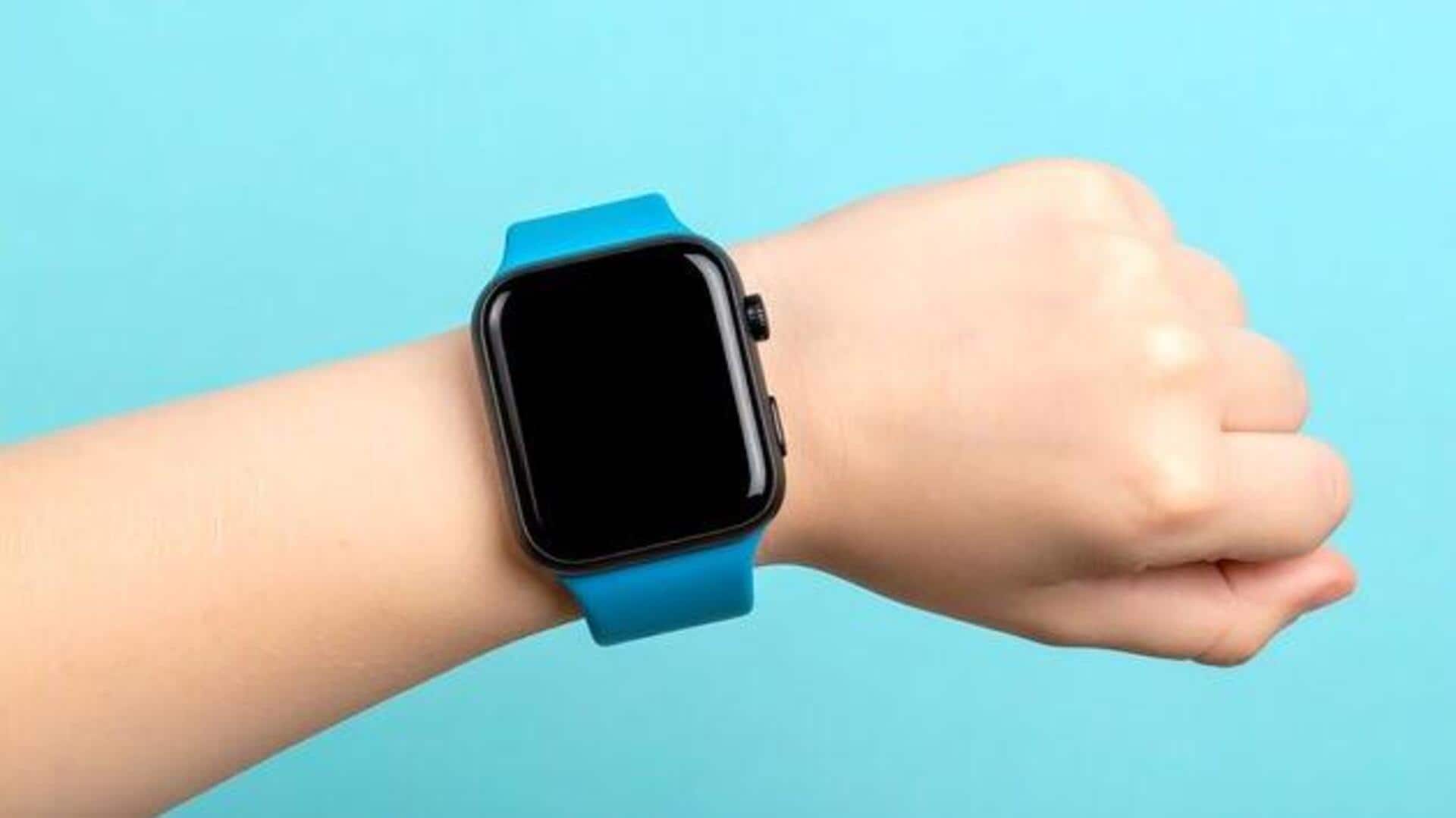
Are wrist accessories good for your health?
What's the story
Wrist accessories are often associated with a number of health benefits, but many of these claims are more myth than fact. From magnetic bracelets to acupressure bands, people believe these items can cure or prevent various ailments. However, it's important to distinguish between what is scientifically proven and what is merely anecdotal. This article aims to debunk common myths surrounding wrist accessories and their supposed health benefits.
Myth 1
Magnetic bracelets: Fact or fiction?
Magnetic bracelets are said to improve circulation and reduce pain by influencing the body's magnetic field.
However, scientific studies have yielded mixed results, with no definitive evidence supporting these claims.
While some users report feeling better, it's likely due to the placebo effect rather than any real physiological change.
Until more conclusive research emerges, relying on magnetic bracelets for health benefits remains unproven.
Myth 2
Acupressure bands: Pressure points myth
Acupressure bands are based on the principle of stimulating pressure points on the body to relieve nausea or pain.
While acupressure itself is a traditional practice, its efficacy through wristbands is often overstated.
Although some people may experience temporary relief from nausea or motion sickness while wearing these bands, it is not a guaranteed or long-term solution for all ailments.
Myth 3
Health monitoring wristbands: Not all accurate
Health monitoring wristbands claim to track various bodily functions like heart rate, sleep patterns, and more, accurately.
Although these devices can provide useful insights, they are not always accurate.
Factors like user error or device limitations can affect the accuracy of the data collected by these wristbands.
It is important for users to understand that while helpful, these devices should not replace professional medical advice or diagnosis.
Myth 4
Fashion v/s functionality: Style over substance
Many wrist accessories are marketed as having health benefits when they are primarily designed for aesthetic appeal.
The line between fashion and functionality can often be blurred in marketing campaigns that emphasize supposed health advantages without scientific backing.
Consumers should be cautious about purchasing items solely based on claimed benefits without verifying their validity through credible sources.
Myth 5
Costly accessories: Worth the investment?
Some wrist accessories come with a hefty price tag, promising significant health improvements.
However, investing in expensive items without proven benefits may not be wise.
Instead, individuals should focus on lifestyle changes supported by scientific evidence, such as regular exercise and a balanced diet.
These offer tangible health benefits without the need for costly accessories.