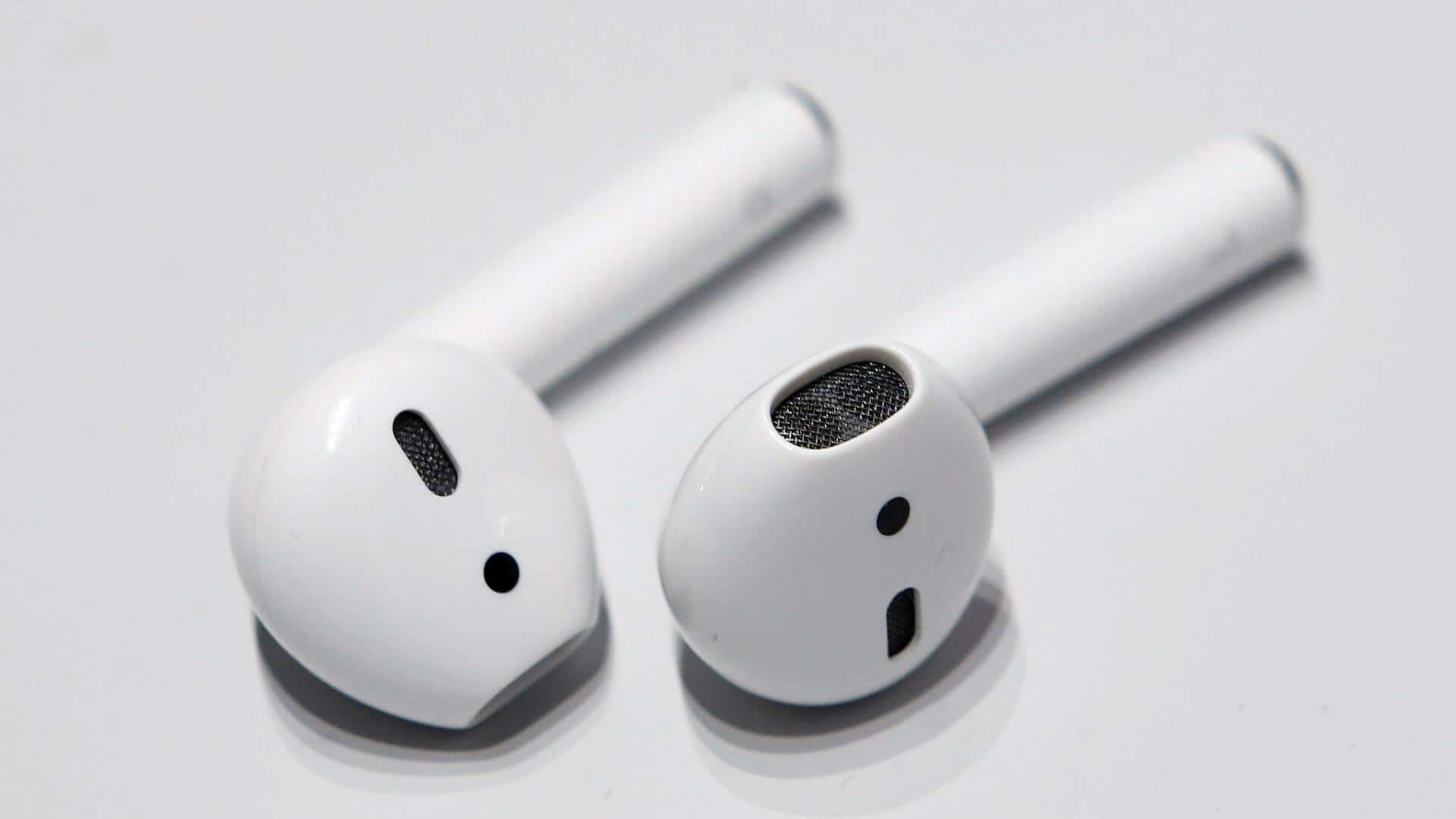
This app unlocks hidden AirPods features on Android devices
What's the story
Kavish Devar, a 15-year-old student from Gurugram, has developed an app called LibrePods. The tool brings most of the AirPods experience to Android and Linux devices for free. The project was recently highlighted on X, bringing it back into the limelight. For years, Apple has limited its smartest AirPods features to iPhone users only. On Android devices, they work like regular Bluetooth earbuds.
App features
A game-changer for Android users
LibrePods completely changes the game by reverse-engineering Apple's closed communication system.
The tool makes AirPods "believe" they are connected to an Apple device, unlocking features that were previously exclusive to Apple's ecosystem.
These include ear detection, noise-control modes, head-gesture controls, accurate battery information, hearing-aid features and transparency mode.
It even offers conversational awareness that automatically lowers volume when you start speaking.
User flexibility
LibrePods supports multi-device connectivity and customization
LibrePods offers multi-device connectivity and customization options like renaming and accessibility settings.
The newer AirPods models like AirPods Pro and AirPods Max get the most advanced facilities, while older versions still benefit from basics like battery readings.
The Verge called it a major breakthrough as it brings the iPhone-exclusive features to non-Apple devices in an unprecedented manner.
Developer profile
Kavish's journey as a self-taught programmer
Not much is known about Kavish, except that he is still in high school. Reports suggest he taught himself programming and cracked Apple's closed protocols on his own.
His GitHub page details how the system works, which AirPods models are supported, and the technical requirements for full functionality.
The renewed attention has thrust Kavish into the global conversation once again, with many calling his work a "quiet rebellion" against closed tech ecosystems.