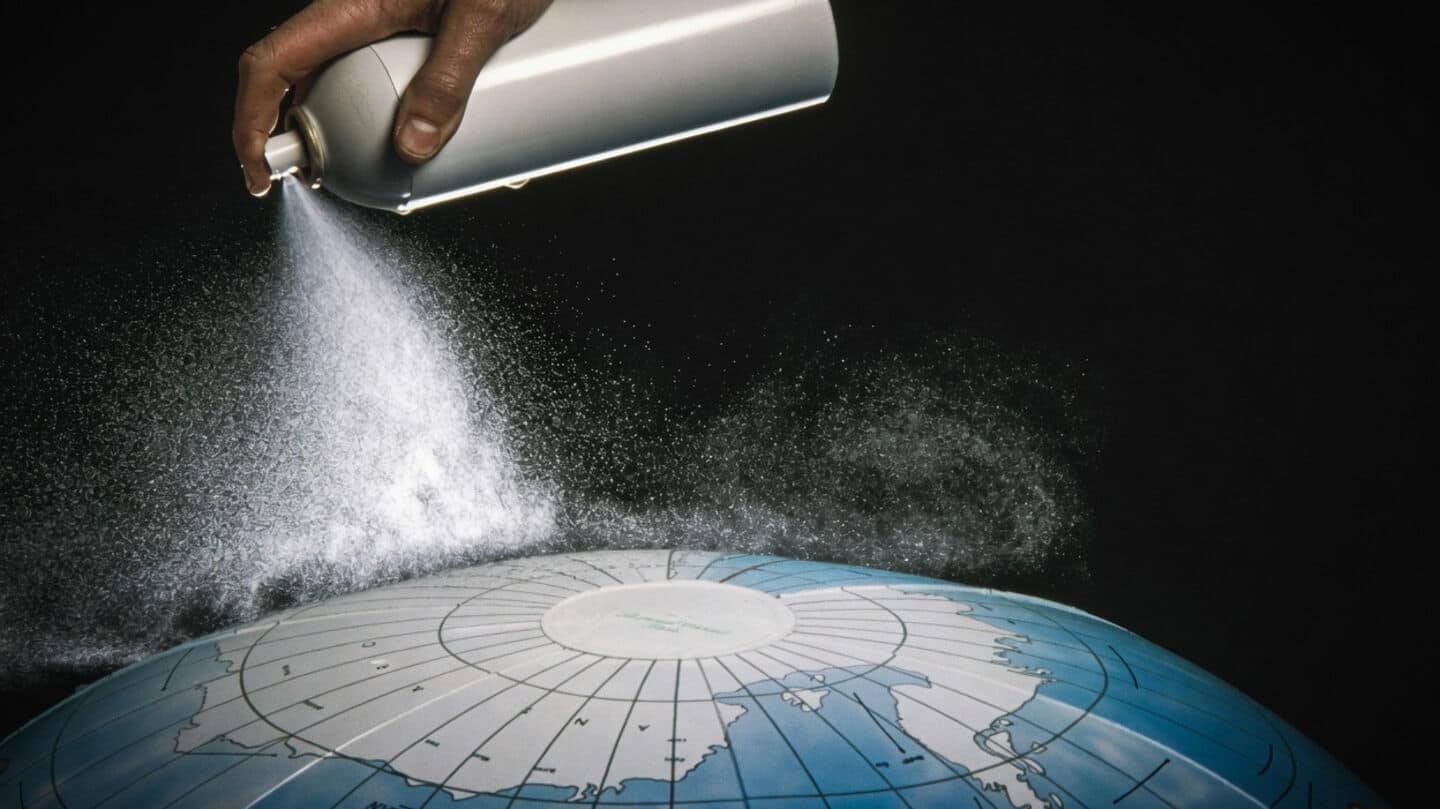
Earth's future study finds burning satellites release sunlight blocking particles
A new study just dropped in Earth's Future, and it's raising some serious questions about what happens when satellites burn up in our atmosphere.
Turns out, the particles they release can block sunlight from reaching Earth, something researchers say could have big environmental consequences as space activity ramps up.
Space industry pollution poses environmental risks
In 2020, deorbited satellites made up one-quarter of the space industry's climate impact. By 2029, that could jump to nearly one-half.
Burning satellites release metals like aluminum and lead that could threaten the ozone layer, while rocket launches are set to pump out tons of soot each year (about as much as UK passenger cars).
Professor Eloise Marais calls this "The space industry pollution is like a small-scale, unregulated geoengineering experiment that could have many unintended and serious environmental consequences," urging early action since even cooling effects might come with hidden risks.