NASA's 600kg satellite is plunging to Earth: Should we worry?
What's the story
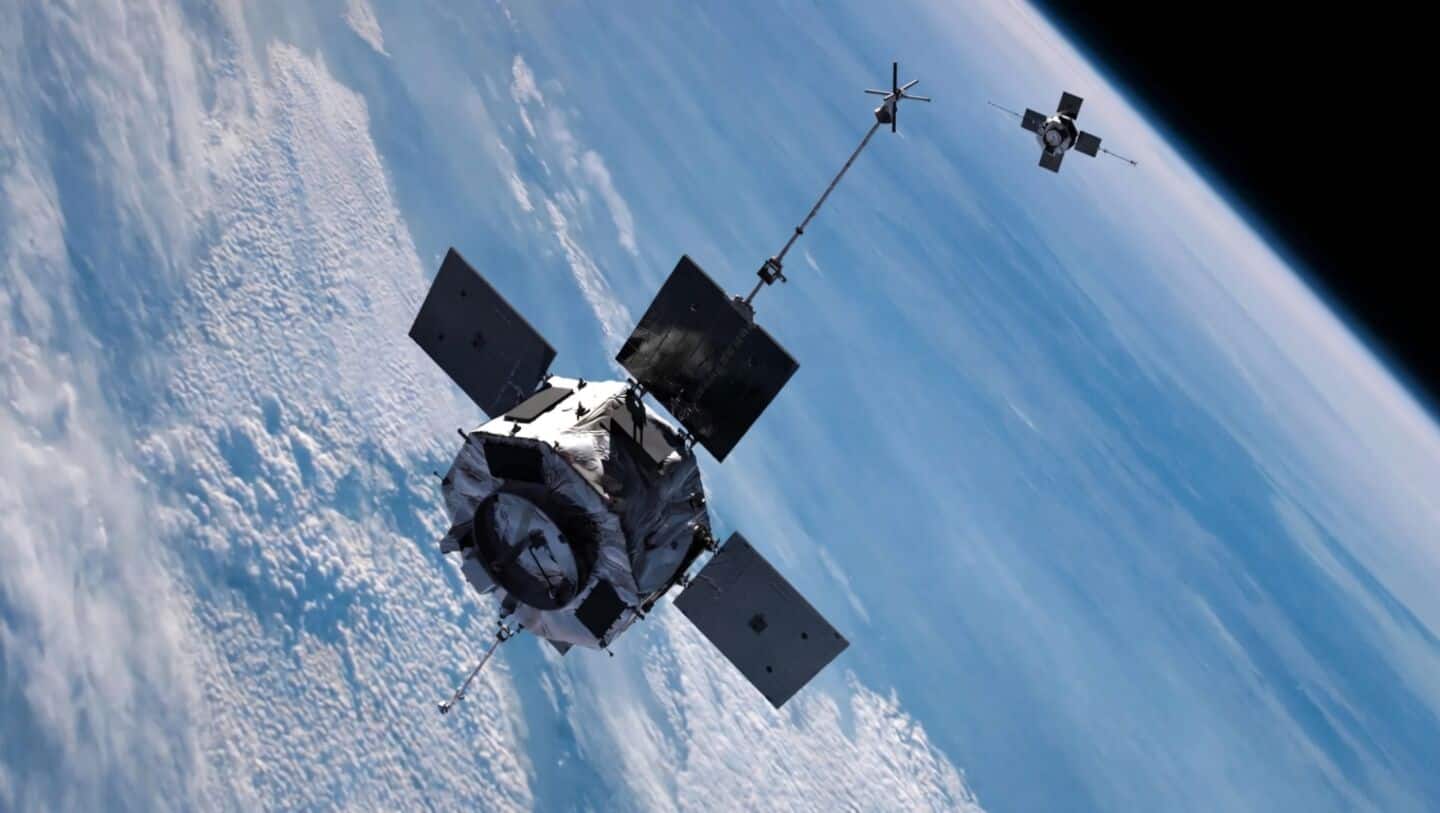
NASA's Van Allen Probe A, a 600kg satellite launched in 2012, is hurtling back to Earth after spending nearly seven years studying the planet's dangerous radiation belts. The uncontrolled re-entry is due around today. However, the US Space Force will provide a more accurate timeline as data becomes available.
Mission details
What is Van Allen Probe A
Launched in August 2012 as part of NASA's Radiation Belt Storm Probes mission, the Van Allen Probes were meant to study Earth's radiation belts.
These areas are filled with high-energy particles that can be dangerous for spacecraft and astronauts.
Probe A, which weighs 600kg, worked for nearly seven years after its two-year design life. It stopped functioning due to fuel depletion in 2019.
Re-entry acceleration
Why is it crashing now?
An active solar cycle has thickened Earth's atmosphere, accelerating the satellite's descent much earlier than the projected 2034.
The US Space Force is tracking its re-entry near March 10-11, with a 24-hour uncertainty due to orbital shifts.
NASA expects most of the spacecraft to burn up at temperatures over 1,600°C as it travels through our planet's atmosphere.
Risk evaluation
Chances of injury are very low
Despite fears of a "600kg NASA satellite crash," the odds of injury are only one in 4,200 (0.02%), according to NASA and Space Force.
This is due to factors like oceans covering 70% of Earth and low land densities.
Durable parts like the propellant tank or antennas might survive reentry, but past incidents show debris scatters harmlessly into seas with no public injuries reported.
Scientific impact
Impact on science and research
Van Allen Probe A has greatly contributed to our understanding of solar storm effects on radiation belts.
Its findings have been critical for designing radiation-resistant electronics, improving GPS reliability, and guiding missions like Artemis.
Before deactivation, orbits were lowered for burn-up, meeting debris rules.
NASA's safety waiver for Probe A's minor risk elevation underscores trust in models amid concerns over mega-satellite regulations in the Starlink era.