Nature study finds massive stars may explode leaving no remnant
A new study just dropped in Nature, and it's flipping what we thought about dying stars.
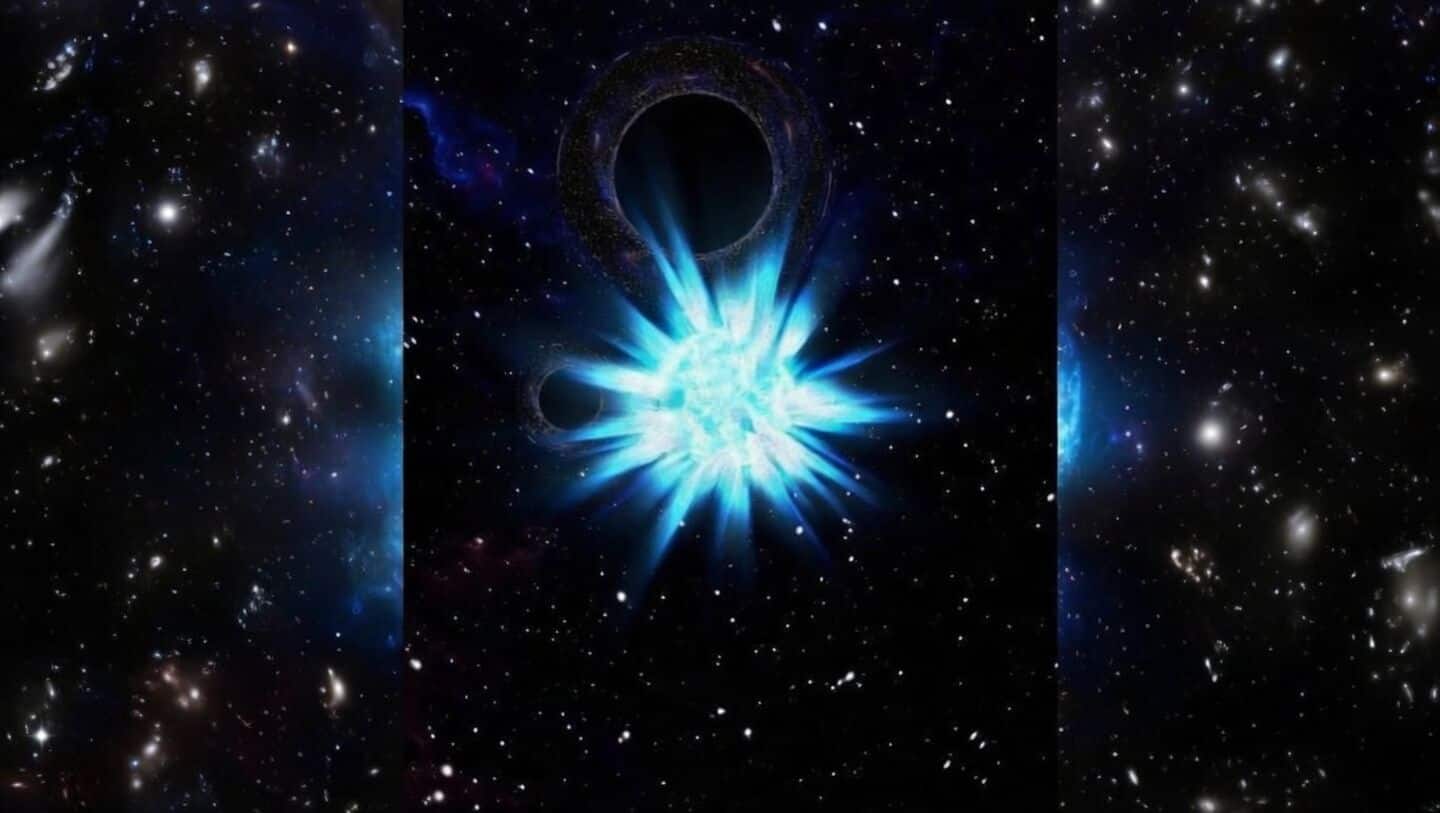
Turns out, some of the universe's biggest stars (think 140 to 260 times the mass of the sun) might go out with a bang—literally exploding in a supernova and leaving nothing behind. No black hole, no neutron star, just... gone.
Scientists figured this out by looking at data from black holes and gravitational waves.
Scientists find 44-116 solar mass gap
Researchers found there's a weird gap—a "forbidden range"—where no black holes exist in the analyzed sample between 44 and 116 solar masses.
This points to a special kind of supernova that destroys the entire star.
Astrophysicist Maya Fishbach put it simply: Above a certain mass, stars don't leave behind black holes; they explode completely.
These findings help us understand how the most massive stars end their lives and show how gravitational wave science is opening up cool new mysteries about our universe.