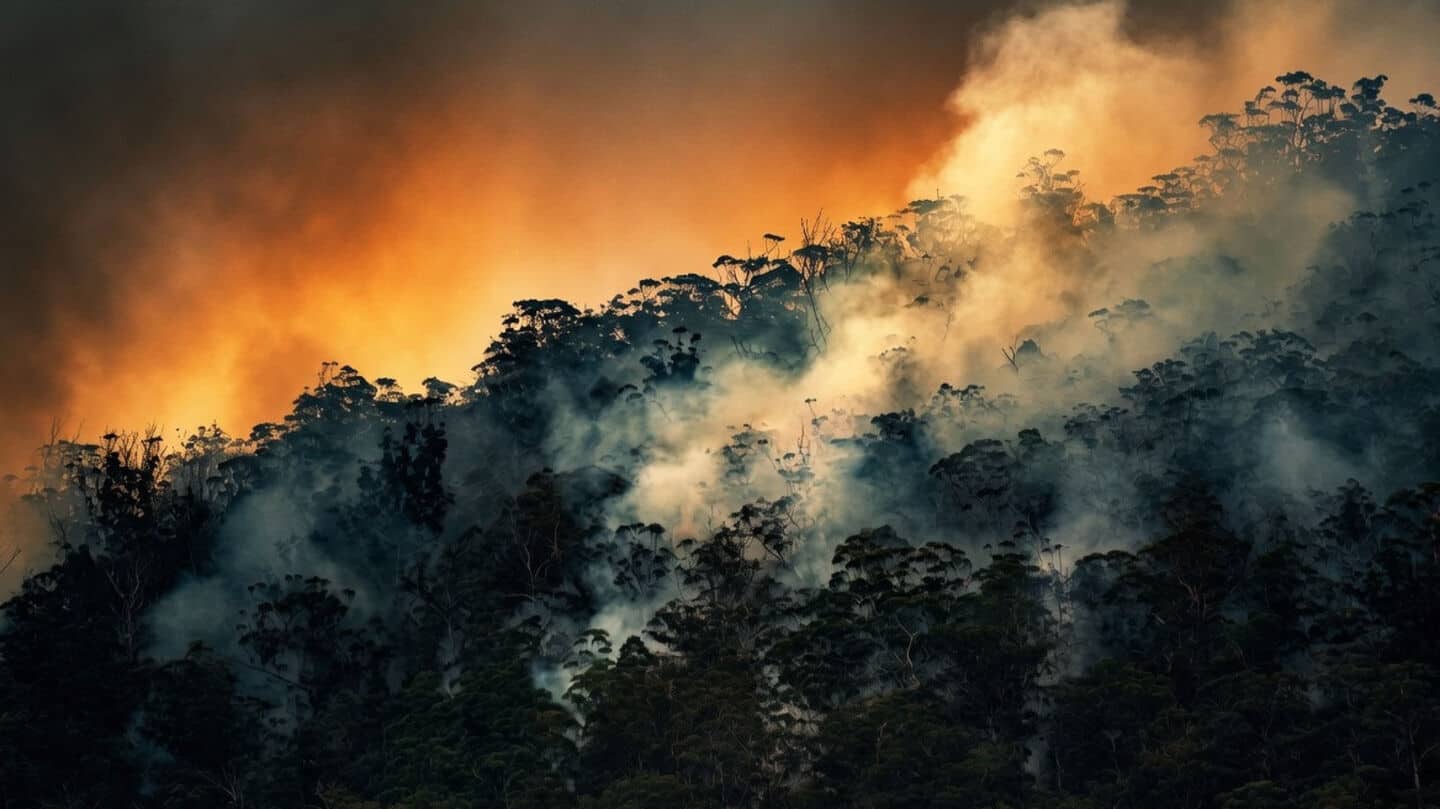
Study finds 16% vascular plant species risk extinction by 2100
A big new study says climate change might push up to 16% of vascular plant species toward extinction by the end of this century.
Researchers checked over 67,000 species of vascular plants and found that some, including California's Catalina ironwood and one-third of Australia's Eucalyptus, could lose almost all their natural habitat.
It's a pretty sobering reminder that plants we take for granted could disappear if things don't change.
Study maps plant range shifts
The study mapped how climate shifts will affect plant locations from 2081 to 2100, considering habitat conditions such as temperature, rainfall, soils, land use, and landscape features like shade.
Even if seeds spread to new spots, shrinking habitats mean many plants still face high extinction risks.
Arctic plants are losing ground as cold zones retreat, and drought-prone areas like the western US are hit by wildfires and dry soil, while tropical regions might see new plant communities thanks to extra rain.
Researchers urge protection of plant diversity
Researchers warn that fewer plants means less carbon is absorbed from the air—which could make climate change even worse.
Plants aren't just scenery: they help stabilize soils, support wildlife, and keep ecosystems running smoothly.
The message is clear: protecting plant diversity is urgent if we want healthy nature (and a livable planet) in the future.