World's first ice vault opens in Antarctica: What's it for?
What's the story
A team of European scientists has unveiled the Ice Memory Sanctuary, a unique ice vault in Antarctica. The facility is dedicated to preserving glacier ice cores for research purposes. The main aim of this one-of-a-kind initiative is to study historical climate patterns, monitor environmental changes, and safeguard glaciers that are rapidly disappearing.
Research tool
Ice cores: A window into Earth's climatic past
The Ice Memory Sanctuary houses ice cores from glaciers around the world. These samples were brought from endangered mountain glaciers to Antarctica for long-term preservation.
Each core contains trapped air bubbles, chemical records, and climate data from centuries ago. Together, they provide a unique insight into Earth's changing climate over time.
Teamwork
Collaborative effort to establish the ice-core vault
The Ice Memory Sanctuary is a result of collaboration between European researchers and polar scientists.
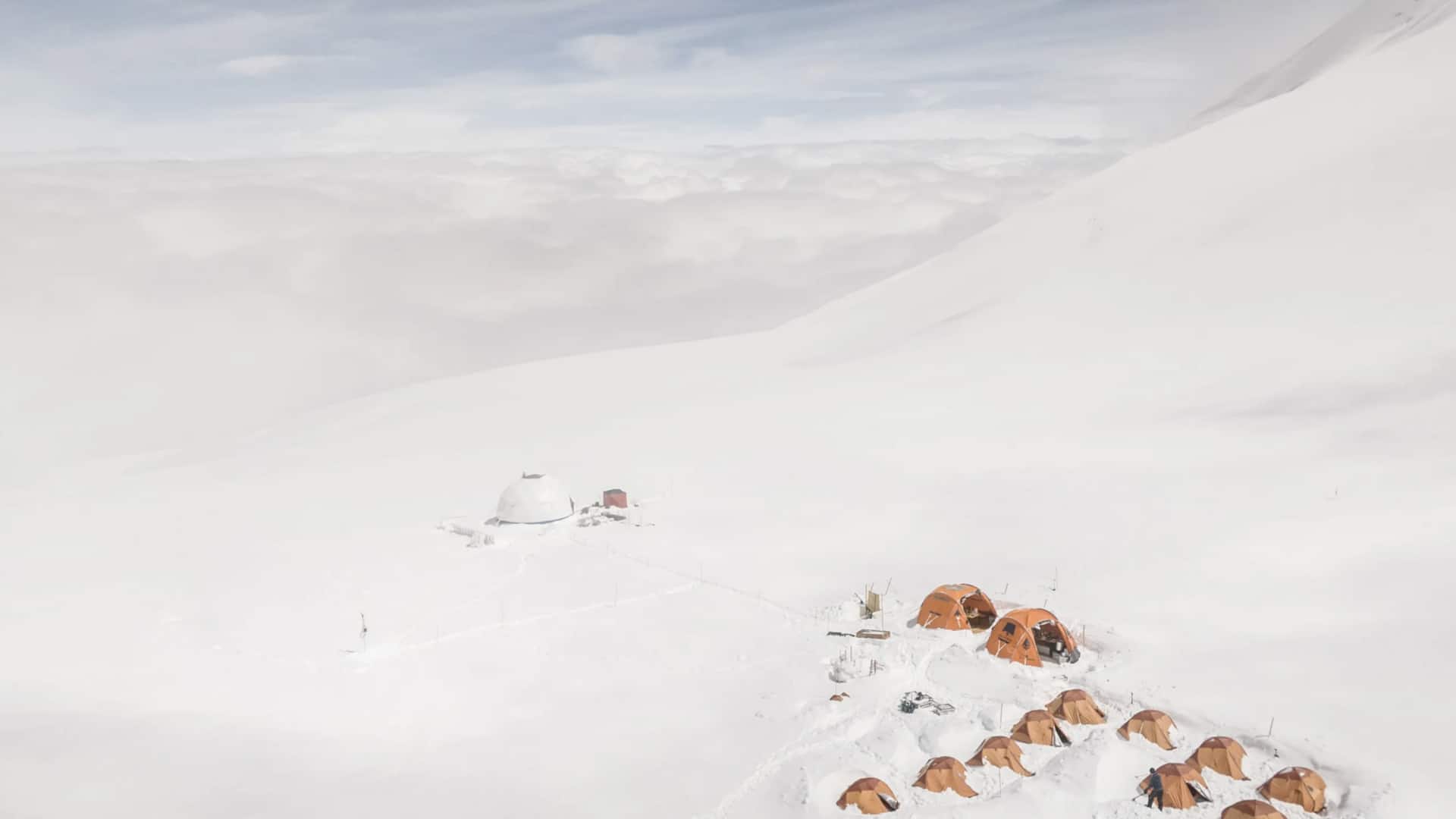
The teams worked together in the snow cave of Concordia Research Station, Antarctica, to collect, transport, and curate these ice cores.
The samples are now stored at a constant temperature of -52 degrees Celsius in this unique underground vault.
Access
Specialized tools used to access the ice-core vault
Accessing the Ice Memory Sanctuary wasn't easy, given its location deep within thick Antarctic ice.
The researchers had to use specialized drilling tools and temperature-controlled access systems to reach the preserved cores.
This careful handling ensures that the ice remains intact and uncontaminated during removal and study.
Preservation
Ice Memory Sanctuary: A time capsule for future research
The Ice Memory Sanctuary is designed to conserve ice from rapidly disappearing glaciers. It serves as a "time capsule" of climate information for future scientific research.
By storing these cores in Antarctica's stable, frozen conditions, their integrity is preserved.
This facility enables scientists to safely study ancient air, snow layers, and environmental chemicals without contamination risks.