Austria parliament passes bill banning hijabs in schools for under-14s
What's the story
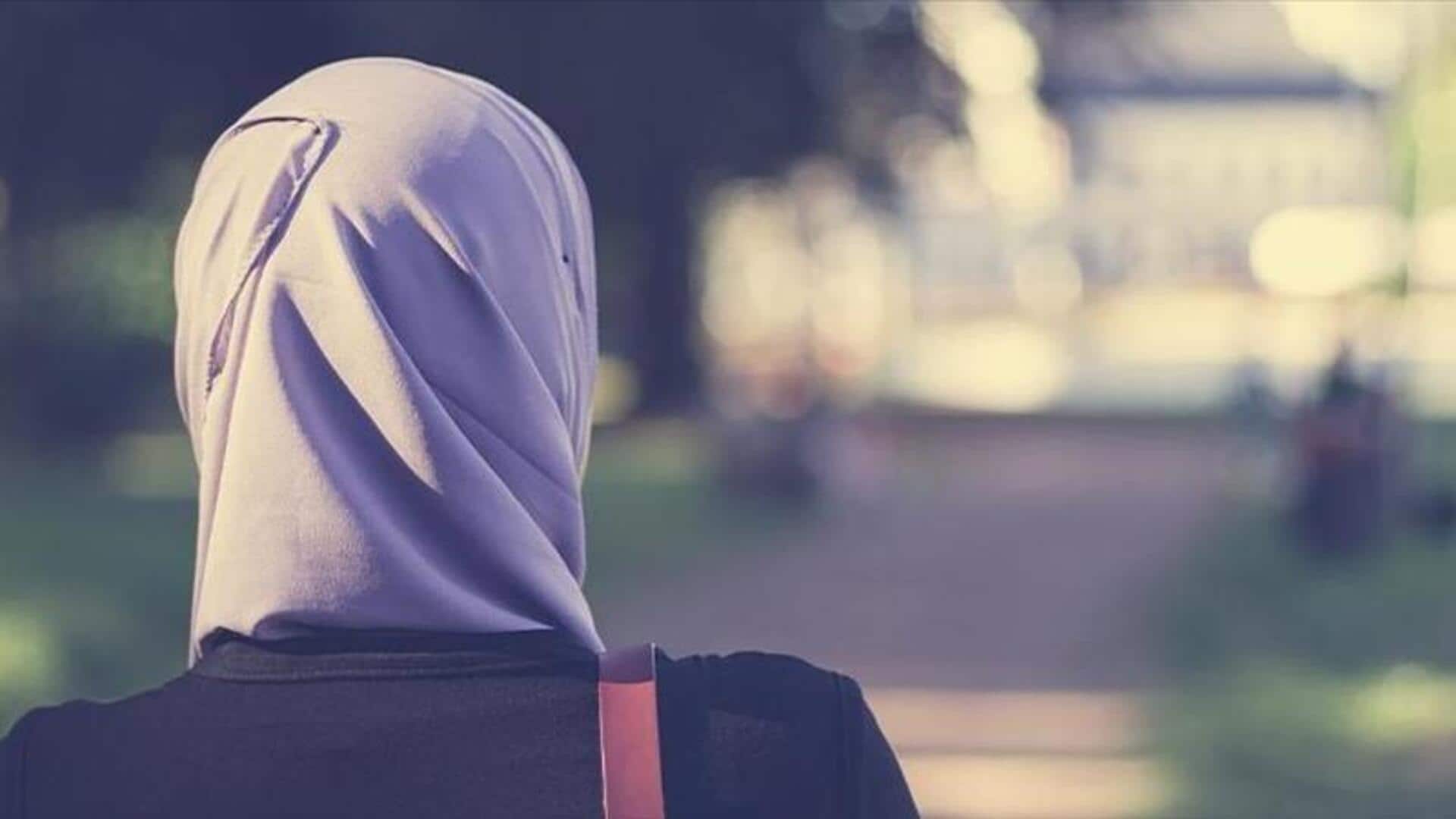
The Austrian parliament has passed a controversial law banning girls under 14 from wearing headscarves in schools. The ban, proposed by the conservative-led government, seeks to protect girls "from oppression." It applies to all forms of Islamic veils including hijabs and burqas. The law will fully come into effect with the new school year in September, after an initial period starting February for educating stakeholders about the rules.
Discontent voiced
Opposition and criticism over hijab ban in Austria
The bill was only opposed by the opposition Green Party during the parliamentary debate.
Liberal NEOS lawmaker Yannick Shetty argued that headscarves "sexualise girls," while Integration Minister Claudia Plakolm said requiring girls to hide their bodies is "not a religious ritual, but oppression."
However, rights groups like Amnesty International Austria have slammed the law as "blatant discrimination against Muslim girls" and an "expression of anti-Muslim racism."
Freedom concerns
Proposed hijab ban sparks debate on religious freedom
The draft law has also been criticized by IGGOe, which represents Austria's Muslim communities. It said the ban "jeopardizes social cohesion" and stigmatizes children instead of empowering them.
Angelika Atzinger from Amazone women's rights association said it sends girls a message about decisions being made about their bodies.
The proposed law comes after a similar move in France, where religious symbols such as headscarves were banned in schools under secularism laws.
Secular stance
Austria's hijab ban echoes France's secularism laws
Plakolm stated that the ban will go into full effect when the new school year began in September.
Beginning in February, an initial period would be launched in which the new rules would be communicated to instructors, parents, and students, with no penalties for breaking them.
However, for repeated noncompliance, parents could face fines ranging from 150 to 800 euros ($175-930).
The Austrian government estimates around 12,000 girls will be affected by this new law.