US-Iran mediators make final push for 45-day ceasefire
What's the story
The United States, Iran, and regional mediators are in talks for a possible 45-day ceasefire that could pave the way for a permanent resolution to the ongoing conflict, Axios reported, citing sources with knowledge of the talks. However, sources have indicated that the chances of reaching a partial agreement in 48 hours are slim. This effort is crucial to avoid an escalation involving large-scale attacks on Iranian civilian infrastructure and retaliatory strikes on Gulf state energy and water facilities.
Deadline extension
Trump extends Iran deadline amid ongoing negotiations
President Donald Trump had initially given Iran a 10-day deadline, which was set to end on Monday evening. However, he has now extended it by 20 hours, setting a new deadline of Tuesday at 8:00pm ET.
"There is a good chance...if they don't make a deal, I am blowing up everything over there," Trump said in an interview with Axios.
He has also threatened to destroy infrastructure vital to Iranian civilians if no deal is reached with their leaders.
Negotiation details
Mediators propose phased approach to end war
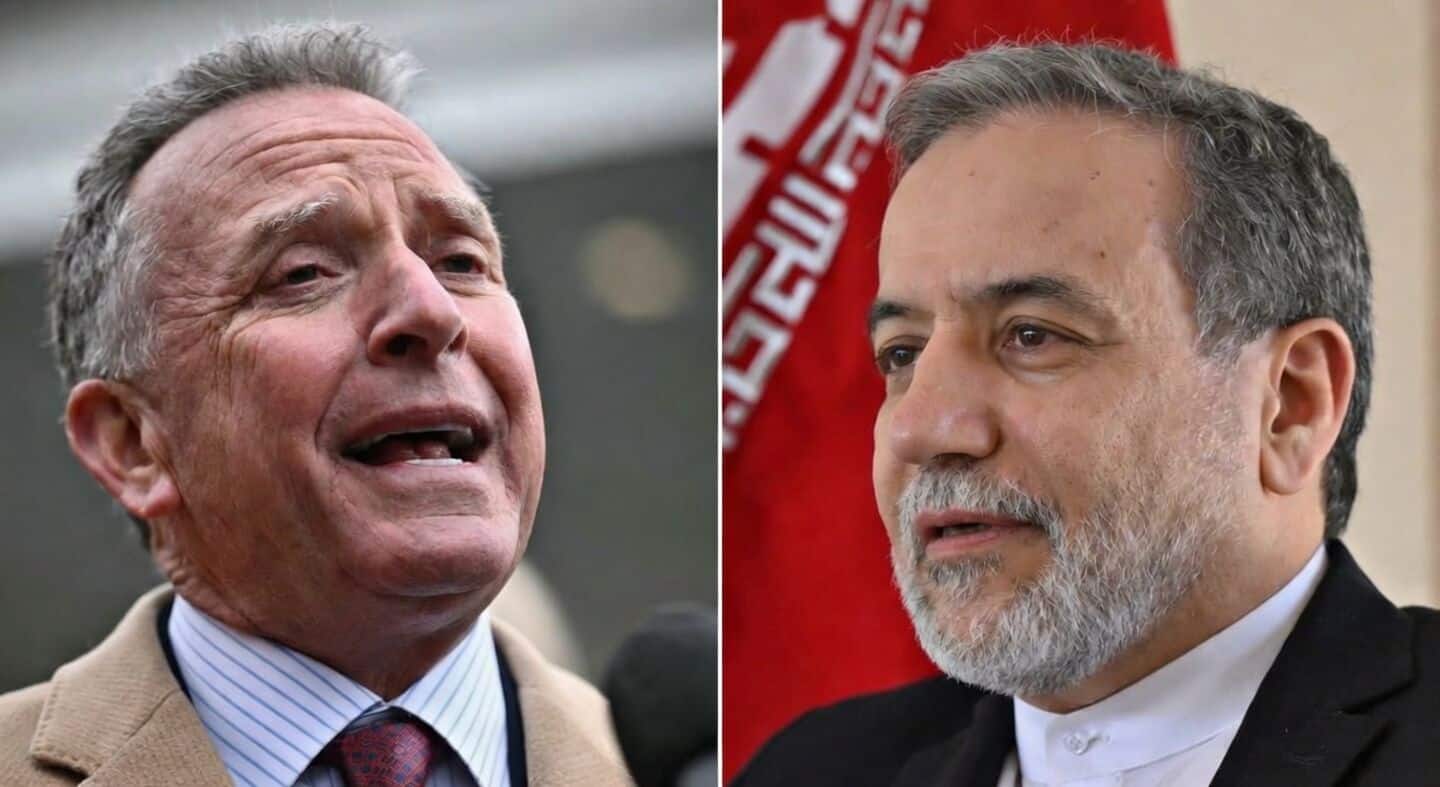
The negotiations are being mediated by Pakistan, Egypt, and Turkey. They also involve communication between Trump's envoy Steve Witkoff and Iran's Foreign Minister Abbas Araghchi.
The mediators are proposing a two-phased deal: a 45-day ceasefire followed by negotiations for a permanent end to the war.
The ceasefire could be extended if required.
The second phase would involve an agreement to permanently end hostilities.
Negotiation leverage
Key issues in negotiations
The mediators are discussing confidence-building measures related to reopening the Strait of Hormuz and addressing Iran's highly enriched uranium stockpile.
These issues are key bargaining chips for Iran, which is unlikely to agree to a 45-day ceasefire without concessions on them.
The Trump administration has reportedly made several proposals recently, but they have not yet been accepted by Iranian officials.
Retaliation fears
Concerns over potential retaliation and regional impact
Mediators are worried that Iranian retaliation to a US-Israeli strike could have catastrophic effects on Gulf countries' oil and water facilities.
They emphasized that the next 48 hours are critical for reaching an agreement to prevent widespread destruction.
However, in public, Iranian officials remain defiant and reject any concessions.
The Iranian Revolutionary Guards Corps Navy has also stated that conditions in the Strait of Hormuz will never return to pre-war levels, especially for the US and Israel.