Iran uses oil tanker to store crude amid US sanctions
What's the story
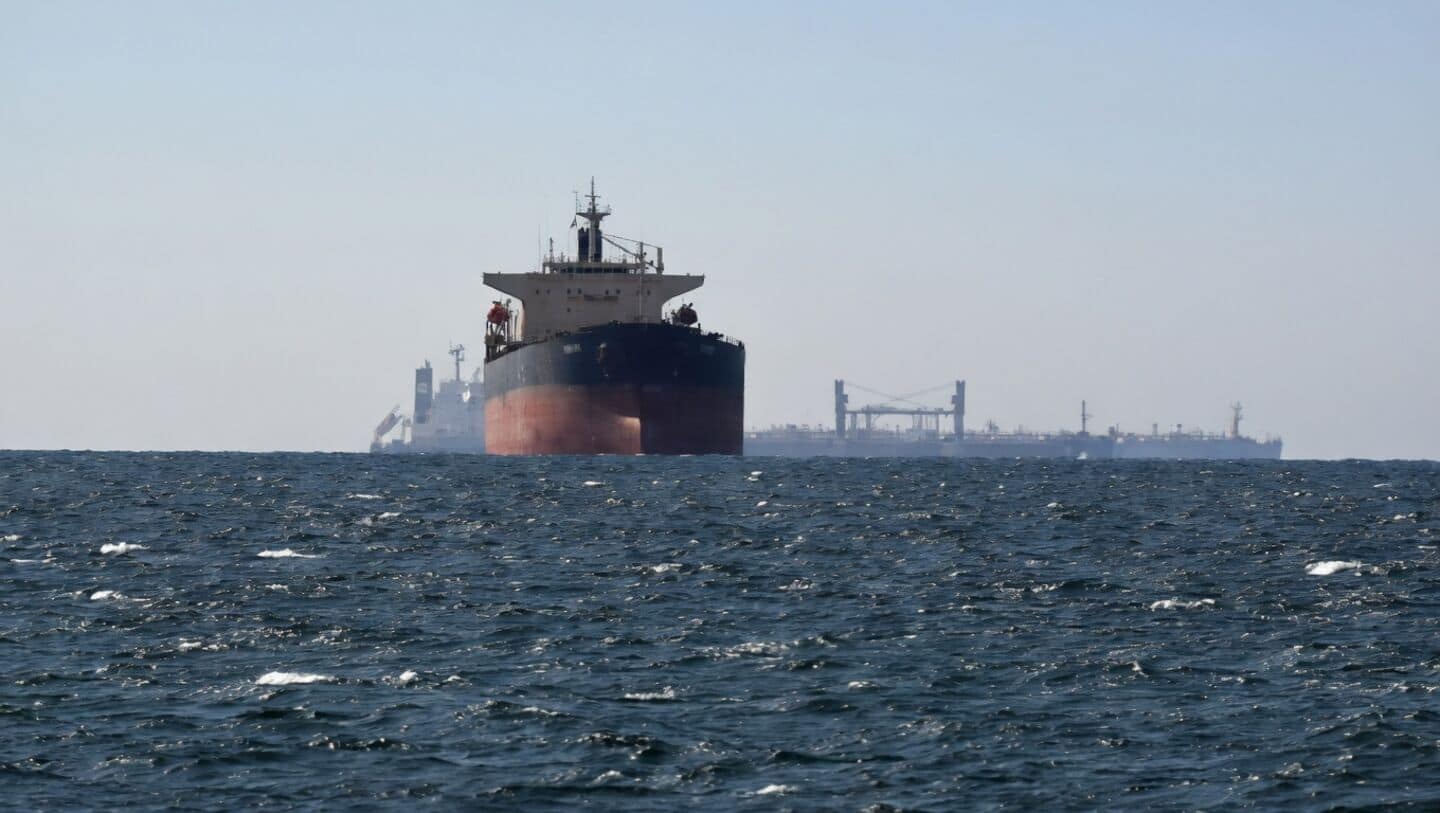
Iran has reportedly reactivated an old oil tanker, the very large crude carrier (VLCC) Nasha, to store crude oil. The move comes as onshore storage at Kharg Island nears its limit, according to Tanker Trackers. The vessel had been idle for years but is now being used to temporarily hold oil until further arrangements can be made.
Economic strain
US sanctions impact Iran's oil storage options
The United States has imposed a blockade on Iranian oil exports, significantly impacting the country's economy.
This blockade has left Iran with limited options for storing its crude oil, leading to the reactivation of the Nasha tanker.
The vessel, which is 30-years-old and has been anchored empty for the past few years, is currently on a four-day trip to store oil, which usually takes only 1.5-2 days.
Production threat
Limited onshore storage capacity for Iran
According to Investing.com, JP Morgan's Natasha Kaneva estimates that Iran has about 86 million barrels of onshore storage capacity, estimated to be about half full earlier this week.
This would allow the country to store oil for around 22 days if exports remain suspended due to the blockade.
This period can be stretched to 26 days if Iran's four VLCCs are considered.
With no storage space and no exports, Iran's oil production is at risk of being reduced or halted.
Storage debate
Discrepancy in estimates of Iran's storage capacity
However, Iran is expected to cut output 16 days into the blockade, as production slowdowns typically occur before storage limits are reached.
However, there is disagreement among experts over Iran's storage capacity.
While Kaneva estimates a 22-day storage period, energy and chemicals advisory consultancy FGE NextantECA believes Iran can maintain its current production for up to two months.
The discrepancy highlights the uncertainty surrounding Iran's oil production capabilities under the current circumstances.