Iran rejects temporary ceasefire proposal, compiles own set of demands
What's the story
Iran has rejected a proposal for a temporary ceasefire in exchange for reopening the Strait of Hormuz. The proposal was sent by Pakistan, acting as a mediator between Tehran and Washington. An unnamed Iranian official told Reuters that while Iran's leadership is considering the plan, they don't think Washington is ready for a permanent ceasefire. Tehran does not accept being pressured to meet deadlines, the official added.
Official stance
Negotiations should not be 'incompatible with ultimatums': Iran
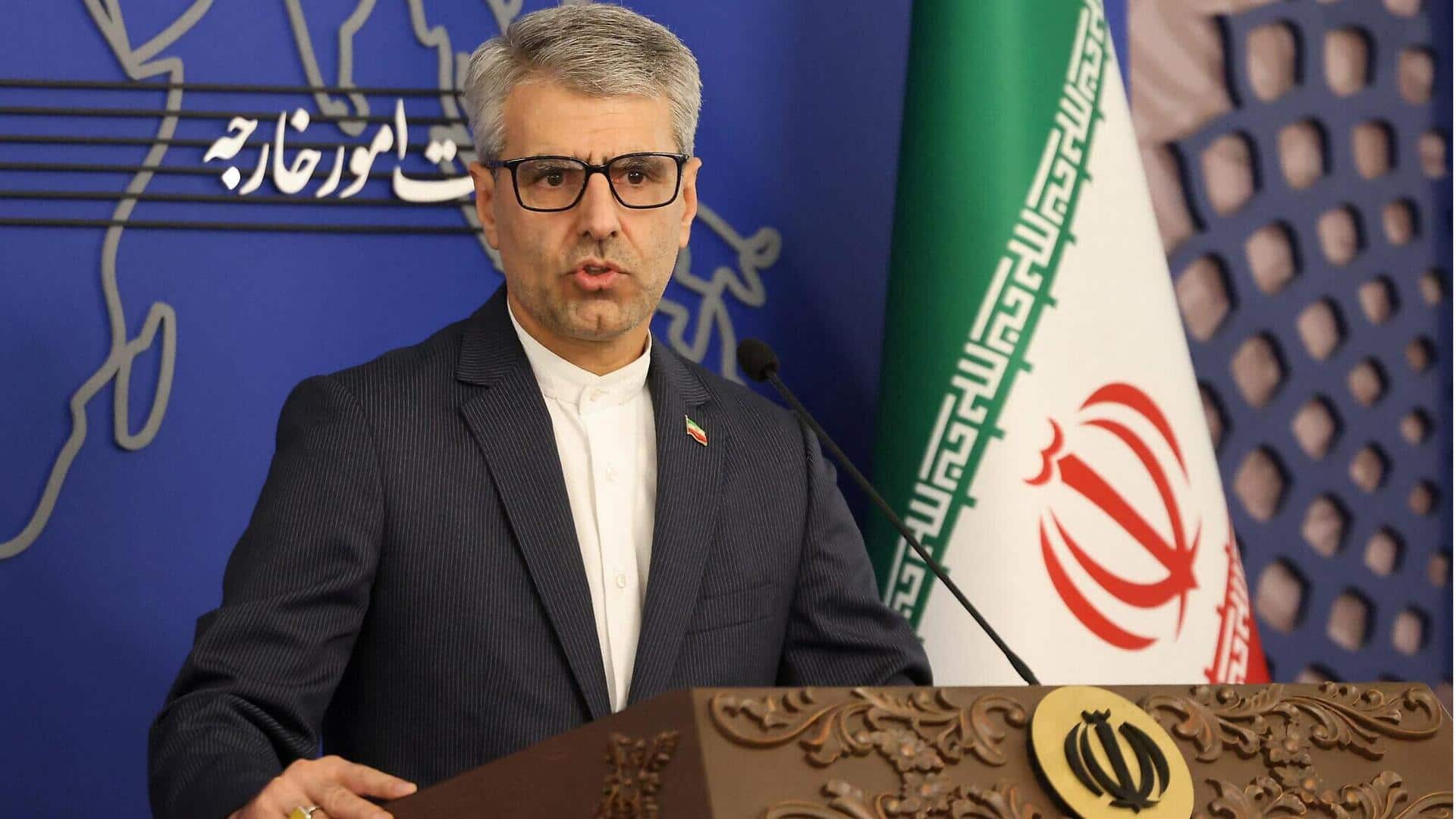
Iran's foreign ministry spokesperson, Esmaeil Baghaei, said the country has formulated its own positions and demands, adding that earlier US demands, such as the 15-point plan, were rejected for being "excessive."
Iran would release its response "in due time," he added.
"Iran does not hesitate to clearly express what it considers its legitimate demands and doing so should not be interpreted as a sign of compromise but rather as a reflection of its confidence in defending its positions," Baghaei said.
Presidential pressure
Trump gives Iran deadline to reopen Strait of Hormuz
US President Donald Trump on Sunday told Iran to "open the F***ing Strait" or face "living in hell." He had given Iran a 10-day deadline to reopen the Strait of Hormuz, which was set to expire on Monday.
He later extended this deadline to Tuesday evening ET.
A source close to ongoing diplomatic efforts told Reuters that both Iran and the US have received a two-tier proposal to end the war and potentially reopen the Strait of Hormuz.
Diplomatic efforts
Munir in contact with US-Iran officials
The source said Pakistan's army chief, Field Marshal Asim Munir, has been in contact "all night long" with Vice President JD Vance, special envoy Steve Witkoff and Iranian Foreign Minister Abbas Araqchi.
The proposal calls for an immediate truce, reopening the Strait of Hormuz, followed by 15-20 days to finalize a broader settlement.
The deal, tentatively called the "Islamabad Accord," would include a regional framework for the Strait of Hormuz, with final in-person talks in Islamabad.