Nepal holds 1st general election since violent Gen Z protests
What's the story
Nepal is holding its general election on Thursday, the first since a violent protest led by Generation Z last year. The protests had resulted in the ouster of Prime Minister K P Sharma Oli and his coalition government. Over 18.9 million eligible voters will elect a 275-member House of Representatives from among 3,406 candidates for direct voting and another 3,135 candidates for proportionate voting.
Voting process
Voting started at 7am
The voting started at 7:00am (local time) and will continue till 5:00pm.
Election Commission spokesperson Narayan Prasad Bhattarai confirmed that voting started peacefully across all regions of Nepal.
Acting Election Commissioner Ram Prasad Bhandari had earlier urged voters to participate actively in this democratic exercise.
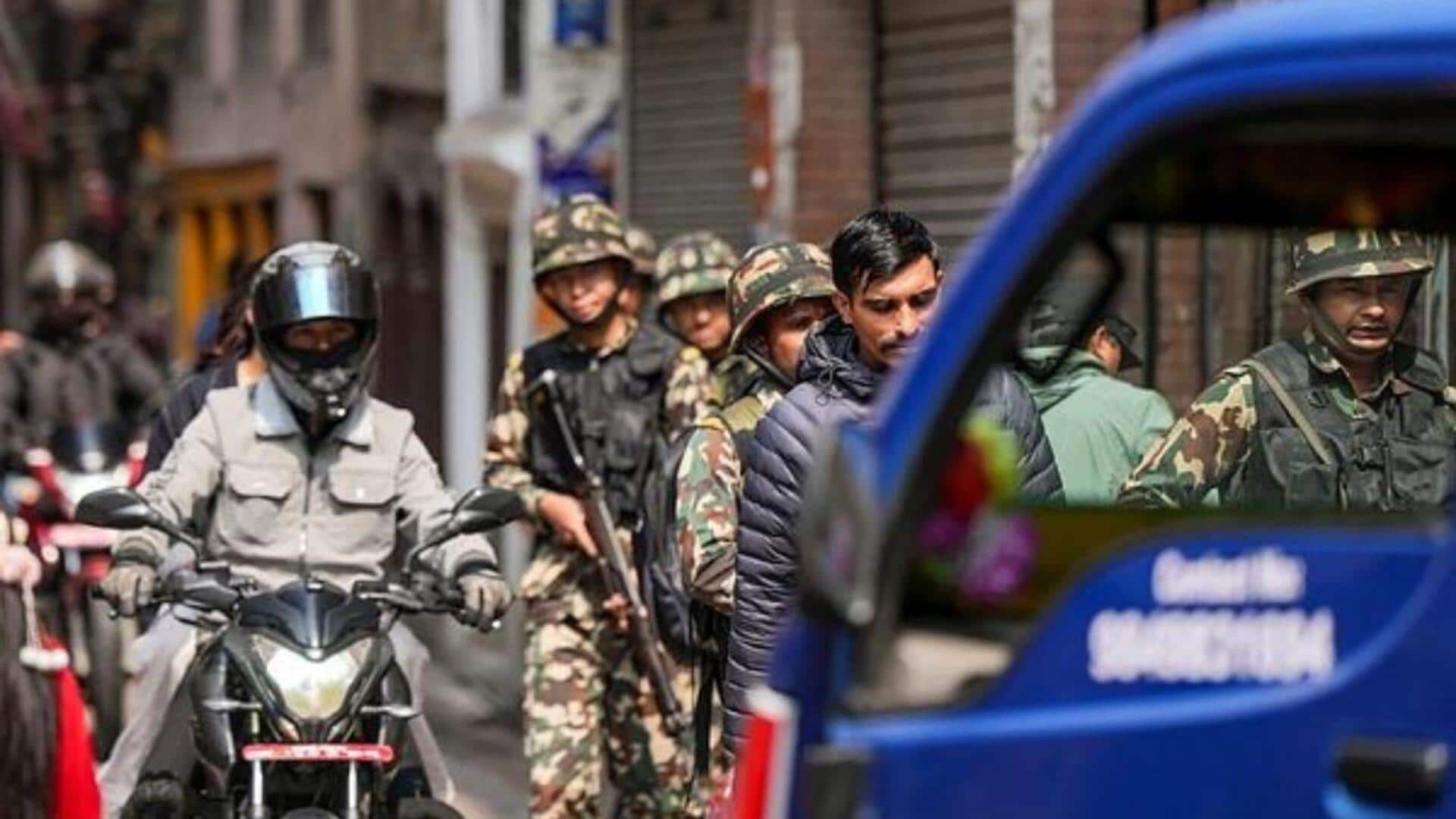
More than 300,000 security personnel have been deployed across to preserve law and order. Helicopters will transfer ballot boxes from remote locations.
Protest impact
Protests last year ousted Oli
In September 2025, protests erupted after the government blocked access to 26 social media platforms.
Nepal lifted the social media ban within days after it sparked anti-corruption protests, leaving nearly 80 dead.
The protests were a major pushback against social media restrictions but also highlighted larger issues of corruption and governance.
In the weeks leading up to the protest, a "nepo kid" campaign on social media that exposed the extravagant lives of politicians' kids and alleged corruption had taken off.
Political change
Election adds 1 million new voters
The protests last year also added about one million voters, mostly youths, to the electorate. The new voters are demanding a complete overhaul of Nepal's political system and economic reforms.
Bibas Pariyar, a 22-year-old painter from Kathmandu, said he wants new politicians who can create jobs and reform agriculture.
The election is being closely watched, as it could change Nepal's political landscape after decades of instability with 32 government changes since 1990.
Key candidate
Election a contest between old, new political parties
The election is a contest between old political parties like the Nepali Congress and Communist Party of Nepal (UML) and newer parties like the Rastriya Swatantra Party (RSP).
Balendra Shah, a former Kathmandu mayor and a prime ministerial candidate from RSP, is seen as a strong contender against Oli.
The results of direct voting are expected within 24 hours of the start of counting.
It could take another two-three days to count the results of the proportional representation vote.