Nepal withdraws controversial social media bill that sparked Gen-Z protests
What's the story
The Nepal government has withdrawn the controversial Social Media Bill 2025 from Parliament. "The government has decided to withdraw the Social Media Bill-2025 from the federal parliament," Home Minister Om Prakash Aryal said on Tuesday. The bill, which was registered in January 2025 by then-Communications and Information Minister Prithvi Subba Gurung, aimed to give the government broad powers to regulate social media sites.
Criticism faced
Bill faced backlash from digital rights activists
The Social Media Bill 2025 was widely criticized by digital rights advocates, journalists, and citizens. They feared it would curb freedom of speech online. In September 2025, protests erupted after the Oli government blocked access to 26 social media platforms, including Facebook, Instagram, WhatsApp, YouTube and X. Nepal lifted the social media ban within days after it sparked anti-corruption protests that led to clashes, leaving nearly 80 people dead.
Protest impact
Gen Z protests brought down Oli government
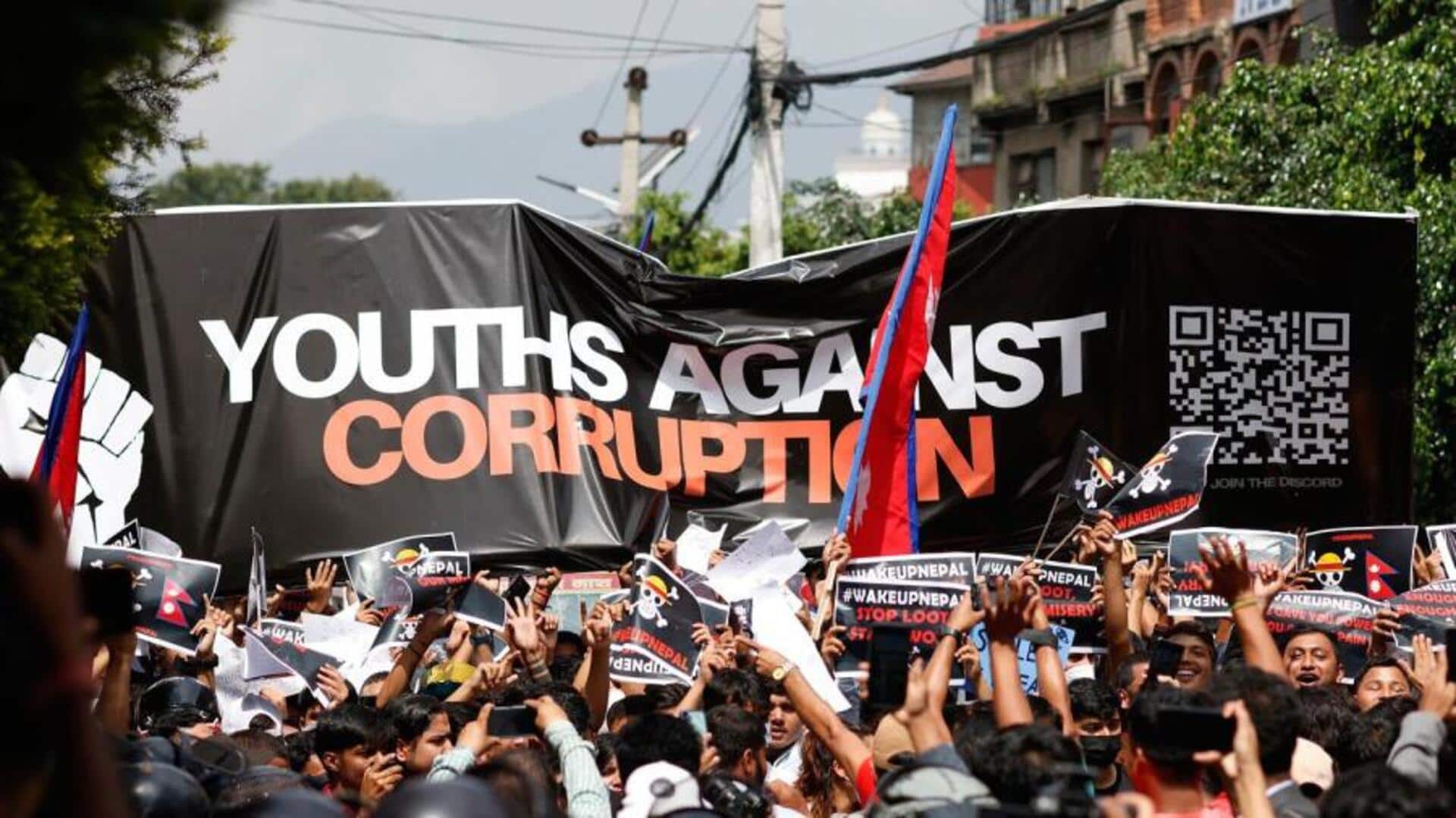
The Gen Z protests were a major pushback against the social media restrictions but also highlighted larger issues of corruption and governance. In the weeks leading up to the protest, a "nepo kid" campaign on social media that exposed the extravagant lives of politicians' kids and alleged corruption had taken off. But the government had justified its ban in the name of combating fake news, hate speech and online fraud.
Protests
Protest were against authoritarian attitude of government
Young people took to the streets to protest what they viewed as the government's authoritarianism. Many carried posters with slogans like "enough is enough" and "end to corruption." Angry mobs set fire to the prime minister's and president's offices, as well as police stations and the homes of key politicians, who were forced to evacuate by army helicopter. The army eventually intervened to restore control, and negotiations ended with the selection of Sushila Karki as head of the interim government.