Pakistan hired US lobbyists during 'Operation Sindoor': Report
What's the story
A recent amended filing under the United States Foreign Agents Registration Act (FARA) has brought to light a major lobbying campaign by Pakistan. The campaign was initiated by BGR Government Affairs LLC on behalf of the Pakistan Embassy in Washington, DC after a terror attack in Kashmir on April 22. The FARA filing reveals extensive efforts, including hundreds of emails, calls, and meetings with US lawmakers about US-India relations.
Timing
'Operation Sindoor' and its significance
The lobbying efforts came on the heels of India's "Operation Sindoor," which was launched after a terror attack in Pahalgam, Kashmir. The attack killed 26 civilians, including 25 Indians and one Nepali citizen. The operation targeted terror infrastructure in Pakistan and Pakistan-occupied Jammu and Kashmir (PoJK). India was successful in neutralizing over 100 terrorists.
Disclosure
FARA filing details Pakistan's lobbying efforts
The FARA filing details Pakistan's lobbying activities, including outreach to policymakers and meetings with lawmakers. It also includes strategic guidance on advocacy and public affairs. The filings show that after India launched "Operation Sindoor" on May 6, representatives linked to Pakistan began a concentrated outreach effort across Washington's political and defense establishment.
Outreach
Outreach to key US lawmakers and officials
The FARA filings list contacts with key figures such as House Foreign Affairs Committee Chairman Brian Mast, Senate Majority Leader John Thune, House Minority Leader Hakeem Jeffries, and House Majority Leader Steve Scalise. They also mention outreach involving officials connected to the Department of Treasury, and Senate Armed Services Committee-linked personnel. A May 7 entry mentions a call involving Mast regarding "tensions in the region."
Information
Informational material disseminated through online publications
The FARA filings also reveal that Pakistan's lobbying efforts included the dissemination of informational material through online news publications, websites, and executive summaries directed at lawmakers and government officials. The disclosures have drawn attention as they contradict Islamabad's public narrative about the ceasefire process.
Expansion
Defense, finance and strategic policy circles involved in lobbying
The FARA filings show that Pakistan's lobbying efforts extended beyond traditional diplomacy into defense, finance, and strategic policy circles. Multiple entries were referring to "Military, security, international affairs" discussions involving defense fellows and congressional defense advisers. The disclosures also show repeated references to Financial Action Task Force-related outreach and Treasury Department communications.
Contradiction
India refutes claim of seeking US mediation during conflict
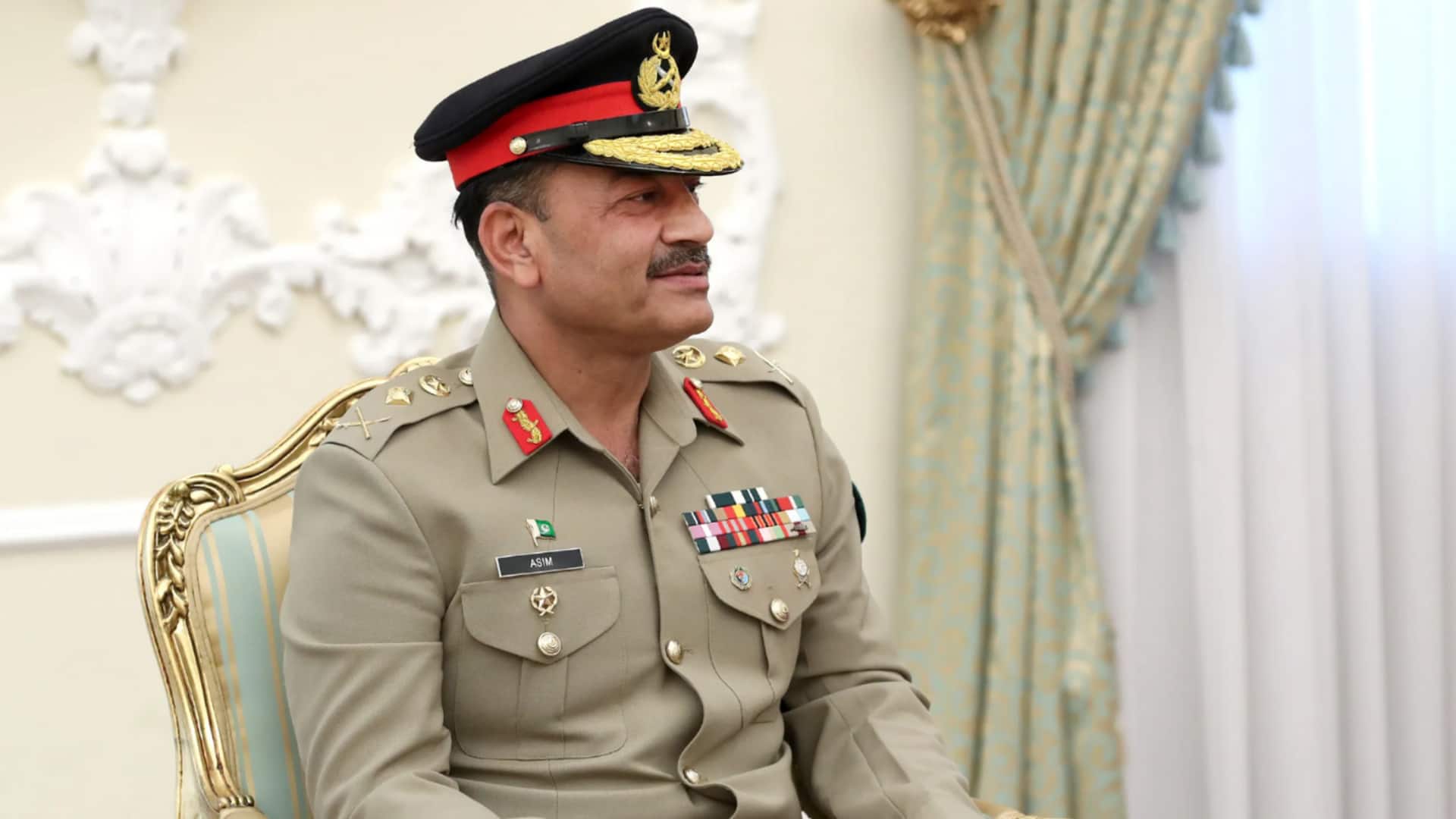
Pakistan Army chief General Asim Munir had recently claimed that India sought US mediation for a ceasefire during the conflict. However, Indian officials have maintained that hostilities ceased after direct communication from Pakistan's Director General of Military Operations to his Indian counterpart. The Government of India has clarified that while the "88-hour" kinetic phase ended, "Operation Sindoor" continues as part of India's evolving counter-terror doctrine.