US revokes residency of Soleimani's relative for alleged anti-American views
What's the story
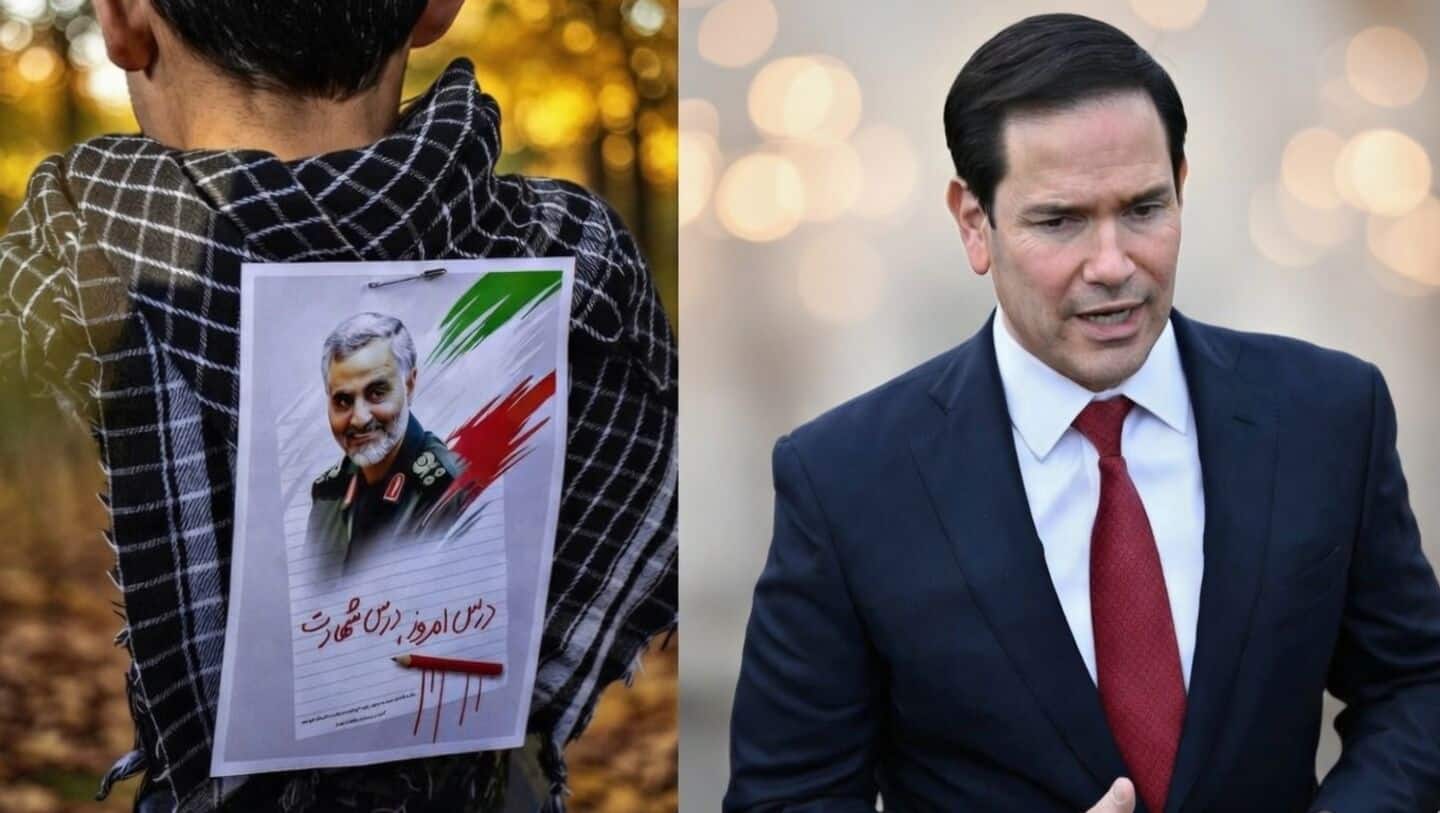
The United States has revoked the permanent residency of Hamideh Soleimani Afshar and her daughter, a relative of slain Iranian commander Qassem Soleimani. Secretary of State Marco Rubio announced the decision, citing Afshar's alleged support for Iran's government. The US Department of State said that Afshar celebrated attacks against American soldiers and military facilities in the Middle East and promoted Iranian regime propaganda while living in Los Angeles.
Family ban
Iran's response to the US decision
In addition to revoking their residency, the US has also barred Afshar's husband from entering the country.
The decision comes amid heightened tensions between the United States, Israel, and Iran.
Iranian media reported that Soleimani's daughter, Zeinab Soleimani, rejected these claims and said the detained individuals had no connection whatsoever to the Quds Force chief.
Detention details
Legal and ethical implications of the case
US Immigration and Customs Enforcement (ICE) is currently processing Afshar and her daughter for removal from the country.
The case has raised questions about free speech protections and whether individuals can face punitive action based on alleged political views or family ties.
This decision comes amid a broader trend of US authorities taking similar actions against individuals said to be related to senior Iranian officials.
Policy statement
Broader trend in US immigration policy
The US Department of State reiterated that the "Trump Administration will not allow our country to become a home for foreign nationals who support anti-American terrorist regimes."
The decision to revoke Afshar's residency status is part of a broader trend of US authorities taking similar actions against individuals said to be related to senior Iranian officials.