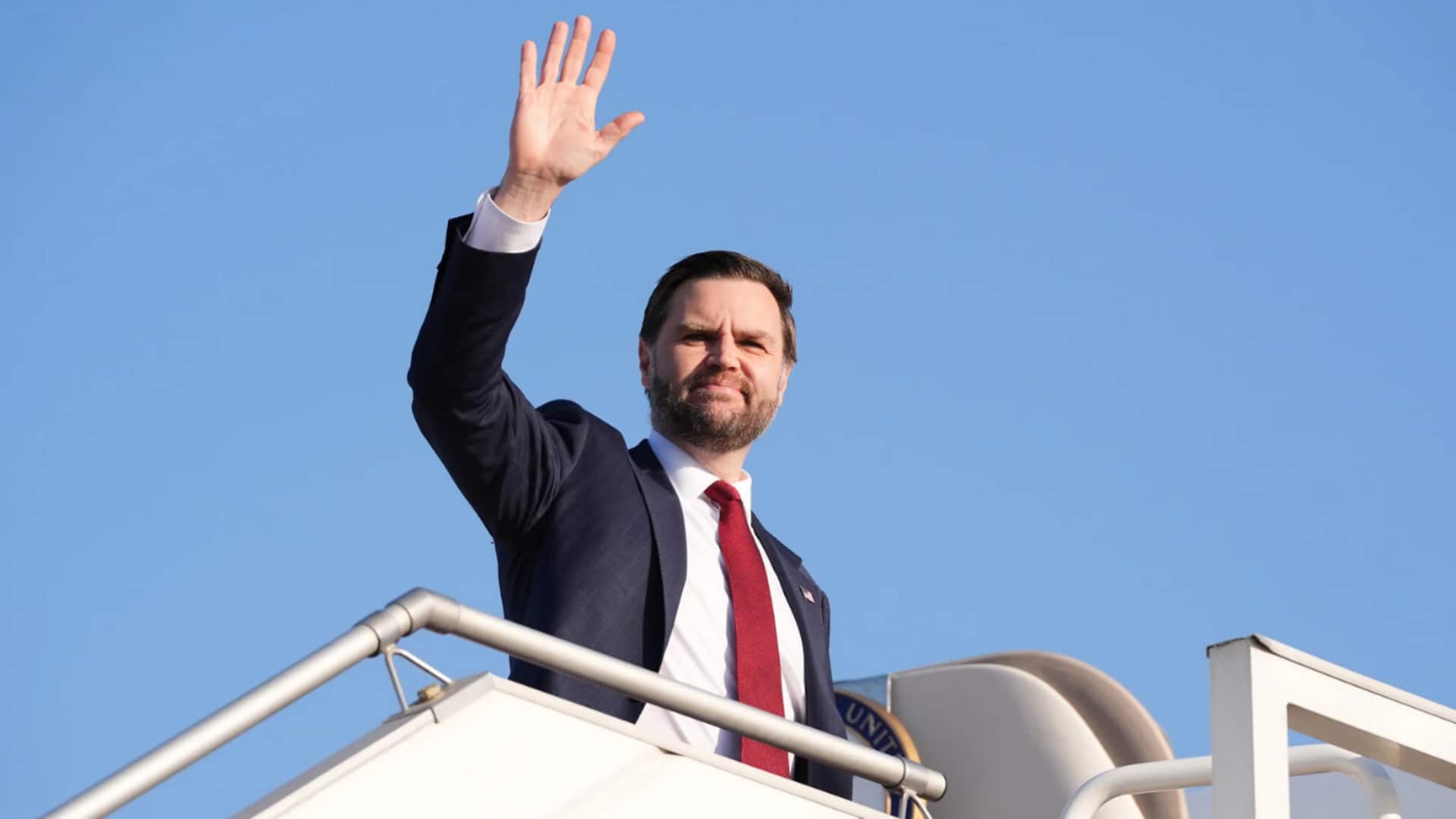
Vance, US delegation leave Pakistan after failed agreement with Iran
What's the story
A United States delegation, headed by Vice President JD Vance, has left Islamabad without reaching an agreement with Iran. The talks, which lasted for 21 hours, were aimed at addressing key issues such as nuclear weapons development and regional security concerns. However, both sides failed to reach a consensus on these critical matters.
Stalemate explained
Iran refused to accept American terms: Vance
Vice President Vance said Iran had refused to accept American terms, particularly on not building nuclear weapons.
"The bad news is that we have not reached an agreement, and I think that's bad news for Iran much more than it's bad news for the United States of America," he said.
He emphasized the need for an affirmative commitment from Iran against seeking nuclear weapons or related tools.
Negotiation breakdown
'Excessive' US demands prevented agreement: Iran's Tasnim news agency
Iran's semi-official Tasnim news agency reported that "excessive" US demands had prevented an agreement.
However, before Vance's statement, Iran had said talks would continue with technical experts exchanging documents.
The Islamabad talks were the first direct US-Iranian meeting in over a decade and the highest-level discussions since the 1979 Islamic Revolution.
Strategic discussions
Talks could impact reopening of Strait of Hormuz
The talks were crucial as they could impact a fragile two-week ceasefire and the reopening of the Strait of Hormuz, a key global energy supply route that accounts for 20% of global energy supplies, blocked by Iran since the war began.
The conflict has led to soaring global oil prices and widespread casualties.
Military preparations
US military setting conditions to clear strait
As talks started, the US military said it was "setting the conditions" to start clearing the Strait of Hormuz.
Two US warships had passed through the strait, but Iran's state media denied any transits.
A senior Iranian source had earlier told Reuters that the US agreed to release frozen assets in Qatar and other banks, a claim denied by a US official.