China bans hidden door handles in cars amid safety concerns
What's the story
China has become the first country to ban hidden door handles on electric vehicles (EVs). The decision comes amid global scrutiny of EVs after a series of deadly incidents. Two fatal crashes in China involving Xiaomi EVs are suspected to have been caused by power failures that prevented doors from being opened.
Regulatory changes
New regulations mandate mechanical release on both inside, outside doors
The new regulations, set to take effect on January 1, 2027, mandate that all cars must have a mechanical release on both the inside and outside of their doors.
The Ministry of Industry and Information Technology has also specified design requirements for passenger doors.
Each door must have a recessed space measuring at least 6cm by 2cm by 2.5cm to allow access to the handle from outside.
Design updates
Cars already approved will get extension
The new rules also require interior signage in cars, measuring at least 1cm by 0.7cm, to show how to open the door.
Cars already approved by authorities and in their final stages of entering the Chinese market will have two more years to update their designs.
The changes mainly target China's new energy vehicle (NEV) market where hidden handles are popular in about 60% of top-selling models.
Worldwide impact
US, Europe looking into similar regulations
China's decision to ban hidden door handles could have far-reaching effects on the global car industry, given its major role in the sector.
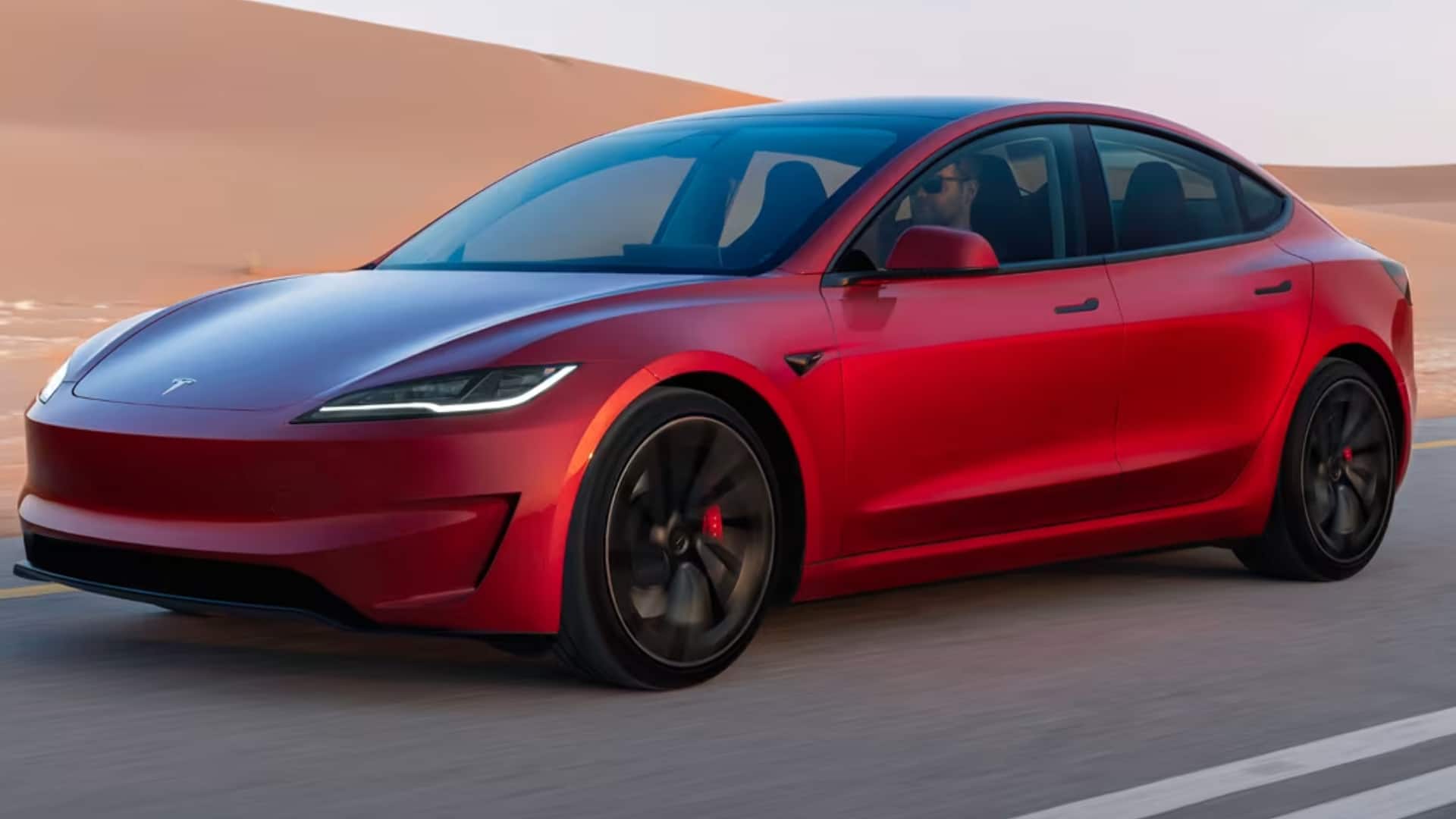
Tesla's door handles are already under investigation by US safety regulators, while European authorities are also looking into similar regulations.
In November, the US National Highway Traffic Safety Administration (NHTSA) launched an investigation into Tesla's electric-powered door handles after reports of them malfunctioning and trapping children inside cars.