Delhi EV policy: Mass-market hybrids could get cheaper by ₹1.5L
What's the story
The draft Delhi Electric Vehicle (EV) Policy 2026 has proposed a major tax relief for buyers of strong hybrid passenger vehicles priced up to ₹30 lakh. If implemented, the new policy could bring down the on-road prices of models from Maruti Suzuki, Toyota, and Honda by as much as ₹1.45 lakh. The move is part of the Delhi government's efforts to promote electric vehicle (EV) adoption in the national capital.
Tax details
Current taxation on hybrid vehicles
Currently, buyers of hybrids in Delhi don't get any tax benefits.
The government charges a road tax of 10% on the ex-showroom price of cars costing over ₹10 lakh, treating hybrids at par with petrol models. A uniform registration charge of ₹600 is also levied on all buyers.
All this makes owning a hybrid car more expensive than it could be under the proposed policy.
Policy benefits
Proposed tax benefits for strong hybrids
The draft Delhi EV Policy 2026 proposes a 50% cut in road tax and registration charges for strong hybrids costing up to ₹30 lakh (ex-showroom).
This would significantly reduce the upfront cost of ownership for these vehicles.
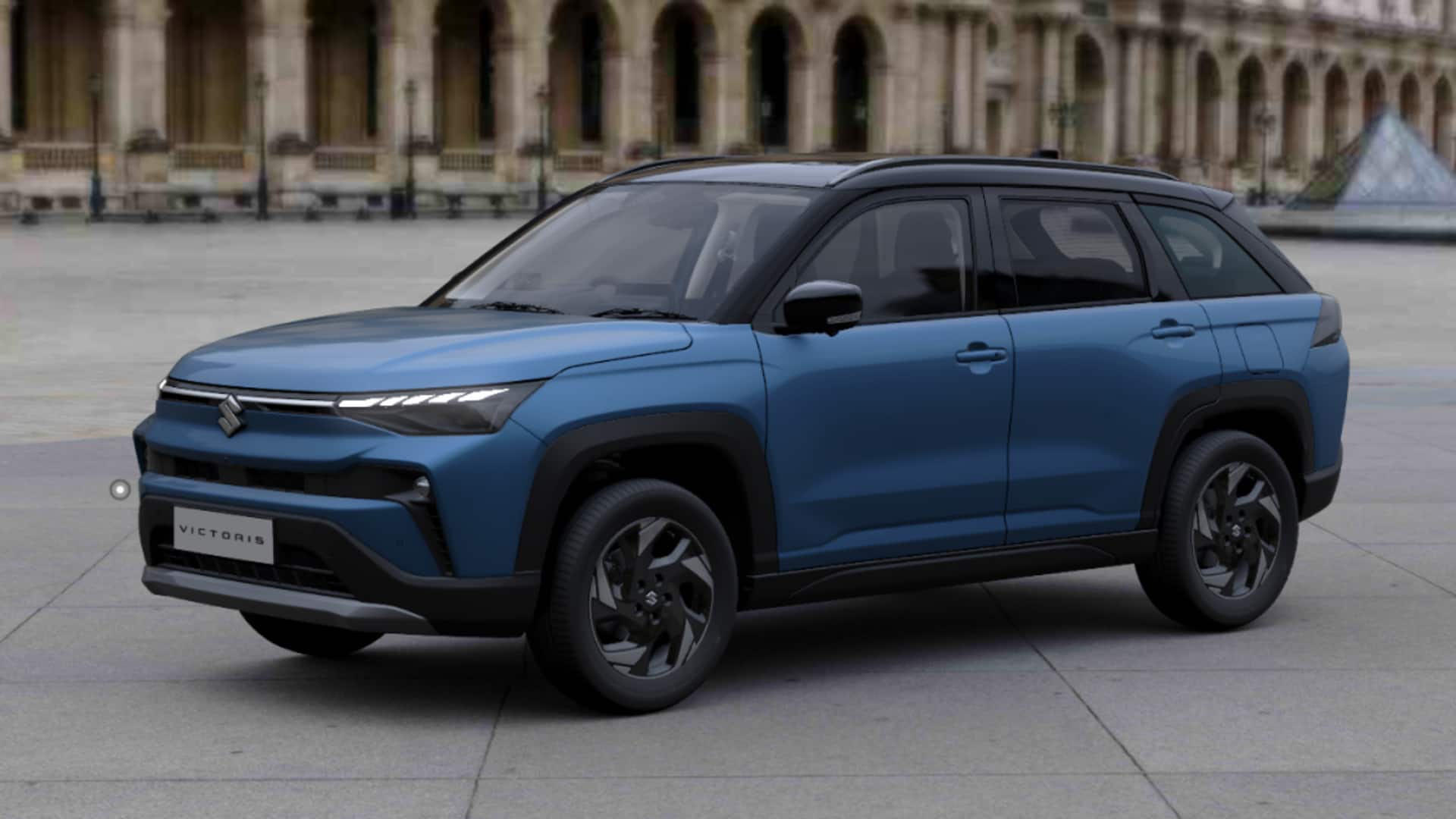
The policy is expected to directly benefit several mass-market hybrid cars including Maruti Suzuki'sVictoris SUV, Grand Vitara SUV, Invicto MPV as well as Toyota's Urban Cruiser Hyryder SUV and Innova Hycross MPV.
Savings breakdown
Estimated savings for popular mass-market hybrids
The estimated savings from the proposed policy are as follows: Maruti Suzuki Victoris (₹81,895-₹99,945), Grand Vitara (₹83,165-₹98,620), Invicto (up to ₹1.44 lakh); Toyota Urban Cruiser Hyryder (₹83,850-₹1.01 lakh), Innova Hycross (up to ₹1.45 lakh); and Honda City e:HEV sedan (up to ₹99,995).
The bulk of these savings come from a 50% cut in road tax with only a small additional benefit from the registration charge.
Market impact
Price gap with conventional petrol models
The proposed policy will narrow the price gap between hybrids and conventional petrol models, particularly in the ₹15 lakh-₹30 lakh segment where most of these vehicles sit.
However, it still favors EVs more strongly by offering a 100% exemption on road tax and registration charges for electric cars priced up to ₹30 lakh (ex-showroom).
This gives EVs a clear cost advantage over hybrids.
Implementation timeline
Policy draft open for stakeholder feedback
The Delhi government released the policy draft on April 11, inviting stakeholder feedback within 30 days.
The policy will come into effect after final notification and remain valid till March 31, 2030.
Apart from PVs, it also promotes electrification in high-usage segments such as two-wheelers, three-wheelers and commercial vehicles through direct purchase incentives and mandates.