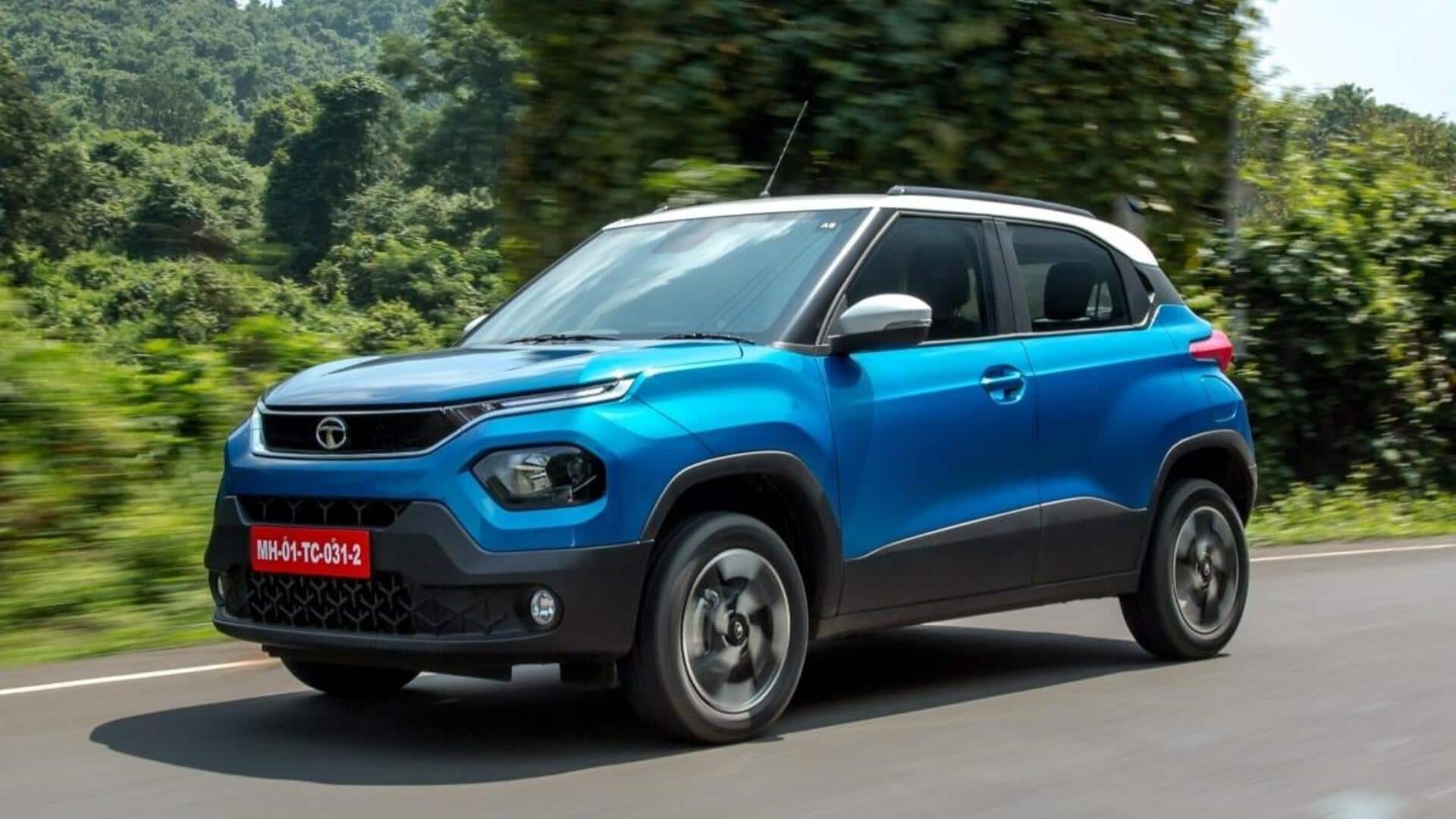
Buying an entry-level petrol car will soon cost you more
What's the story
India is gearing up to implement stricter Corporate Average Fuel Efficiency (CAFE) III standards, a move that could reshape the country's automotive landscape. The new guidelines are expected to impose tougher fuel efficiency targets on large automakers, and the removal of exemption for small cars suggests that smaller automakers may face stricter requirements as well. A price hike seems imminent.
Goal
CAFE III guidelines push for better fuel efficiency
The CAFE III guidelines are designed to push automakers toward better fuel efficiency.
A senior official told the Economic Times that the slope value for CAFE III is likely to be reduced from 0.002 in the existing draft to 0.00153 in its final version.
This slope indicates how much additional carbon dioxide (CO2) a manufacturer can emit for every kilogram of vehicle weight, making it more stringent for heavier vehicles.
Impact
Regulators ensure emissions standards remain stringent
By reducing the slope value, regulators are ensuring that as cars get heavier (due to safety equipment and batteries), the emissions standards remain stringent enough to meet climate targets.
This change is likely to push manufacturers of larger vehicles toward more electrification or hybridization.
The move comes after two official drafts of CAFE III, with the latest changes made in September 2025.
Approval process
Final norms were expected by end of February
The latest changes to the CAFE III guidelines will now be sent to the Prime Minister's Office (PMO) for approval.
An automobile industry representative said, "Broadly they have removed category specific exemption for small cars and flattened the slope, like in some countries."
The final norms were expected by February-end but may take longer now.
Price impact
Entry-level petrol cars likely to see price hike
The removal of exemptions for small cars under CAFE III is likely to hike the prices of entry-level petrol cars.
Industry observers say automakers will have to bring more expensive fuel-saving technologies to comply with the new standards or face penalties.
This could significantly affect the pricing and features of smaller vehicles in India's automotive market.