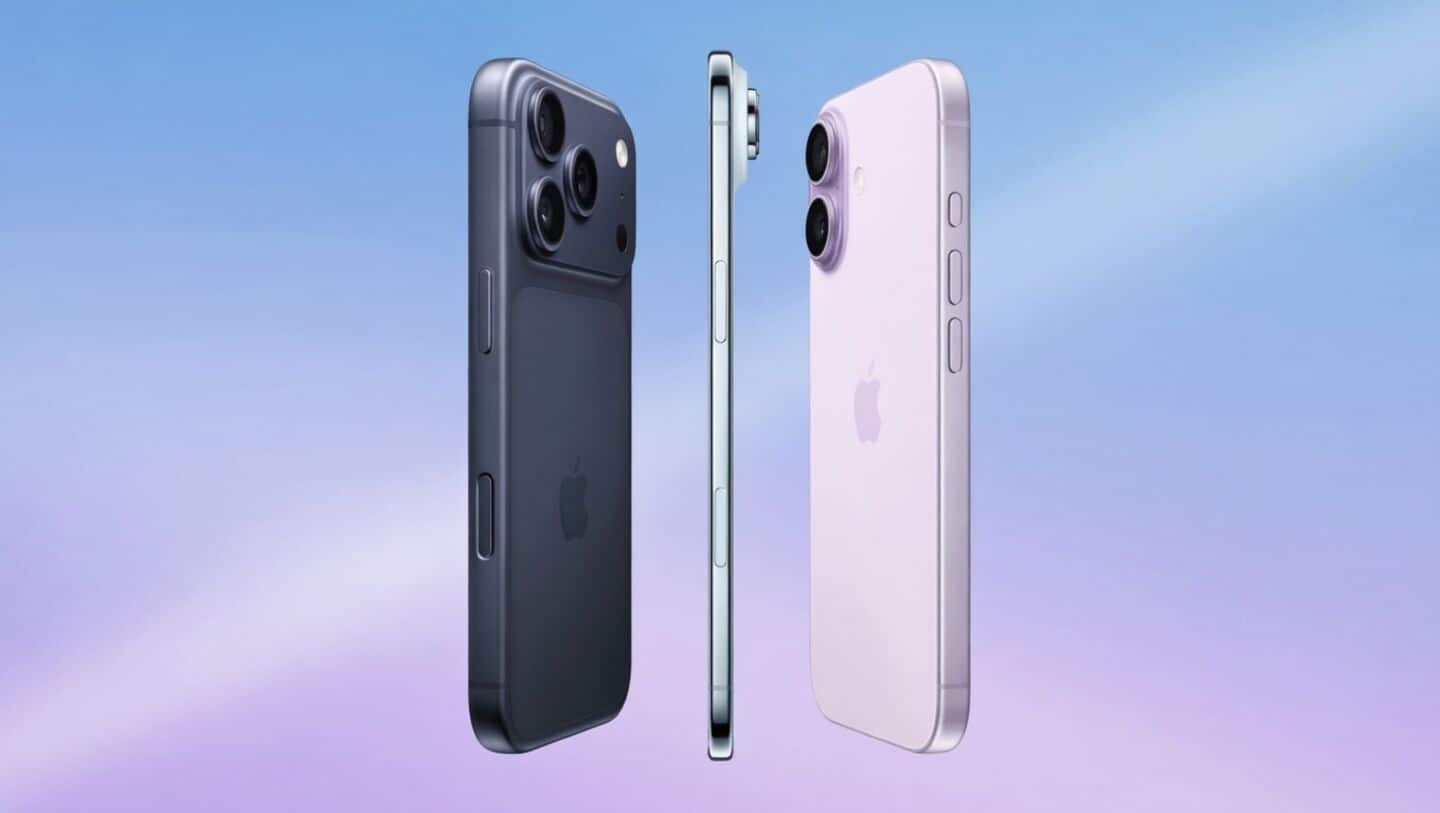
Apple bucks China smartphone market slump: iPhone sales jump 23%
What's the story
Apple has posted a massive 23% year-on-year (YoY) growth in iPhone sales in China during the first nine weeks of 2026. The tech giant's performance is in stark contrast to the overall market, which has been struggling due to weak demand and rising component costs. According to Counterpoint Research, China's smartphone sales have dropped by 4% YoY during this period.
Strategic advantages
E-commerce discounts and government subsidies boost iPhone sales
Counterpoint Research has attributed Apple's impressive growth in China to a mix of e-commerce discounts and the inclusion of the standard iPhone 17 in government subsidy programs.
These strategies are aimed at boosting consumer electronics purchases, giving Apple an edge over its competitors.
The company's ability to navigate these market dynamics has played a crucial role in its sales performance.
Market challenges
Rising component costs impact Android brands
The rising cost of memory components has been passed on to vendors, forcing several Android brands to revise their pricing strategies.
Chinese smartphone manufacturers OPPO and Vivo have already announced significant price hikes for some of their existing models, which will come into effect this month.
This trend highlights the impact of rising component costs on the broader smartphone market in China.
Pricing strategy
Apple's pricing strategy in China
Unlike its competitors, Apple has not announced any major price hikes and is unlikely to follow suit.
The company is willing to absorb some of the margin pressure from rising component costs in order to keep its prices stable.
This approach highlights Apple's commitment to maintaining its market position despite the challenges posed by rising memory prices throughout 2026.
Competitive advantage
Apple's supply chain advantage
Apple's control over its supply chain makes it better equipped than its rivals to handle rising memory costs.
The company's strategic management of its resources and operations gives it a competitive advantage in the face of these market challenges.
This is one of the many ways Apple continues to stay ahead in China's highly competitive smartphone market.