Are smartphones becoming more expensive in 2026?
What's the story
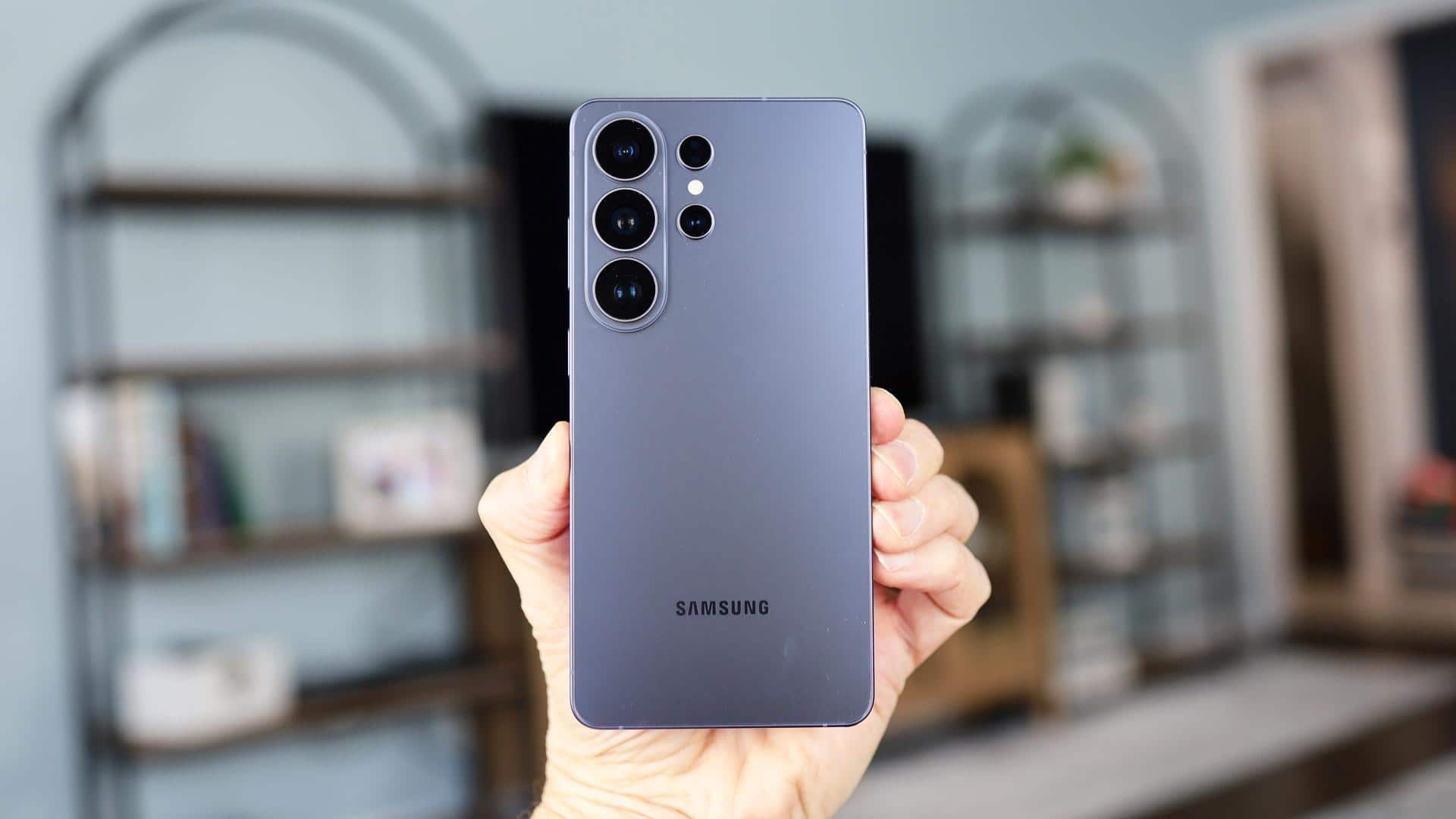
The consumer technology industry has been abuzz with activity in recent weeks, as major smartphone manufacturers have launched their latest devices across various price segments. Tech giants like Samsung, Apple, and Google have already unveiled their newest offerings for 2026. Samsung refreshed its flagship range with the Galaxy S26 series while Apple and Google focused on more affordable models.
New entrants
Recent launches and price comparison
Adding to the mix, Nothing has launched its latest mid-range smartphones this week, further expanding its "a" series lineup.
With new devices available across flagship, mid-range, and affordable categories, it's an opportune time to compare their prices with previous generations.
This comparison is particularly relevant given the rising costs of memory chips like DRAM and NAND storage.
Price trends
Pricing strategies amid rising component costs
The rising costs of memory components, which are crucial for modern smartphones, have led to a subtle shift in pricing strategies.
Some devices are being launched at higher prices than their predecessors while others have maintained the same price despite rising component costs.
This trend is particularly evident in Samsung and Nothing's latest offerings, which come with higher launch prices than their predecessors.
Price increases
Samsung and Nothing's devices see price hikes
The new Samsung Galaxy S26 Ultra starts at ₹1,39,999 for the 12GB RAM and 256GB storage variant, which is ₹10,000 more than its predecessor.
The rest of the lineup also reflects a similar trend with the Galaxy S26+ priced at ₹1,19,999 and standard Galaxy S26 starting at ₹87,999.
Nothing's latest releases also follow this pricing pattern with Phone 4a starting at ₹31,999 and Phone 4a Pro debuting at ₹39,999.
Stable pricing
Apple's iPhone and Google's Pixel remain stable
Not all brands have increased their prices, as seen with Apple's iPhone 17e and Google's Pixel 10a.
The iPhone 17e has been launched at the same price as its predecessor, while Pixel 10a debuted at ₹49,999, the same starting price as the previous model.
These differences highlight how smartphone makers are responding differently to rising component costs with some adopting strategies that allow them to keep prices stable.
Market predictions
What does this mean for consumers?
This trend is based on only a handful of recent launches in India. The next wave of smartphone releases will provide a clearer indication of whether higher prices become the norm.
If memory chip costs continue to climb, more manufacturers may eventually adjust prices or alter storage configurations to balance the additional expenses.
Even small increases in component costs can gradually influence how much people pay for their next device.