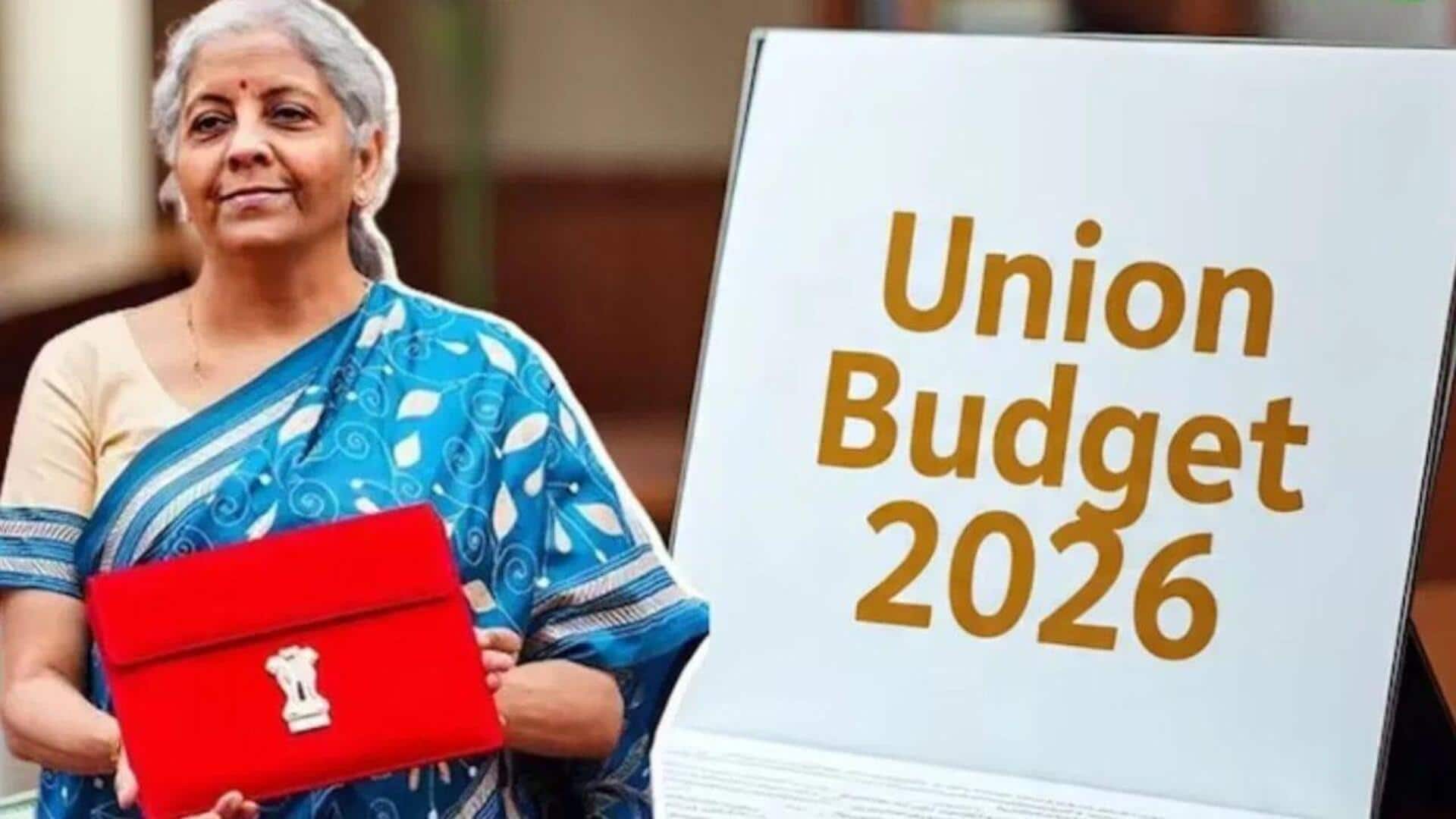
Budget 2026: What becomes cheaper and costlier for you
What's the story
Finance Minister Nirmala Sitharaman presented her ninth consecutive Union Budget earlier today. The budget has a direct impact on the prices of various goods and services in the country. Some items have become cheaper while others have seen a price hike. Here is a look at what has changed in terms of affordability for consumers after the new budget announcement.
Cost reductions
International travel, foreign education to become more affordable
The budget has proposed a reduction in the Tax Collected at Source (TCS) on overseas tourism packages from 5-20% to 2%. This is expected to make international travel more affordable for Indian consumers. Additionally, the budget has also proposed a lower Tax Deducted at Source (TDS) under Liberalized Remittance Scheme (LRS) for education expenses abroad, further reducing costs for students seeking foreign education.
Duty exemptions
Other notable exemptions
The budget also announced a reduction in duty on alcoholic liquor scrap and certain minerals from 5% to 2%. It has also proposed duty-free imports for shoe upper exports and exempted basic customs duty (BCD) on energy transition equipment, solar glass ingredients, capital goods for critical minerals, components and parts for civilian aircraft manufacturing. Microwave ovens are now exempt from BCD too.
Import exemptions
Essential goods to be more affordable
The budget has also proposed a reduction in BCD on personal use imports from 20% to 10%. It has exempted BCD on drugs for rare and cancer diseases, fish catch by Indian fishermen in Indian waters, goods imported for nuclear power projects.
Cost increases
Penalties on financial transactions
On the flip side, the budget has proposed a penalty equal to 100% of the tax amount for income tax misreporting. Non-disclosure of movable assets will also attract a penalty under this new budget. Further, the Securities Transaction Tax on stock options and futures trading has been raised from 0.02% to 0.05%, making these financial transactions costlier for investors.