Networks could lose licenses over US-Iran war coverage: FCC chair
What's the story
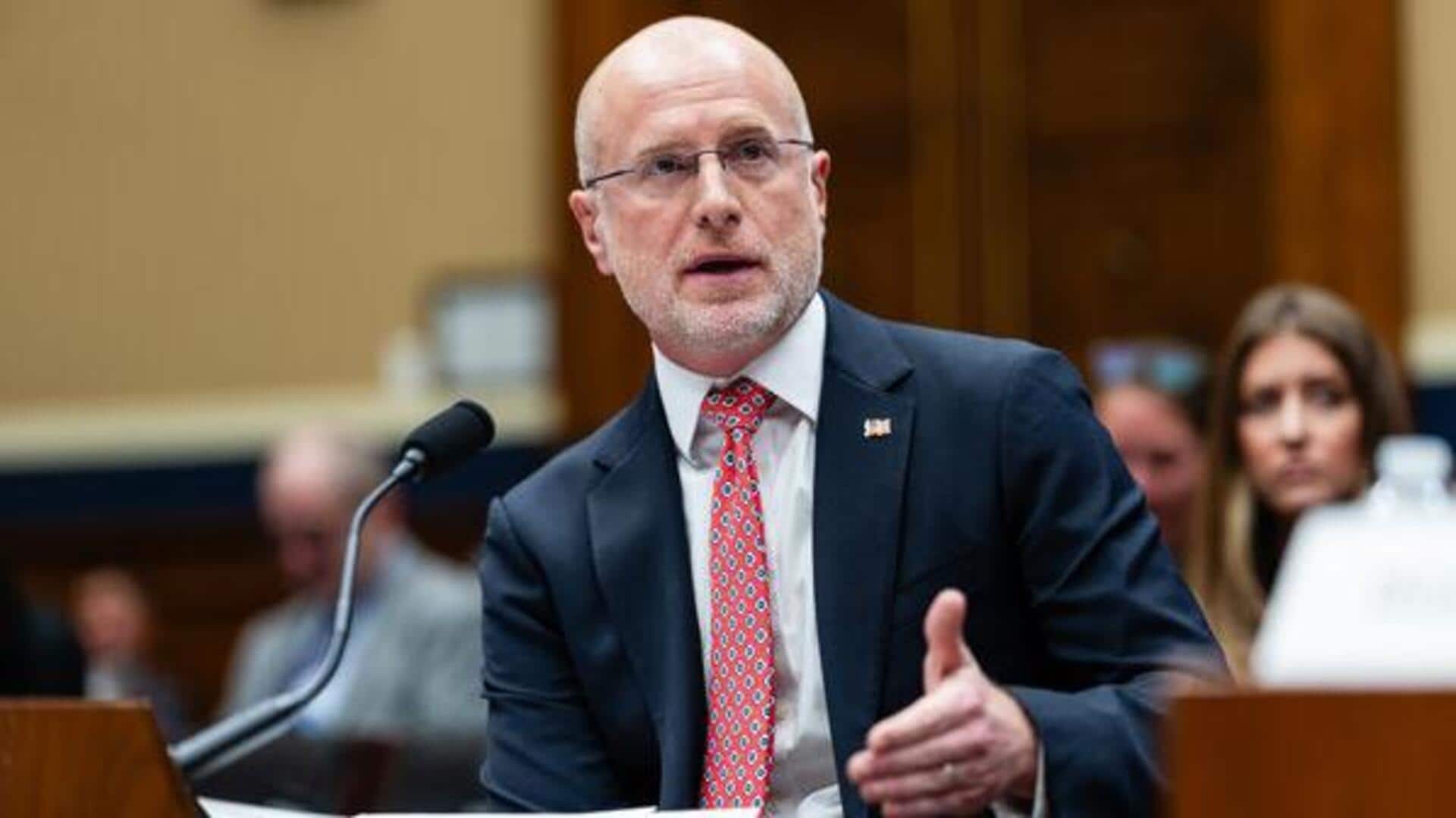
Brendan Carr, the chair of the Federal Communications Commission (FCC), has warned US television networks that they could lose their broadcast licenses if their coverage of the ongoing conflict with Iran doesn't meet "public interest" standards. The warning comes after President Donald Trump criticized media coverage of the war. In a post on X, Carr said broadcasters spreading "hoaxes and news distortions" should "correct course."
Controversy erupts
Democrats slam FCC chair's comments
The FCC chair's comments have drawn criticism from both Democrats and some Republicans, who are worried about potential threats to press freedom.
California Governor Gavin Newsom slammed the remarks on X, arguing that threatening licenses over war coverage would violate constitutional protections.
He wrote, "If Trump doesn't like your coverage of the war, his FCC will pull your broadcast license. That is flagrantly unconstitutional."
Twitter Post
Take a look at Carr's post
Constitutional law 101:
— Brendan Carr (@BrendanCarrFCC) March 14, 2026
“No one has a First Amendment right to a license or to monopolize a radio frequency; to deny a station license because ‘the public interest’ requires it ‘is not a denial of free speech.’” Supreme Court in Red Lion quoting NBC v. United States, 319 U. S.… https://t.co/0fcQmQuQJw
Presidential endorsement
Trump backs Carr's warning
Trump endorsed Carr's warning and accused some news organizations of spreading false information about the conflict.
He wrote on Truth Social, "I am so thrilled to see Brendan Carr... looking at the licenses of some of these corrupt and highly unpatriotic 'news' organizations."
The president stressed that broadcasters have access to US airwaves and shouldn't use them to "perpetuate lies."
Defense articulated
Carr defends position amid backlash
Carr later defended his position on X, clarifying that the FCC can deny or revoke a license if a broadcaster fails to serve the public interest.
He added that "no one has a First Amendment right to a license."
His warning comes amid complaints from Trump and other administration members over their treatment by what they call "the mainstream media" and unflattering coverage of the Iran conflict.