AI could displace 300M jobs globally, Goldman Sachs warns
What's the story
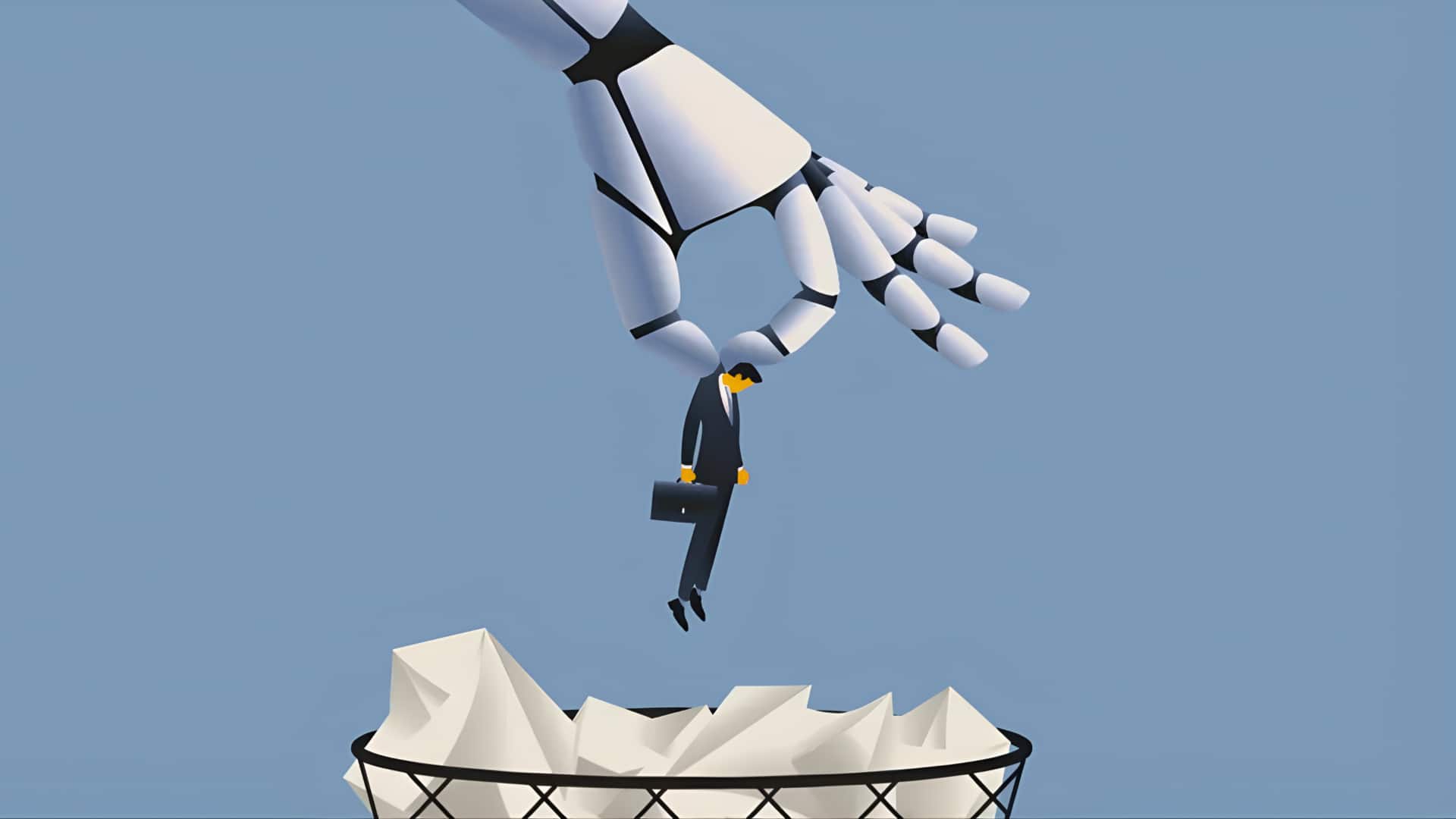
Goldman Sachs has warned that artificial intelligence (AI) could disrupt as many as 300 million jobs worldwide over the next decade. The investment bank's latest report on the future of work predicts that some 6-7% of workers could be displaced as companies increasingly adopt this technology. Most of this transition is expected to take place within the next 10 years, reshaping global labor markets with automation and new technical professions.
Job displacement
Unemployment may rise slightly
Goldman's economists have predicted a slight 0.6% point rise in unemployment during this period.
However, they also warned that a faster adoption rate could trigger "much larger" economic disruptions.
Joseph Briggs, co-head of the global economics team at Goldman Sachs Research, noted that AI's impact is already visible in the tech sector where employment as a share of the total economy has fallen below its long-term trend.
Job automation
Jobs at risk from AI adoption
Goldman Sachs estimates that AI could automate tasks accounting for a quarter of all work hours in the US. This shows its potential to transform nearly every job.
The report highlights that administrative work, legal roles, architecture, engineering, business and finance are particularly at risk from this technological shift.
In the US alone, computer programmers, accountants, legal assistants customer service representatives and telemarketers are among those most likely to be affected by AI adoption.
Economic impact
AI's potential to boost global GDP
Despite the potential job displacement, AI could also give a major boost to global GDP by 7%, or about $7 trillion. This would result in increased productivity for all.
The report acknowledges a possible short-term rise in unemployment as people adjust to these changes but emphasizes that new technology has historically created fresh opportunities too.
Trade demand
Demand for skilled trades to surge
The report also highlights a surge in demand for skilled trades that support the AI economy, such as construction workers, electricians and engineers.
Evan Tylenda, another Goldman researcher said "AI is intensifying the need for technical and infrastructure talent."
To meet rising electricity demand and data center growth by 2030 alone, the US will need an estimated 500,000 additional workers.