Modi government now allows ethanol blending in aviation turbine fuel
What's the story
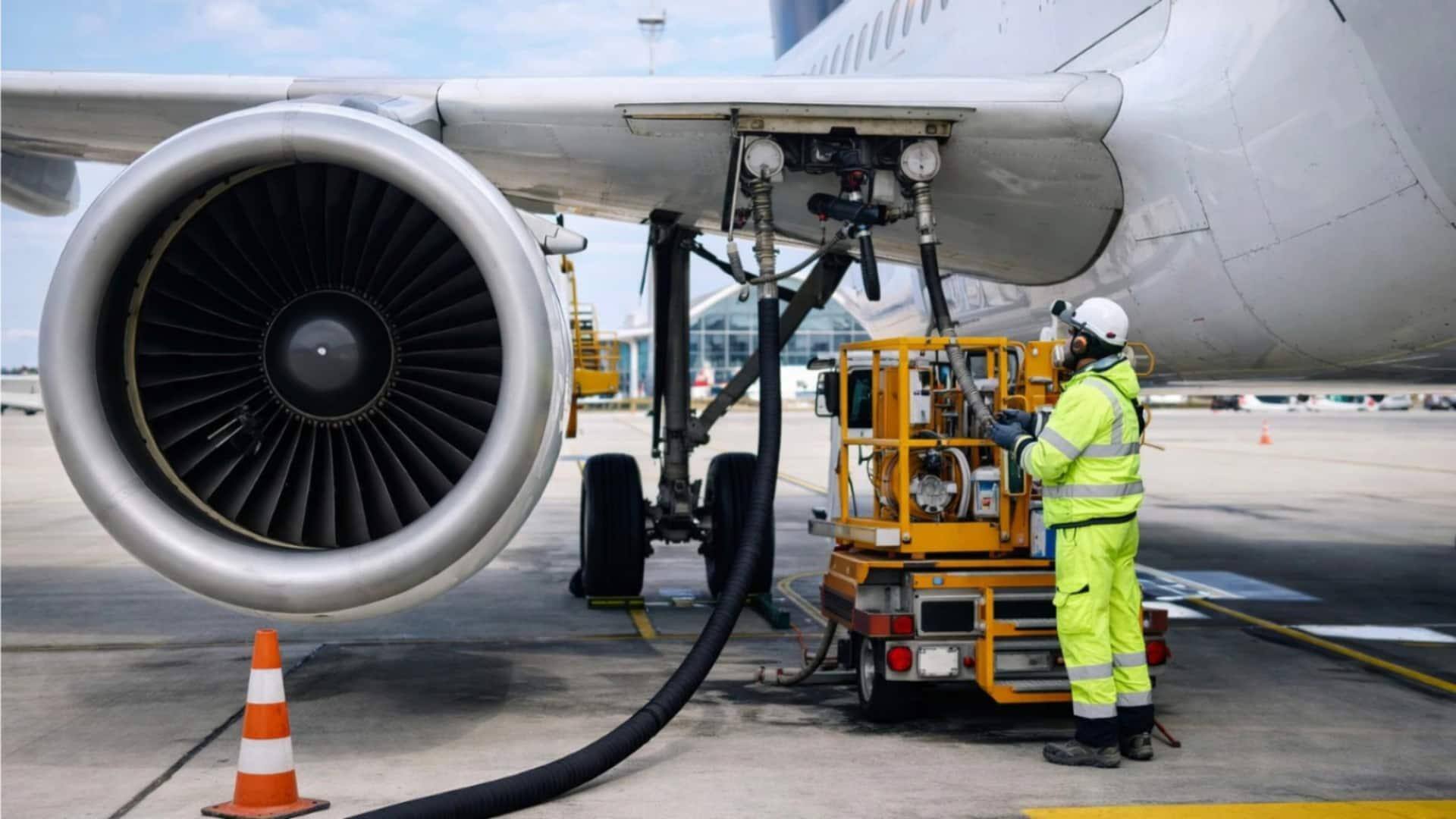
In a major push toward cleaner and alternative energy sources for aviation, the Ministry of Petroleum and Natural Gas has amended the rules governing aviation turbine fuel (ATF). The new guidelines expand the definition of ATF to include blends with synthetic hydrocarbons and ethanol. This is in line with updated Indian Standards (IS 1571 and IS 17081). The changes are expected to pave the way for sustainable aviation fuels.
Implementation
Revised framework notified under Essential Commodities Act
The revised framework, which comes into effect immediately, was notified under the Essential Commodities Act. It also removes some legacy references from the previous order, and aligns enforcement provisions with the Bharatiya Nagarik Suraksha Sanhita, 2023. This is particularly relevant for search and seizure norms. The changes are part of a broader effort to promote sustainable aviation fuels in India.
Fuel cost negotiations
Civil aviation ministry negotiating with states to reduce VAT
The Ministry of Civil Aviation is negotiating with states like Delhi, Tamil Nadu, West Bengal, and Maharashtra to reduce the Value Added Tax (VAT) on ATF. The talks come as fuel prices remain high. The urgency comes after a sharp spike in jet fuel costs due to the West Asia conflict, which disrupted global supply chains.
Price impact
International ATF prices have crossed ₹2.07L/kiloliter
International ATF prices have crossed ₹2.07 lakh per kiloliter, while domestic prices have also been on a steady rise. According to ICRA, ATF constitutes 30-40% of an airline's operating costs, making it a major pressure point. To mitigate the impact of rising costs, the Centre has asked oil marketing companies to stagger price hikes for domestic carriers and cap pass-throughs, even as global jet fuel prices continue to rise.