How India's aviation turmoil is driving ticket prices up
What's the story
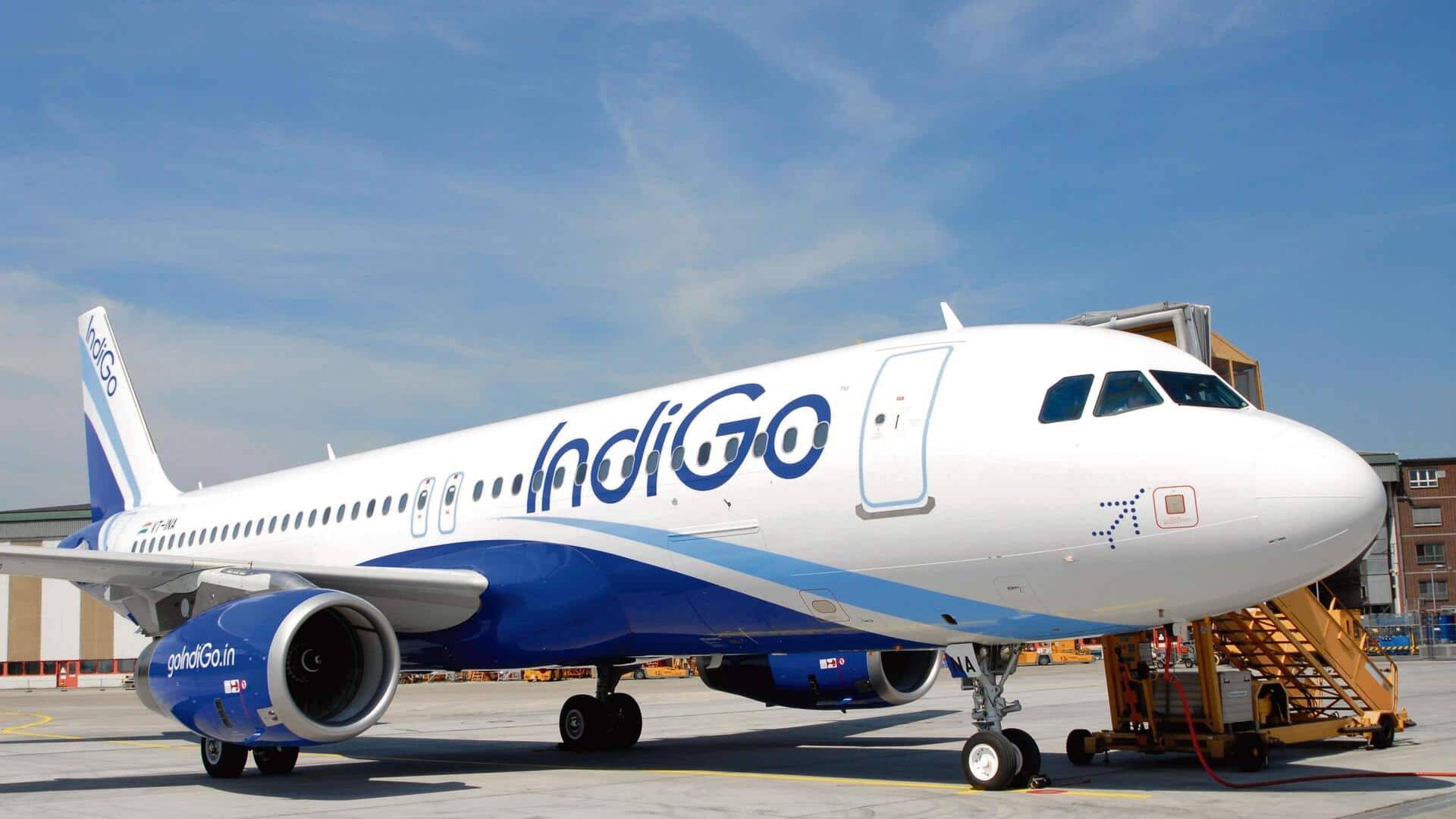
The Indian aviation sector is currently in a state of turmoil, with market leader IndiGo struggling to adapt to new crew rostering rules introduced by the Directorate General of Civil Aviation (DGCA). The chaos has resulted in skyrocketing ticket prices on other airlines. Despite a rise in domestic air travel and high fares, most airlines, except IndiGo, are incurring massive losses due to structural cost issues and a challenging fiscal regime.
Cost concerns
Rising airfares and airline losses
An industry study by the Airports Council International (ACI) revealed that domestic airfares in India have increased by around 43% from pre-pandemic levels in 2019 to the first half of CY2024.
Despite high fares, flights are full, especially between major cities. However, this isn't translating into profits for most airlines.
Air India reported a net loss of ₹10,859 crore in FY2025 while SpiceJet has been struggling financially for some time now.
Profitability challenges
Structural issues and high operating costs
The Indian aviation sector is plagued by structural problems, particularly high operating costs.
These costs are mainly driven by expensive aviation turbine fuel (ATF), which is heavily taxed by both central and state governments.
ATF accounts for a significant portion of airline operating expenses (about 40-50%).
Despite recent tax reforms, ATF remains outside the goods & services tax (GST) system, further burdening airlines with high fuel costs.
Additional expenses
Other cost factors impacting airline profitability
Apart from fuel costs, other factors are also contributing to high operating costs for airlines in India.
These include expensive aircraft leasing due to repeated bankruptcies and high global demand, rising maintenance costs, spare parts' prices, and salaries.
A significant portion of an airline's expenditure is dollar-denominated which further impacts their balance sheets as the rupee depreciates against the dollar.
Reform requirements
The need for systemic reforms in Indian aviation
To address these challenges, industry experts have called for systemic reforms in the Indian aviation sector.
Kapil Kaul, CEO of aviation consultancy CAPA India, stressed the need to ensure a level playing field for airlines in terms of fiscal regime.
He also emphasized that running an airline is not adequately compensated by fare inputs and highlighted over $22 billion losses since 2004 due to structural issues.
Market dynamics
Addressing high costs and competition in Indian aviation
Brenden Sobie, an independent analyst and consultant at Singapore-based Sobie Aviation, noted that post-COVID-19, costs for airlines have increased significantly everywhere.
He said most of these costs are fixed and not controllable, affecting all carriers equally.
Linus Benjamin Bauer, founder of aviation consultancy BAA & Partners, argued that India never had the factors that influenced growth of low-cost carriers (LCCs) elsewhere due to a constrained high-friction operating environment.