India's smartphone market just hit a 6-year low: Here's why
What's the story
India's smartphone market has witnessed its weakest quarter in six years, with a 3% year-on-year decline in shipments during Q1 2026. The downturn is largely attributed to rising component costs, price hikes, and subdued consumer demand. Despite a flurry of new launches, these factors have significantly impacted sales figures for the period under review.
Market response
Nearly a third of models were pushed into Q1
Counterpoint Research's Monthly India Smartphone Tracker revealed that nearly a third of smartphone models were pushed into Q1 to pre-empt further cost escalations, especially in memory components.
The move was also aimed at beating currency fluctuations.
However, the strategy has failed to significantly improve retail conversions amid rising costs and muted demand.
Market challenges
Price hikes have severely impacted the sub-₹15,000 segment
The sluggish performance of India's smartphone market has been attributed to an affordability crunch.
Rising bill of materials (BOM) costs, mainly due to memory inflation, have forced companies to hike prices by over ₹1,500 on average.
This is especially true for the sub-₹15,000 segment where consumers are highly price-sensitive.
Consumer behavior
Consumers are holding onto their devices for longer periods
Rising household expenses, including energy costs due to the US-Iran war, have further curtailed discretionary spending.
As a result, consumers are holding onto their devices for longer periods, extending replacement cycles and delaying upgrades.
This trend has also contributed to the overall slowdown in India's smartphone market during Q1 2026.
Market leaders
Vivo emerged as the market leader in Q1 2026
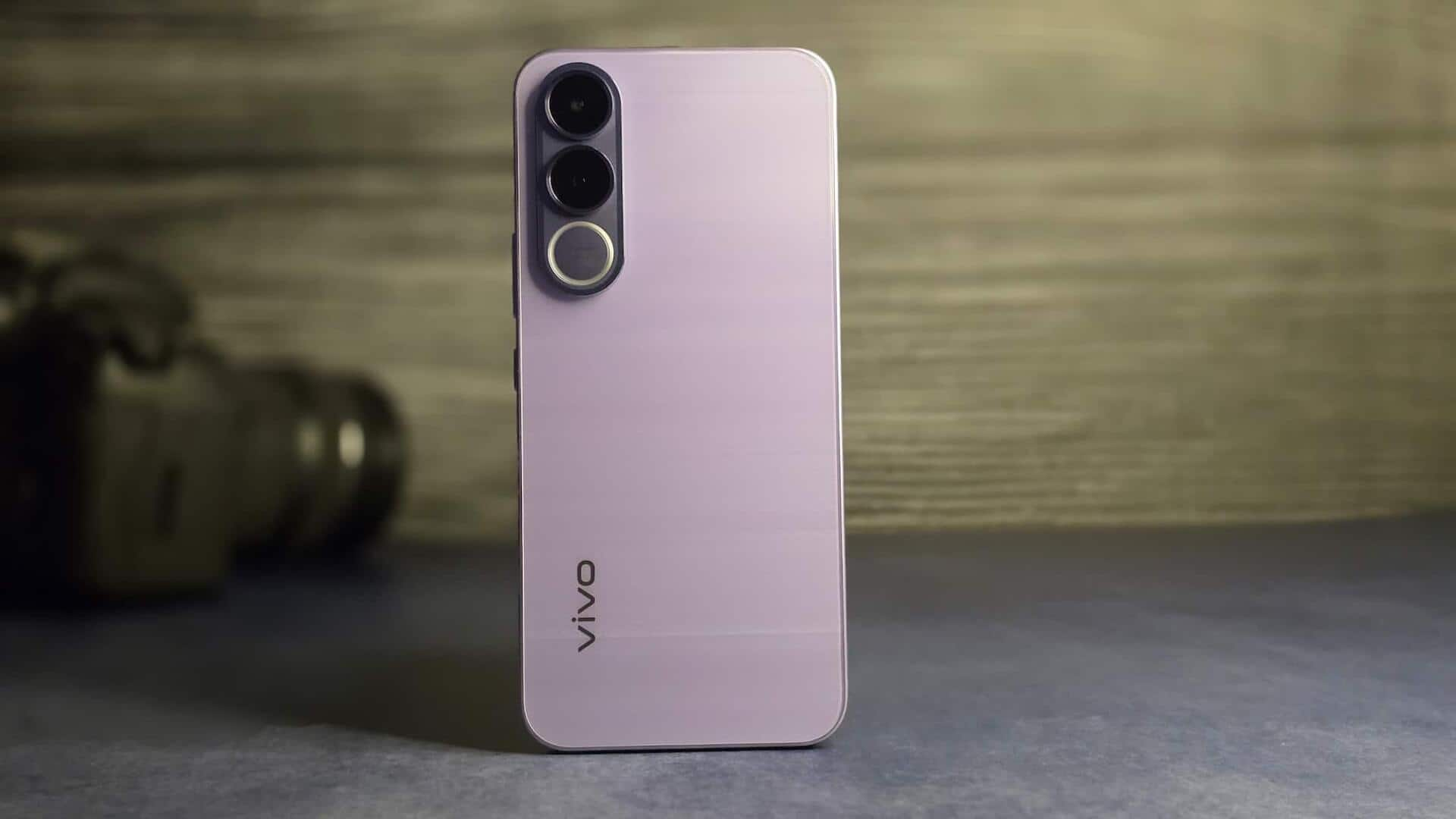
Vivo emerged as the market leader in Q1 2026 with a 21% share, thanks to an expanded product lineup and strong distribution.
Samsung came second, driven by steady demand for its mass-market A-series models and a positive response to its flagship Galaxy S26 lineup.
OPPO, with 14% market share, retained third place with an impressive 8% year-on-year growth.
Brand performance
How did other brands perform during the quarter?
Xiaomi ranked fourth, thanks to improved channel execution and a sharper focus on key models in the ₹10,000-₹20,000 price band.
Realme also witnessed strong online traction in this segment with select models witnessing robust demand.
Premium smartphone maker Apple increased its shipment share to 9% during the quarter, backed by strong demand for its iPhone 17 series and aggressive financing offers.
Market expansion
Nothing and Google recorded impressive growth rates
Among emerging brands, Nothing (including CMF) saw the fastest growth with a 47% increase in shipments. This was driven by offline expansion and strong traction for its newly launched Phone (4a) series.
Google recorded the fastest growth in the premium segment (above ₹45,000), expanding 39% year-on-year due to AI-focused features and marketing initiatives.
Forecast
Memory prices likely to rise further, putting pressure on margins
Looking ahead, the market remains challenging with a possible double-digit decline in Q2 2026. Full-year shipments are expected to fall by 10%.
Memory prices, especially NAND and DRAM, have already spiked sharply and are likely to rise further.
This will continue to pressure margins and pricing strategies for smartphone makers in India's competitive market landscape.