Jet fuel prices cut 27% for international airlines
What's the story
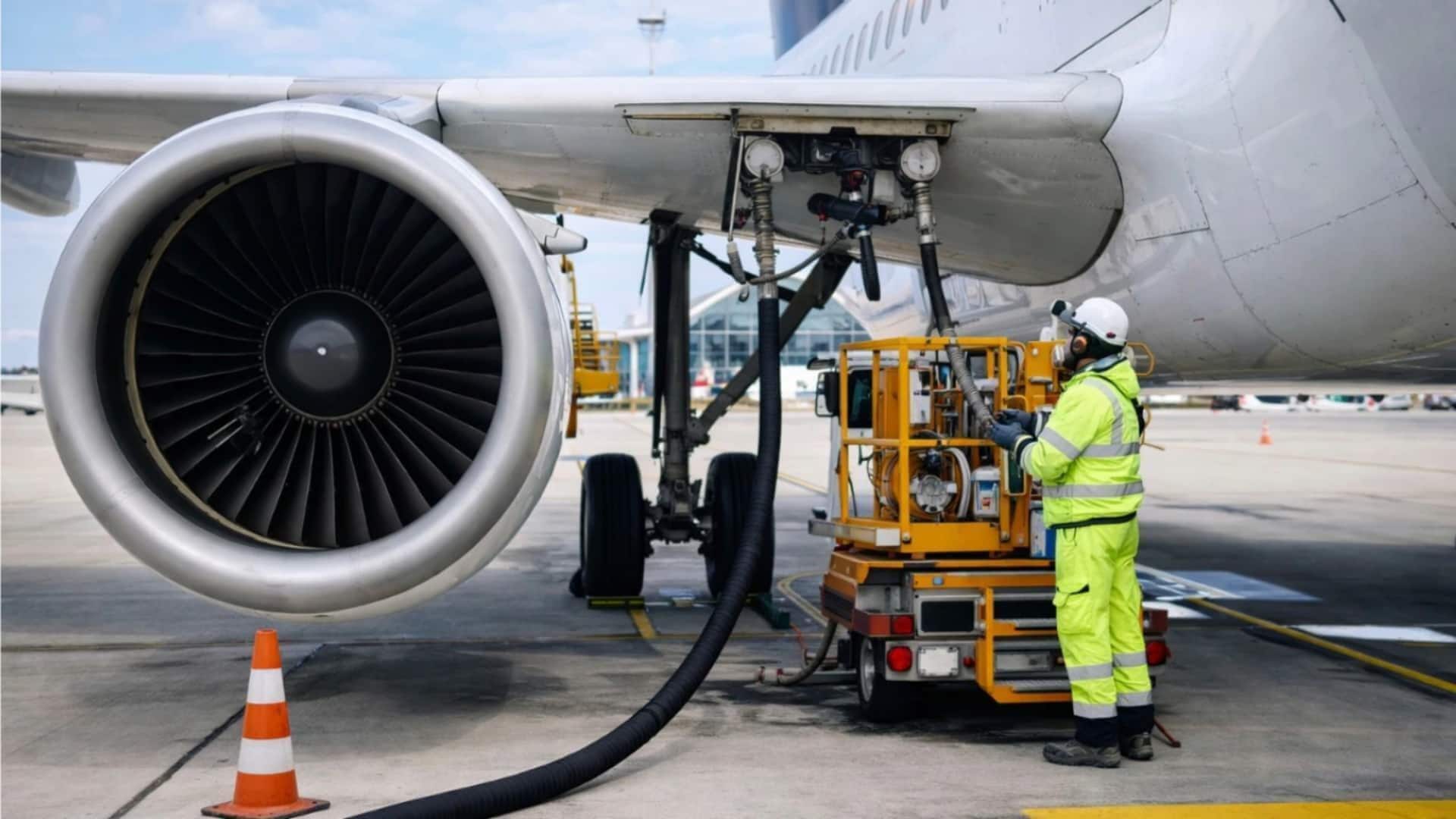
The price of Aviation Turbine Fuel (ATF) for international airlines has been slashed by 27% in India. The reduction comes as part of a monthly revision by state-owned oil companies, reflecting changes in global fuel benchmarks. The new rate brings down jet fuel prices for international carriers to around $1,100 per kiloliter. However, domestic carriers will continue to pay the same ATF rate as last month.
Price stability
ATF rate for domestic carriers remains unchanged
The ATF rate for domestic carriers remains unchanged at ₹104,927.18 per kiloliter. This is the same price that was implemented on April 1, when only 25% of the necessary hike was passed on to airlines. State-owned fuel retailers had kept prices stable in May despite rising international rates, absorbing higher costs instead of passing them on to passengers.
LPG surge
Commercial LPG prices reach record high
In a separate development, oil marketing companies have hiked commercial LPG prices by up to ₹53.5 per 19kg cylinder, taking them to a record high. The cylinder now costs ₹3,113.50 in Delhi from the previous price of ₹3,071.5. This hike comes after a massive increase of ₹993 on May 1 that pushed commercial LPG prices to their highest-ever levels.
Price stability
What about domestic LPG cylinders?
Despite the rise in commercial LPG prices, household consumers have not been affected. The price of the 14.2kg domestic LPG cylinder has remained unchanged at ₹913 since early March when rates were hiked by ₹60. Petrol and diesel prices also remain unchanged after a hike of around ₹7.5 per liter last month.
Supply challenges
Airlines worldwide facing jet fuel supply disruptions
Airlines worldwide are facing disruptions due to a tightening jet fuel supply, caused by the ongoing war in West Asia. The Strait of Hormuz, a key artery for global energy flows, remains largely closed as the US-Iran conflict enters its fourth month. This has further strained fuel availability and supply chains.