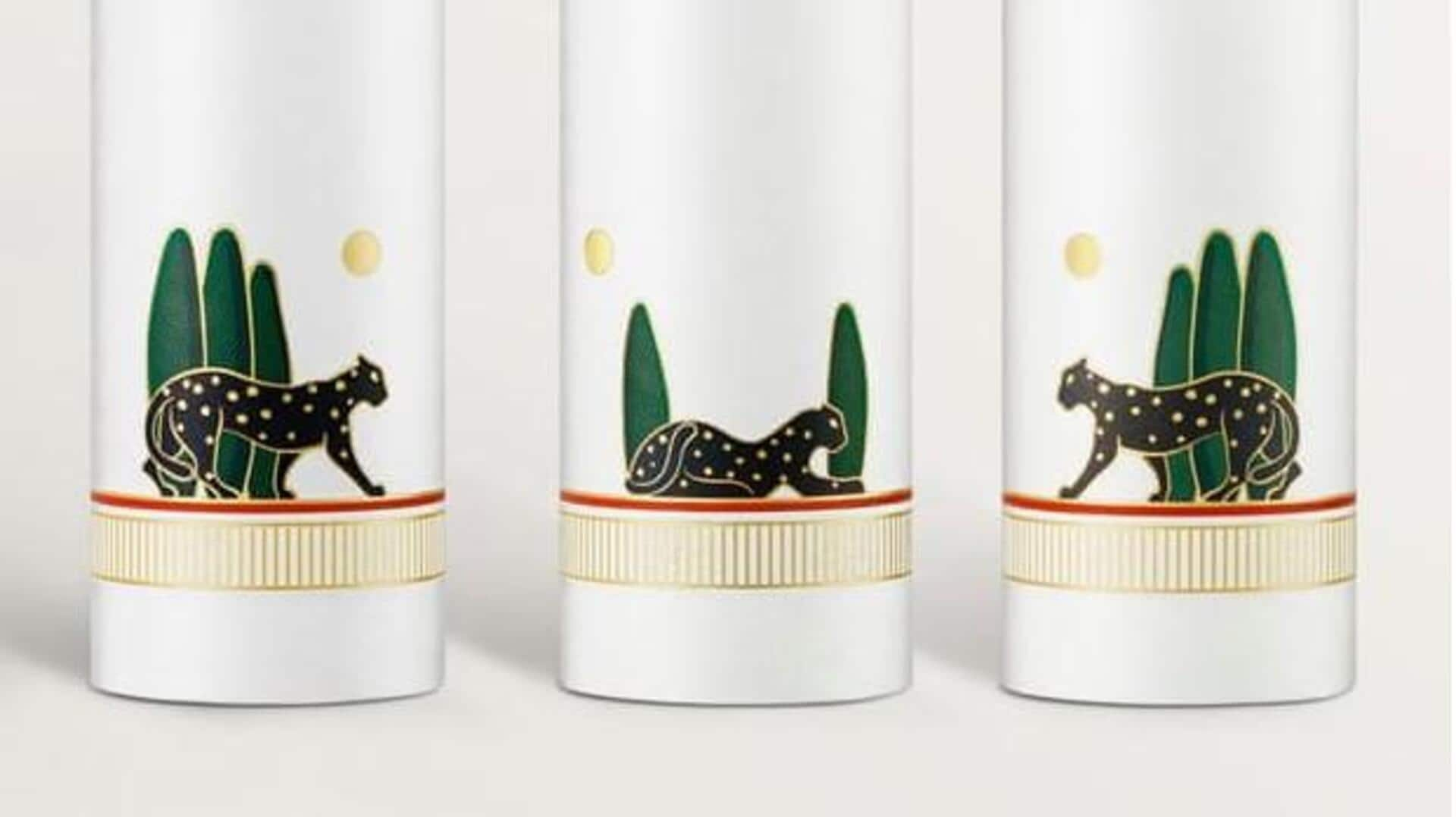
Want a matchbox? You can buy Cartier's set for ₹29,500
What's the story
The humble matchbox has received a luxury makeover, with some models carrying eye-watering price tags. At Selfridges, one of the UK's leading department store chains, sales of high-end matchboxes have surged by 121% year-on-year. The store has expanded its range to over 100 styles, priced between £5 and over £230.
Luxury items
Cartier's set of 3 paper and card tubes
The priciest item in Selfridges's collection is a set of three paper and card tubes, each decorated with panthers and filled with 80 matches. Designed by Cartier, this luxurious set retails for a whopping £235.
Jo Laing, who creates ceramic-topped matchboxes, has also witnessed a 60% year-on-year sales increase. Her reusable limited-edition boxes are priced at £70 and are now available at Harrods.
Historical significance
History of matchboxes
The matchbox gained popularity in the late 1800s as manufacturers realized its potential as an advertising platform.
This led to colorful labels with political messages and product marketing, making matchboxes an unexpected art form.
At the same time, more luxurious versions made of silver, gold, and ceramics started appearing on the market. However, these fell out of favor after smoking bans were introduced.
Market trend
Little treats during tough times
Despite their high price tags, luxury matchboxes are seen as a response to cost of living pressures.
Bia Bezamat, cultural insights director at Kantar, said there's a sustained trend for 'little treats' as people seek small, affordable pockets of joy to brighten their day.
Claire Dickinson from WGSN Interiors also noted that these items are "the homeware equivalent of the lipstick effect," where consumers replace expensive luxuries with smaller indulgences during economic downturns.
Design evolution
A new home staple
Dickinson also highlighted the emergence of "beautilities," practical objects designed to be seen and enjoyed.
Henrietta Klug from Selfridges said the once-functional item is now "re-emerging as an object of desire" that takes center stage in people's homes.
It has even found a place on tables at some of London's most fashionable bars and restaurants, further cementing its status as a luxury home accessory for 2026.