OPEC+ to raise oil output targets amid US-Iran war fallout
What's the story
The Organization of the Petroleum Exporting Countries (OPEC) and its allies, collectively known as OPEC+, are expected to announce a modest increase in oil production. The move comes as a response to the ongoing conflict between the US and Iran that has disrupted Gulf oil supplies. However, oil executives from the Gulf and global oil traders believe that this increase will be largely symbolic unless the war ends and normalcy is restored in shipping through the Strait of Hormuz.
Production boost
UAE's exit won't stop OPEC+ from raising output targets
Seven OPEC+ countries have agreed in principle to increase their oil output targets by some 188,000 barrels per day in June. This is the third consecutive monthly increase.
The countries are Saudi Arabia, Iraq, Kuwait, Algeria, Kazakhstan, Russia, and Oman.
The decision comes despite the UAE's recent exit from the group and is seen as a sign of readiness to raise global supplies once the war stops.
Market effects
US-Iran war pushes oil prices to 4-year high
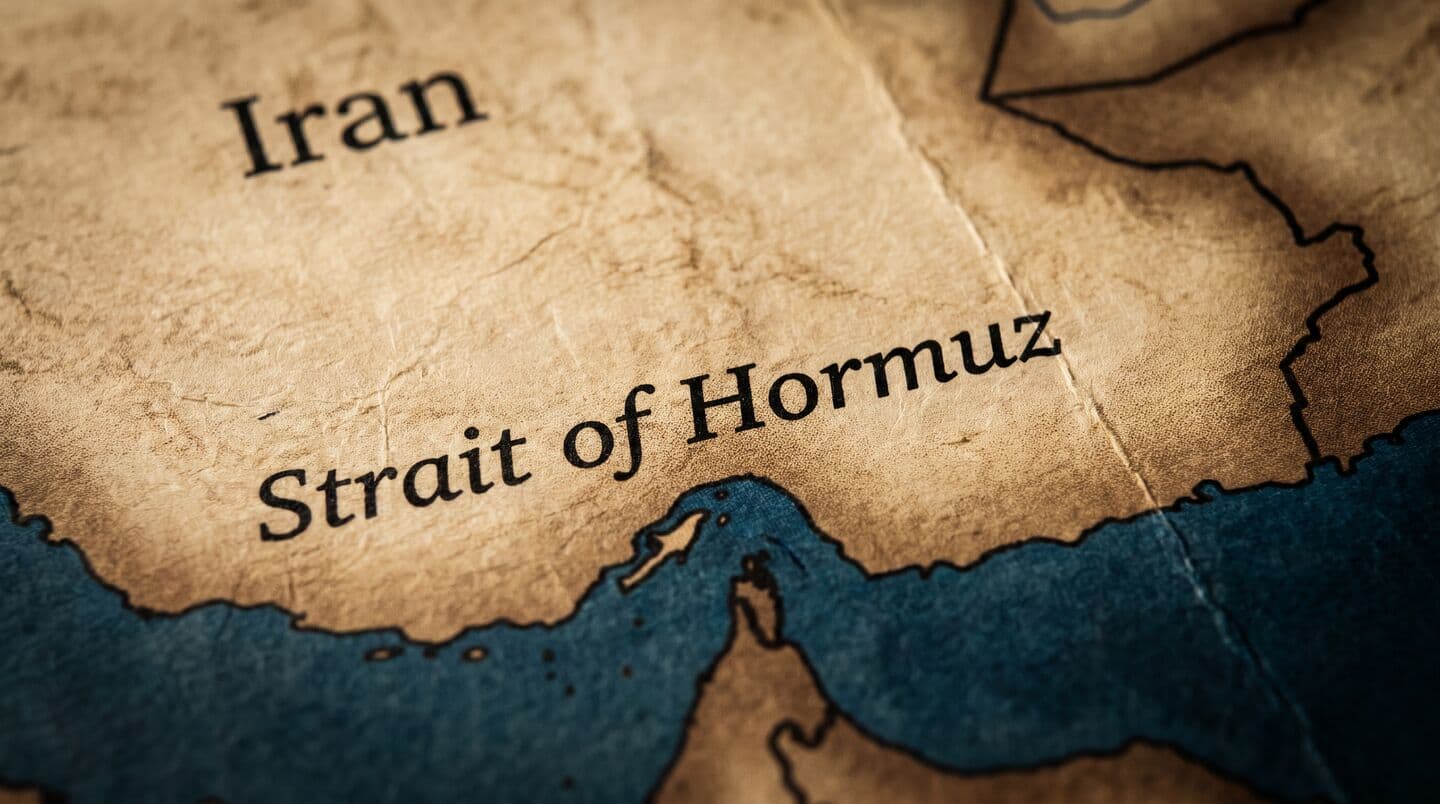
The ongoing US-Iran war and the resultant closure of the Strait of Hormuz have severely impacted oil exports from OPEC+ members Saudi Arabia, Iraq, Kuwait, and the UAE.
These countries were previously the only ones in the group capable of increasing production.
The disruption has pushed oil prices to a four-year high above $125 per barrel this week.
Analysts are now predicting widespread jet fuel shortages in one to two months and an increase in global inflation.
Production data
OPEC+ production cuts in March
According to an OPEC report last month, crude oil production from all OPEC+ members averaged 35.06 million barrels per day in March, a decrease of 7.70 million barrels per day from February.
The largest cuts were made by Iraq and Saudi Arabia due to constrained exports.
Despite these challenges, the group is pushing ahead with plans to raise output targets even after the UAE's exit this week.