What is P2P power trading and how it helps you?
What's the story
Peer-to-peer (P2P) power trading is a revolutionary concept that allows consumers, including households, businesses, and farmers with renewable energy sources, to sell their surplus electricity directly to other consumers. The transactions are facilitated through digital protocols. The model was recently tested during the India AI Impact Summit 2026 via a blockchain-enabled platform under the India Energy Stack (IES) framework.
Mechanism
How does P2P power trading work?
The P2P trading of power is done through a digital platform, with net metering as the mechanism for such transactions.
Net metering is a billing system that credits solar panel owners for the excess electricity they generate and feed back into the utility grid.
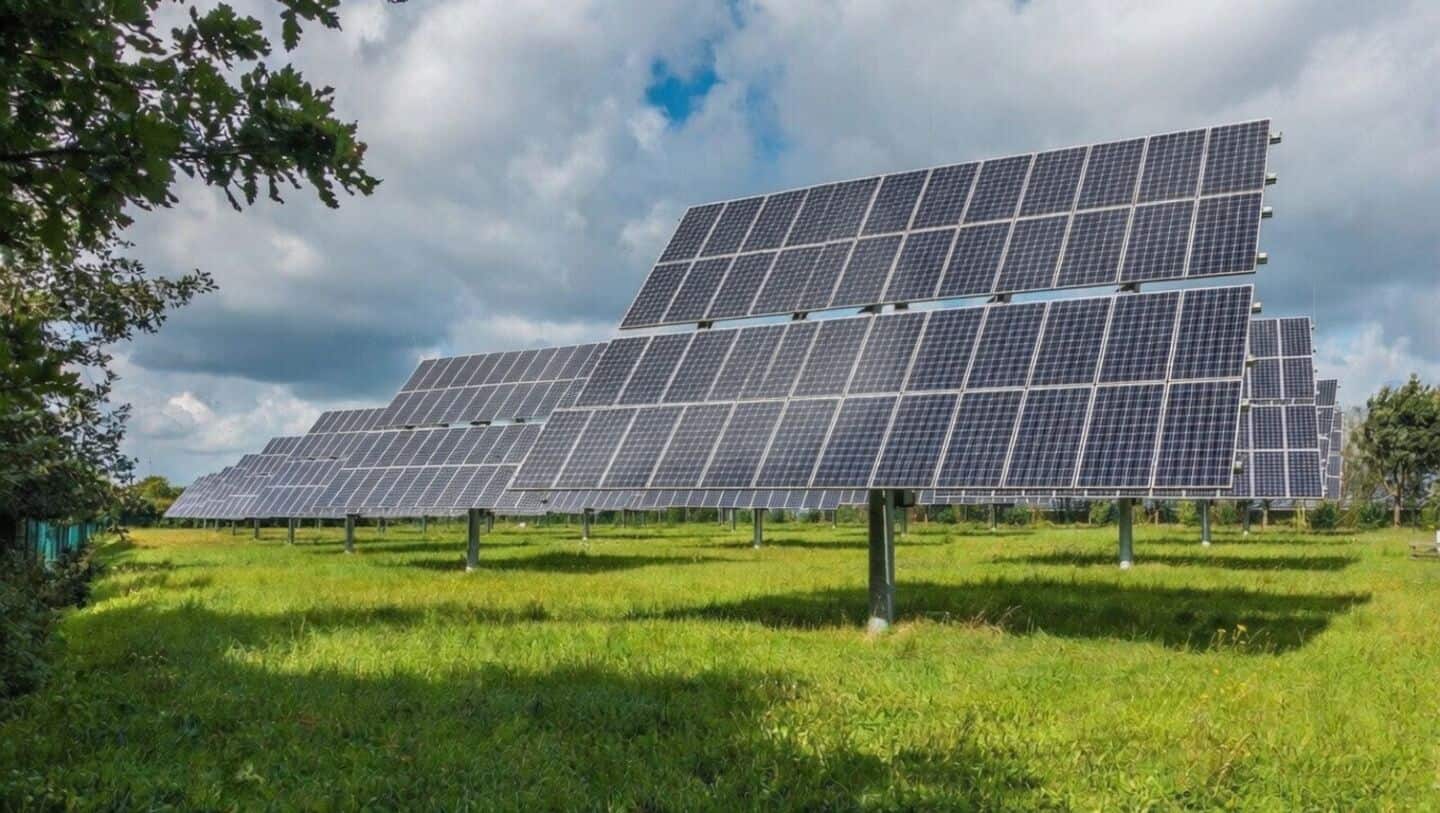
This way, households and entities producing solar power via rooftop installations can sell their excess generation to other consumers.
Digital infrastructure
What is India Energy Stack?
The IES is a digital public infrastructure that aims to transform citizens into active 'energy agents' instead of passive electricity consumers.
It is an interoperable digital framework for secure and low-cost data and service exchange across the power sector, much like UPI revolutionized India's digital payments ecosystem.
The IES will offer unique IDs for consumers, assets, and transactions; a real-time consent-based data sharing; seamless system integration, tools for consumer empowerment, market access, and innovation.
Advantages
Benefits of P2P power trading
P2P electricity trading makes renewable energy more accessible and empowers consumers to make better use of their distributed energy resources.
It keeps communities resilient to outages during emergencies and can also improve energy access.
The model offers a marketplace for consumers to trade renewable energy at better prices, thus encouraging further deployment of distributed green power.