
Why kids can't buy latest Pokemon cards anymore
What's the story
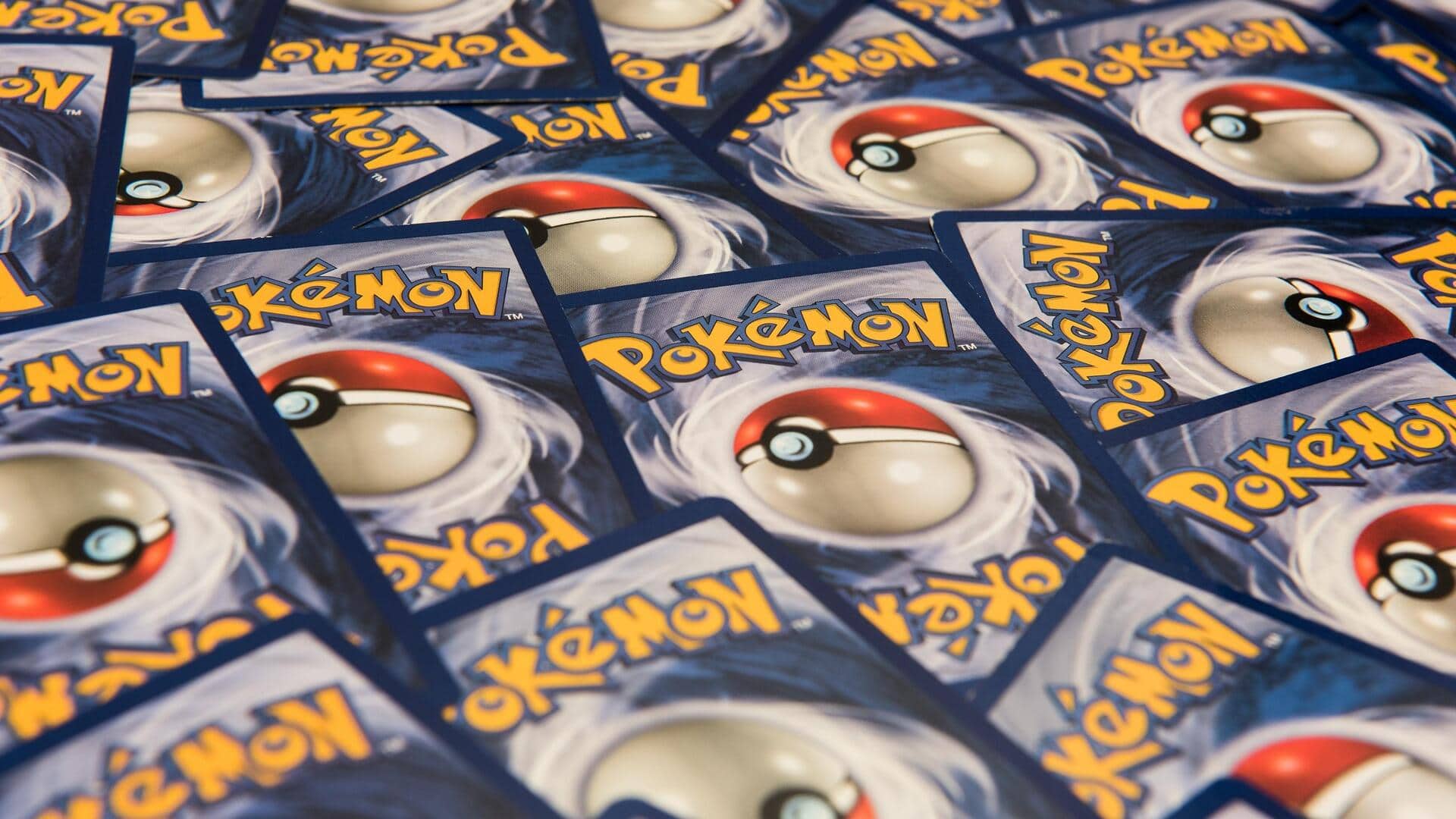
The once-innocent world of Pokemon cards has transformed into a speculative market, making it nearly impossible for kids to get their hands on the latest releases. The trend of reselling and scalping has skyrocketed in the last year, pushing up prices even before new sets are launched. The latest set, Phantasmal Flames, features a rare special illustration Charizard that was priced over £600 even before its release.
Market dynamics
Reselling practices and their impact on availability
The surge in reselling has led to a speculative market where adults are buying up all available cards. This has made it extremely difficult for kids who genuinely want to collect or play with these cards. Online retailers like Amazon have started holding lotteries for card purchases, while offline resellers queue outside stores and buy up every item as soon as it's restocked.
Retail struggles
Retailers face challenges
Retailers are facing major challenges due to these aggressive reselling practices. Ben Thyer, owner of BathTCG, an independent store specializing in trading card games, said his staff have been threatened by customers. He added that other stores have even witnessed robberies over this issue. To combat this, some retailers have started placing limits on individual packs or stopped selling whole boxes of booster packs altogether.
Influencer impact
Influencers and YouTubers contribute to market volatility
The rise of YouTubers and TikTok influencers opening packs at high speeds has also contributed to the volatility of this market. They often exaggerate their reactions when they find a "hit," making common cards seem less valuable. This has changed the focus from collecting for fun to maximizing "value." Pete Sessions, a project manager from Bristol, expressed his concern over influencers' impact on his son's perception of card values.
Unethical tactics
Market volatility leads to deceptive practices
The hype around making a fortune by opening a pack of cards has led to market volatility. Some people now use apps like Collectr to monitor their card portfolio for price changes. This has also led to unethical practices like selling fake cards or opening and resealing packs after swapping out rare cards. The Pokemon Company printed 10.2 billion cards in the year ending March 2025 but still struggles with demand.