Dark stores spread to smaller towns as quick commerce scales-up
What's the story
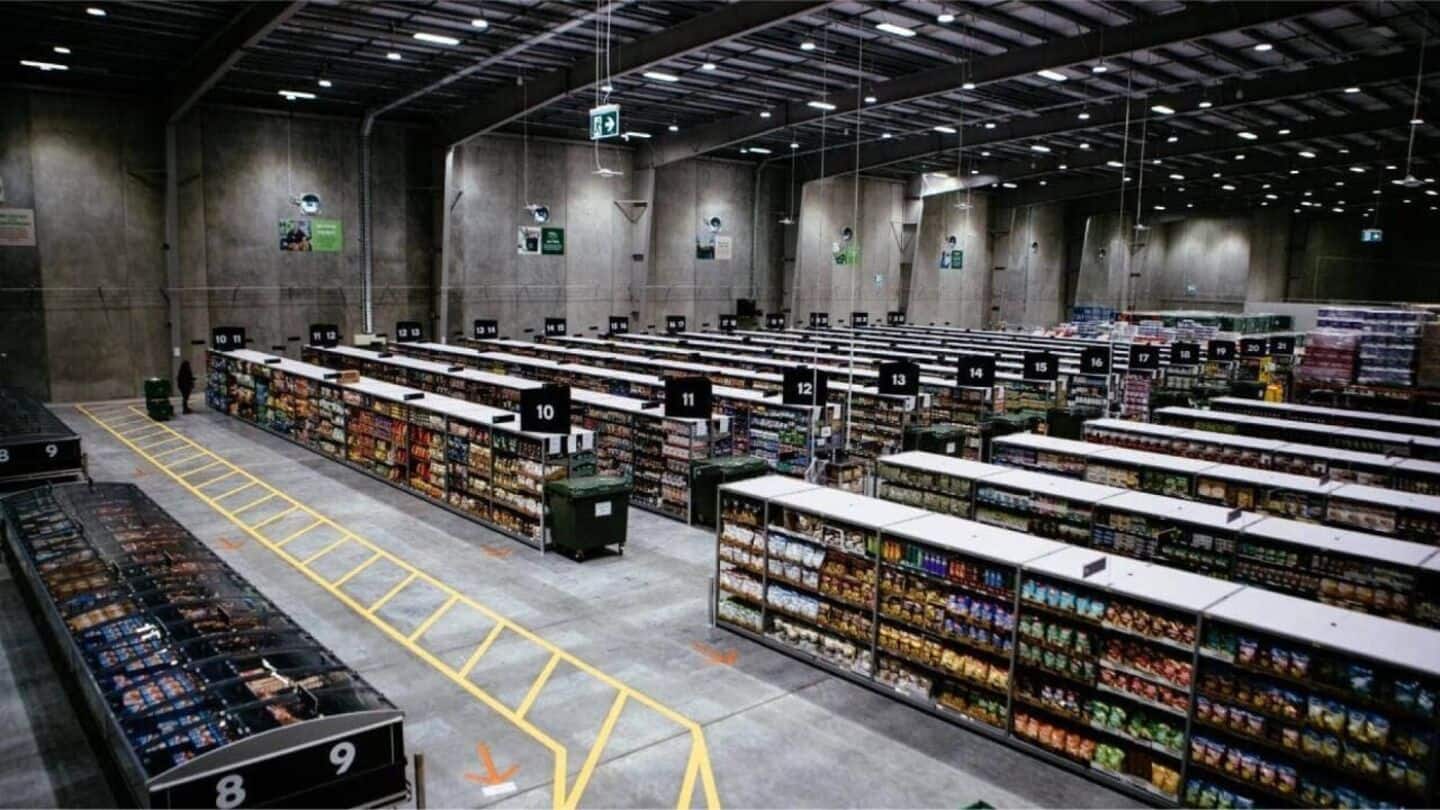
The number of dark stores, or warehouses used for quick commerce, is witnessing a major shift from metro cities to tier-2 and smaller towns in India. According to property consultancy Savills India, one-third of all quick-commerce dark stores are now located in these non-metro areas. The total number of such facilities is expected to grow nearly threefold by 2030, from around 2,525 today to an estimated 7,500.
Market expansion
Dark stores: A key player in India's quick-commerce market
The rise of dark stores is part of a larger trend in India's quick-commerce sector, which has seen unprecedented growth in recent years.
The total area for these facilities is expected to expand nearly threefold from 13 million square feet to 38 million square feet.
This expansion comes as businesses try to meet the rising demand for ultra-fast delivery services across the country.
Regional dominance
India leads the way in Asia-Pacific's quick-commerce market
India's leadership in the quick-commerce sector is reflected in the growth across the Asia-Pacific region, which is now the largest and fastest-growing market for this industry.
Countries like China and India are at the forefront of this trend due to their large consumer bases, efficient delivery networks, and increasing smartphone usage.
Supply-demand gap
Dark store demand outpacing supply in India
The demand for dark stores continues to outpace supply, with a significant 50% gap between required and operational spaces.
This presents a major opportunity for property developers and investors looking to capitalize on this fast-growing sector.
Unilever's global CEO Fernando Fernandez expects quick commerce will account for 10-15% of sales in India over the next few years, up from the current 2-3%.
Strategic approach
Reliance Retail's strategy for dark stores
Reliance Retail's CFO Dinesh Taluja said dark stores are mainly focused on bigger cities where traffic congestion and delivery time constraints limit store distribution.
However, the company also runs over 3,000 grocery stores to fill gaps in the network where dark stores aren't viable yet.
The National Capital Region has the highest concentration of dark stores with 400 facilities.