Airlines cut flights as US-Iran war drives up fuel costs
What's the story
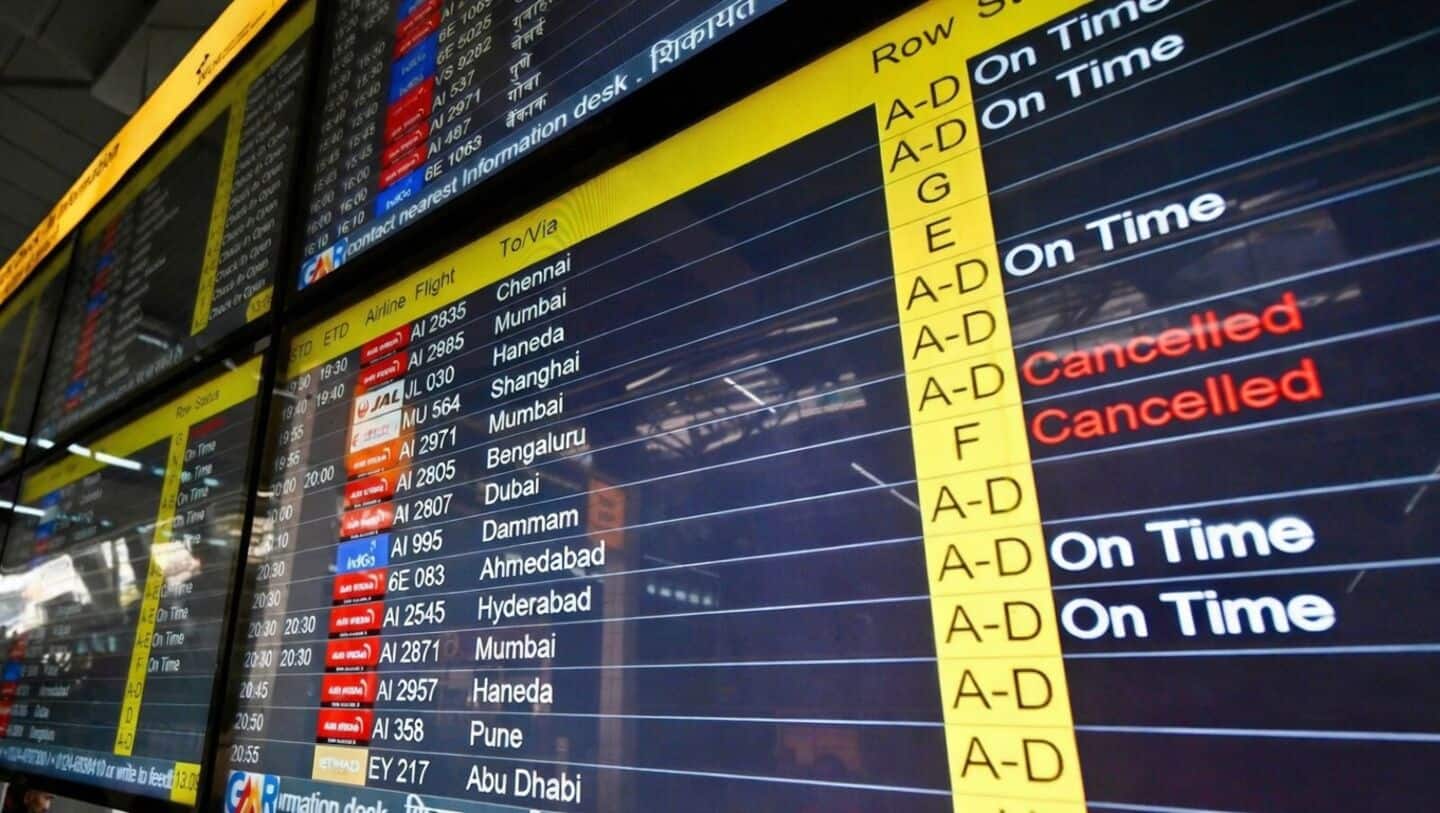
The ongoing conflict in West Asia has severely impacted flight operations, with disruptions becoming more frequent since late February. The situation is expected to worsen as jet fuel prices nearly double by April due to a blockade in the Strait of Hormuz, a key oil transportation route. This has prompted at least 20 airlines across major regions to reduce their May flight schedules, according to aviation analytics firm Cirium.
Airline responses
Major airlines announce flight cancellations
German airline Lufthansa has announced plans to cancel 20,000 short-haul flights over the next six months.
Other carriers including Scandinavian Airlines, Delta Air Lines, United Airlines, American Airlines, Air Canada, and Emirates have also announced similar plans.
Qatar Airways and British Airways are among those who plan to operate fewer flights due to the rising fuel costs.
Fare adjustments
Fare hikes and additional charges on the cards
In response to the rising fuel costs, some airlines are considering fare hikes or introducing additional charges for luggage.
Air France-KLM, Indigo, Pakistan International Airlines, Thai Airways, Turkish Airlines-Sun Express, and Virgin Atlantic are among those who may implement these changes.
However, it's important to note that an airline or tour operator cannot increase ticket prices post-sale unless specifically stated in their terms and conditions.
Price surge
Jet fuel prices soar due to West Asia conflict
The ongoing conflict in West Asia has disrupted both production and transportation of fuel, causing a near doubling of global jet fuel prices from about $99 per barrel at the end of February to $209 per barrel at the beginning of April.
This sharp increase is due to Europe importing around 50% of its oil from Gulf nations affected by this conflict.
Supply concerns
Potential jet fuel shortages raise alarms
The rising fuel costs have raised concerns about potential jet fuel shortages for airlines if the conflict continues.
On April 16, International Energy Agency (IEA) head warned that Europe had enough jet fuel for about six weeks and airlines would start cutting routes without more supply.
EU Energy Commissioner Dan Jorgensen also warned of a long-term energy crisis due to this conflict, costing Europe around €500 million ($600 million) each day.