US-Iran war wipes ₹41L crore off Indian markets
What's the story
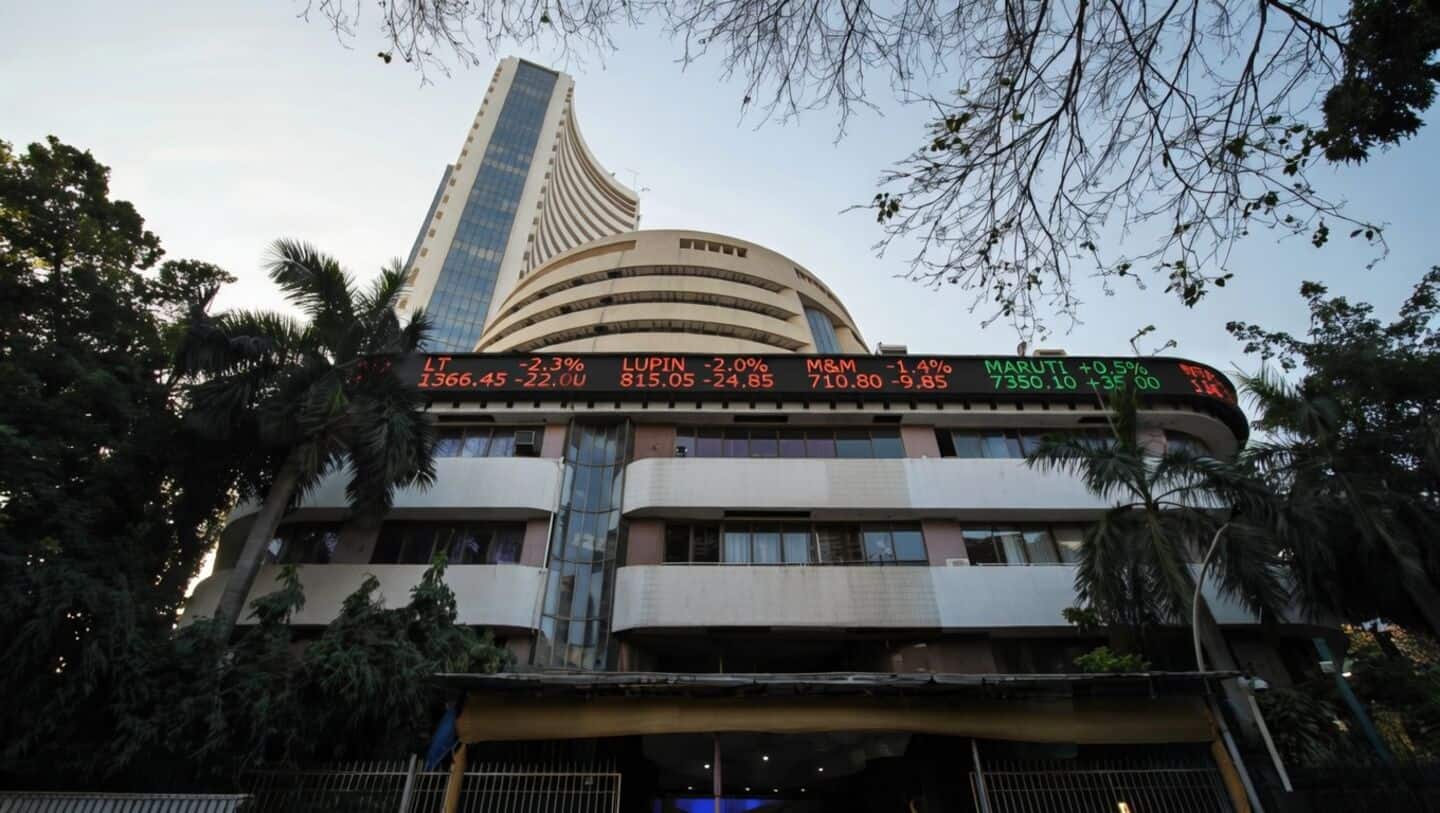
The ongoing conflict in Iran has taken a major toll on the Indian stock market, with investors losing a whopping ₹41 lakh crore since the war began. The market capitalization of BSE-listed companies has plummeted by over 9%, or some ₹41 lakh crore, reflecting a widespread sell-off. As of March 27, the market cap stood at ₹422 lakh crore, down from ₹463 lakh crore on February 27.
Economic forecast
Valuations could fall further
Experts have warned that if India's macroeconomic fundamentals are affected by the ongoing energy crisis, valuations could fall further.
This is because markets may start factoring in a possible earnings slowdown in FY27.
VK Vijayakumar, Chief Investment Strategist at Geojit Investments, said the current correction has brought Nifty valuations down to fair levels with the index trading at around 19 times earnings, below its 10-year average of 22.4 times.
Resilience assessment
Experts see resilience if conflict ends
Despite the current market downturn, experts believe that India's economy is resilient enough to withstand the shock.
This is especially true if the war ends soon, crude oil prices stabilize, and gas supplies normalize.
However, if the conflict drags on with high oil prices for months and constrained gas availability, it could put significant pressure on India's macroeconomic environment.
Inflation impact
ICICI Bank hikes FY27 CPI 4.5%
ICICI Bank has raised its Consumer Price Index (CPI) forecast for FY27 to 4.5%, from an earlier estimate of 3.9%.
The bank said higher petrol and diesel prices will weigh on the consumer basket more than in previous years.
According to ICICI Bank's report, every $10/bbl increase in crude oil prices translates into a direct impact of around 40-45bps and an overall impact of 50-60bps on CPI inflation.
Economic warning
Moody's, Goldman Sachs warn India slowdown
Moody's Analytics has warned that if the current Middle East conflict continues, India could suffer one of the biggest economic hits in Asia-Pacific.
The country's output could fall by nearly 4% from its baseline trajectory.
Goldman Sachs has also sounded the alarm over slower growth, higher inflation, and a weaker currency for India in the coming year due to rising energy prices and slowing exports to UAE and neighboring countries.