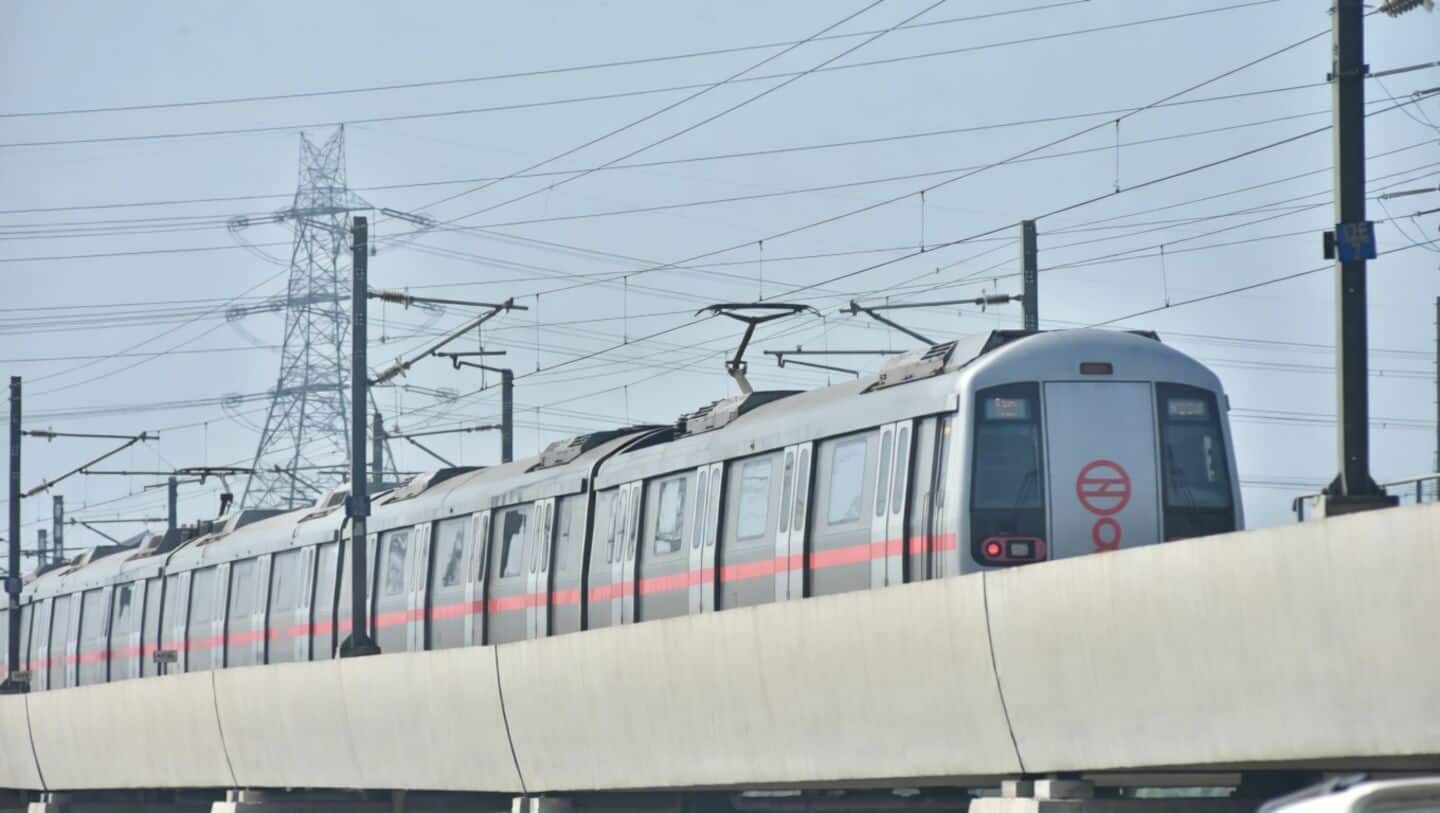
Delhi austerity: DMRC to run 24 additional train trips
What's the story
The Delhi Metro Rail Corporation (DMRC) has announced that it will run 24 additional train trips from Monday. The move comes after Prime Minister Narendra Modi urged citizens to reduce the use of private vehicles and switch to public transport amid a global energy crisis. The DMRC's decision is part of a larger effort to promote fuel conservation and sustainable mobility in the national capital.
Capacity expansion
Measures taken by DMRC to manage passenger demand
The DMRC has taken several steps to handle the anticipated increase in passenger demand.
These include deploying additional security personnel, operating more ticketing counters, activating spare DFMDs and baggage scanners, and reducing waiting times at frisking points.
The corporation has also operationalized parking facilities at 126 metro stations across Delhi-NCR for commuters' convenience.
Digital initiatives
Digital ticketing solutions introduced
To further ease commuting, the DMRC has introduced digital ticketing solutions such as QR code tickets, WhatsApp ticketing, and IRCTC integrations.
These measures are aimed at reducing queues at stations and improving overall passenger experience.
The metro network is also linked with railway stations, interstate bus terminals, and airport terminals, among others, to promote integrated transport connectivity.
WFH advisory
Delhi government issues work-from-home advisory
In light of the global energy crisis, the Delhi government has also issued a work-from-home (WFH) advisory.
The advisory recommends that private companies implement a minimum of two days of WFH per week and staggered working hours to reduce peak-hour traffic.
It also encourages employees to use carpooling and public transport.
Fuel impact
Rising fuel costs and energy crisis
The advisory comes as CNG prices in Delhi and Mumbai increased by ₹2 per kg on May 15. Petrol and diesel prices were also hiked by ₹3 per liter.
The DMRC remains committed to supporting national priorities such as reducing fuel dependency, promoting sustainable mobility, enhancing commuter convenience, and strengthening economic resilience.