Iran allows Indian tankers to pass through Strait of Hormuz
What's the story
Iran has permitted Indian-flagged tankers to pass through the Strait of Hormuz, a vital waterway for global energy supplies, after External Affairs Minister S Jaishankar spoke with Iranian Foreign Minister Abbas Araghchi, multiple news channels reported. Jaishankar spoke to Araghchi on Tuesday, their third discussion since the conflict started. At least two Indian tankers, Pushpak and Parimal, are now safely passing through the strait.
Energy lifeline
About the Strait of Hormuz
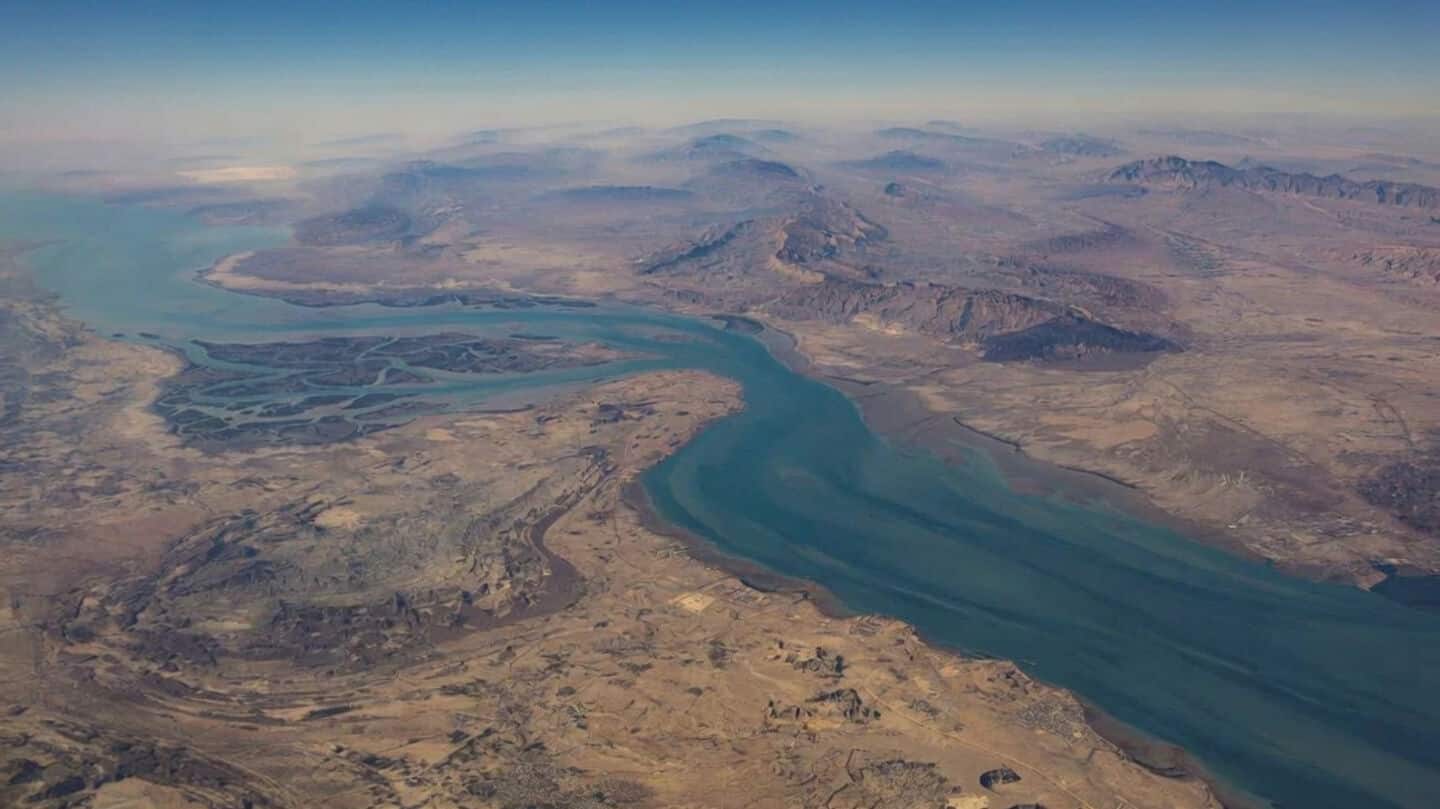
The Strait of Hormuz is a 55-km-wide water channel between Iran and Oman, linking the Persian Gulf with the Arabian Sea.
It is one of the world's busiest and most strategically important shipping routes. Around 13 million barrels of oil per day pass through these waters, accounting for nearly one-third of global oil shipments.
The passage is also crucial for liquefied natural gas shipments, impacting financial markets and supply chains worldwide if disrupted.
Diplomatic engagement
Jaishankar's diplomatic efforts bear fruit
Jaishankar's diplomatic efforts were aimed at ensuring India's energy supplies remain uninterrupted amid rising tensions in West Asia.
He also consulted other key international counterparts, such as Russia's Sergey Lavrov and France's Jean-Nol Barrot on maintaining stability in critical shipping lanes.
On the Indian government's part, officials said refineries are functioning at full capacity, and approximately 70% of the country's crude imports are now coming from sources other than the Hormuz route, including Russia, the United States, and West Africa.
Others
International Energy Agency to release oil reserves
To address supply disruptions due to the conflict, on Wednesday, the International Energy Agency (IEA) also decided to release 400 million barrels of oil from the emergency reserves of its member countries.
The release will be based on national circumstances and supplemented by additional measures from some governments.
IEA member countries hold over 1.2 billion barrels in emergency reserves and about 600 million barrels in industry stocks under government obligations.