India prioritizes natural gas supply amid West Asia crisis
With conflicts in West Asia disrupting natural gas imports, India has activated the Essential Commodities Act to ensure equitable distribution of natural gas to designated priority sectors.
The government's new order, issued March 9, 2026, overrides old supply deals and puts official controls in place: big news for a country that depends on imports for half its natural gas.
Who gets gas 1st?
India's total gas consumption is on the order of tens of billion cubic meters per year (about 69.4 BCM annually (annualized from ~190 million standard cubic meters per day reported in the source)), about half of it comes from abroad, much of it through the risky Strait of Hormuz.
Now, there's a four-level priority list: homes and public transport get top billing for piped and compressed natural gas, followed by fertilizer plants, then industries like tea and manufacturing.
Central agencies will manage supply allocation and a pooled price will be notified by PPAC, with state governments coordinating enforcement.
LPG shortages in cities
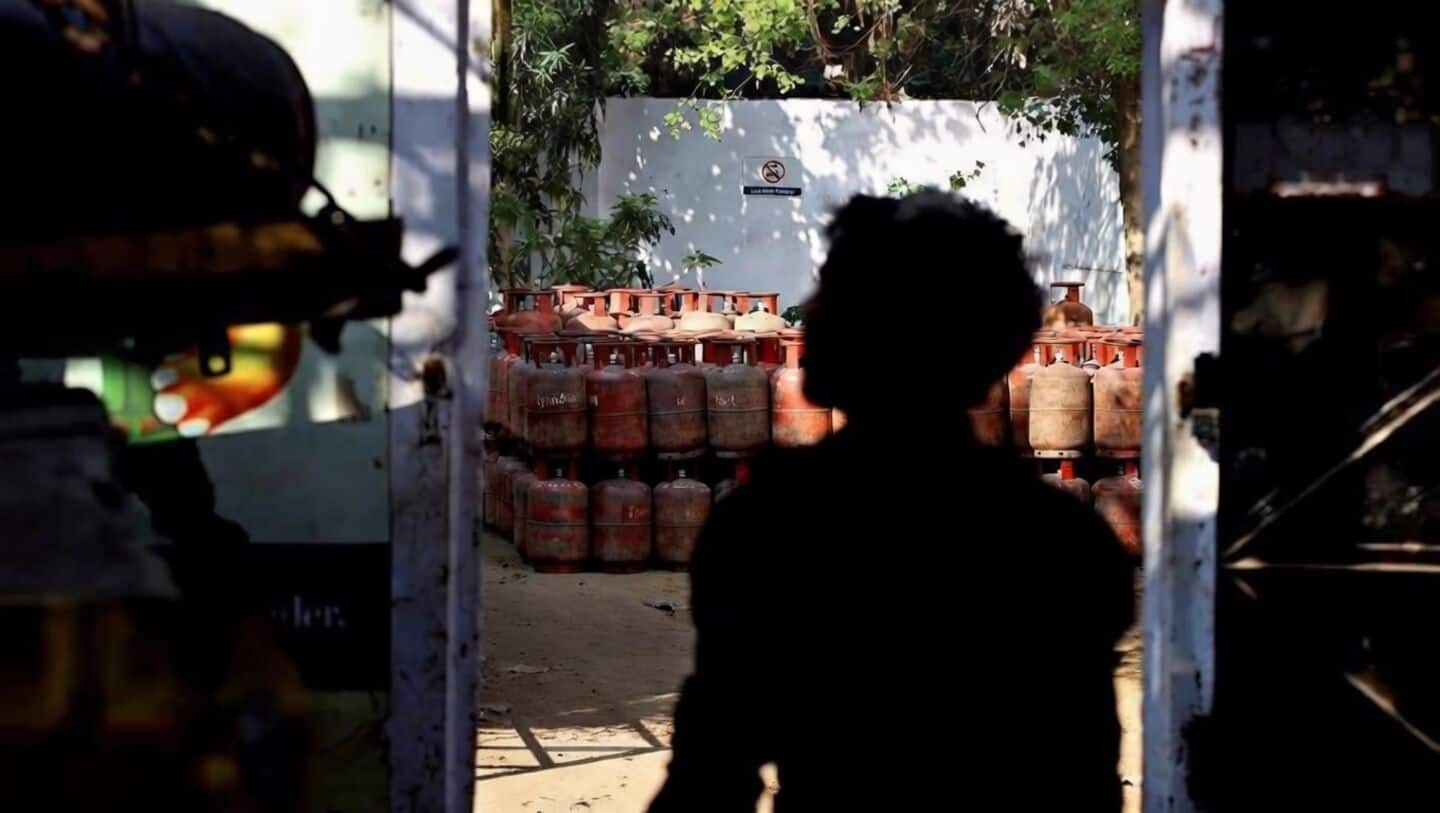
Because more gas is being diverted to essential services, cities like Delhi and Mumbai are seeing shortages of commercial liquefied petroleum gas (LPG) supplies, affecting restaurants and other businesses, while household LPG supply is being prioritized.
Restaurants and even crematoriums are feeling the pinch.
The government says it's working to keep things running smoothly while this crisis plays out.