India turns to coal as US-Iran war disrupts energy supplies
What's the story
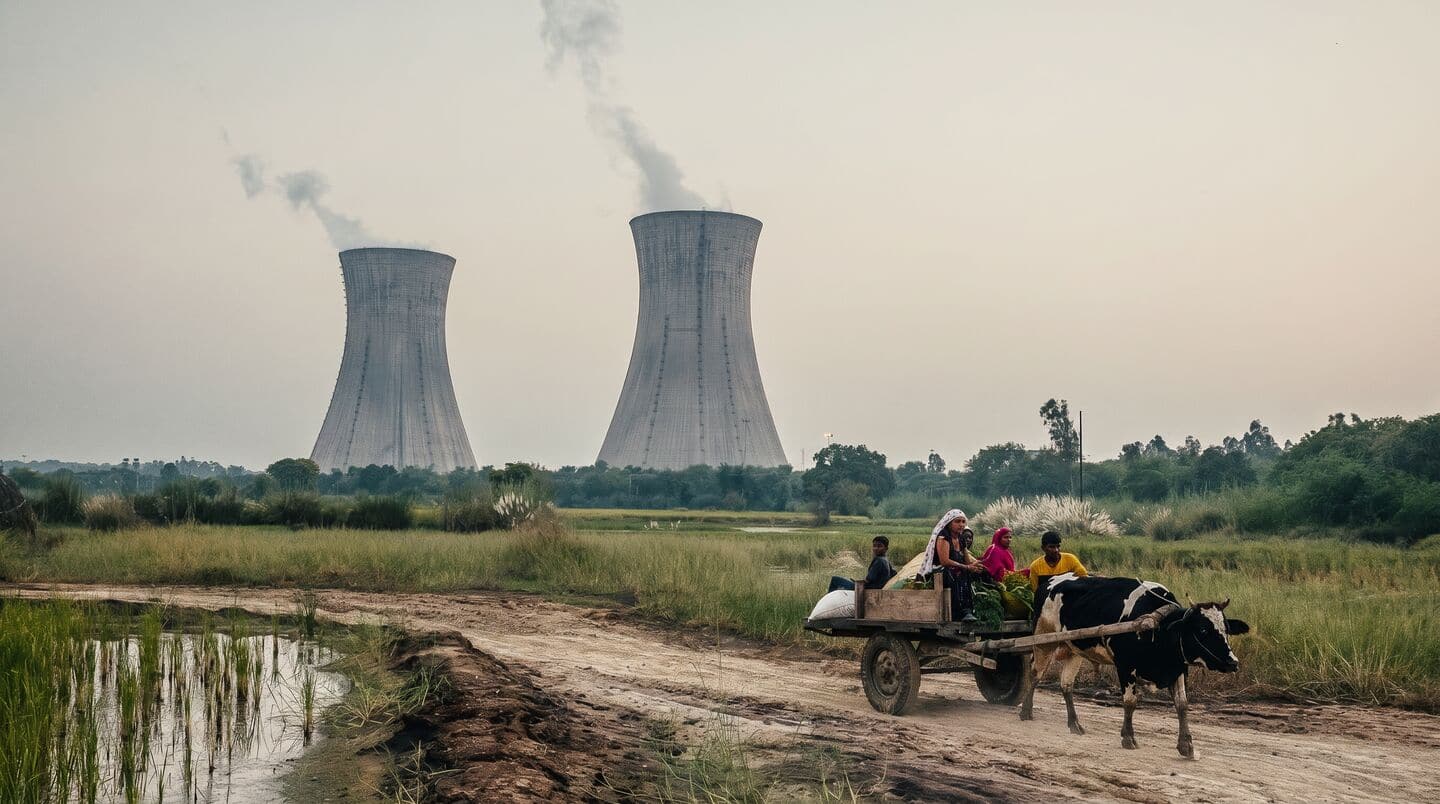
India is relying more on coal to meet its energy needs as the ongoing US-Iran war has disrupted supplies and a nationwide heatwave has raised demand. Coal-fired power plants generate over 70% of India's electricity, with this share likely to increase this year. In April, coal-fired power generation rose to an average of 164.9 gigawatts from last year's 160.7 gigawatts, according to S&P Global Energy data.
Energy shift
Peak summer heat drives up power demand
The increase in coal usage is mainly due to rising electricity demand amid heatwaves. On April 27, all of the world's 50 hottest cities were in India, according to AQI data. "Heatwave conditions, with readings above 40-45 degrees C, across several places in India have lifted power demand," Andre Lambine of S&P Global Energy said. High liquefied natural gas prices have also made gas-based power generation less viable, prompting a greater reliance on coal during peak summer months.
Industrial impact
Cement industry also increasing coal use
The demand for coal is not just limited to the power sector. Industries like cement producers are also turning to coal as supplies of petroleum coke have been disrupted due to the conflict in West Asia. This has led prices to soar and pushed cement companies to use coal instead of petcoke, Firat Ergene from Kpler said.
Emission outlook
India's emissions rising despite net-zero pledge
Despite being the world's third-largest carbon dioxide emitter, India has pledged to cut its economy's emissions intensity by 47% by 2035. The country aims to achieve net-zero status by 2070. However, India's carbon dioxide emissions continue to rise, albeit at a slower pace than in previous decades. If the El Nino climate effect occurs, coal-fired power generation in India could grow by up to 10% year-on-year.