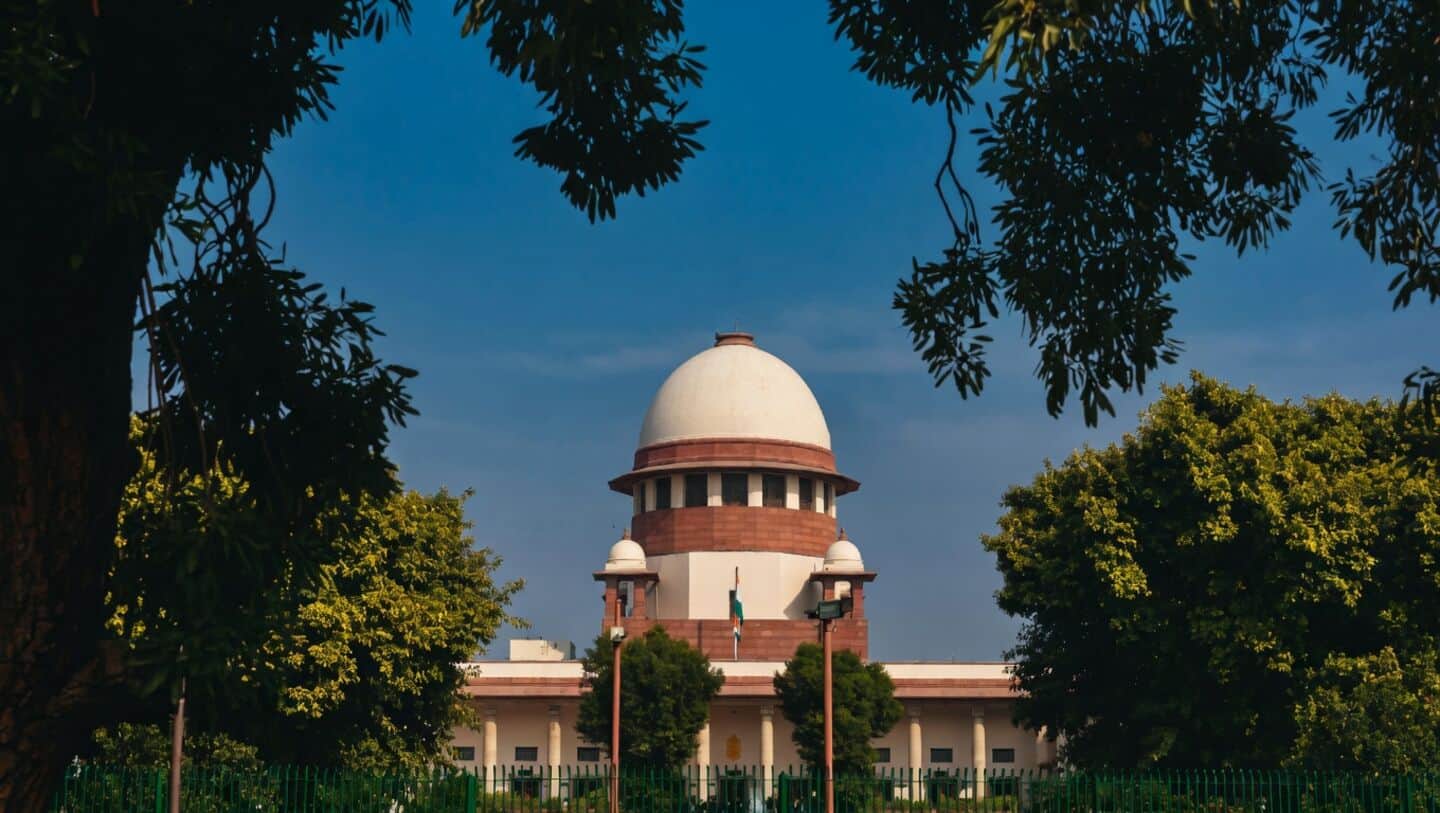
India's Supreme Court says it can call religious practices superstitious
India's Supreme Court has said it can officially label certain religious practices as "superstitious," even if they're tied to tradition.
This came up during a big hearing about gender-based restrictions at religious institutions.
The government pushed back, saying courts shouldn't judge religious matters, but the nine-judge bench led by Chief Justice Surya Kant is reviewing what counts as constitutional when it comes to faith and equality.
Solicitor General says lawmakers decide superstition
The solicitor general argued that only lawmakers, not judges, should decide what's superstitious, but Justice Amanullah responded that courts have a role too, especially when rights are at stake.
This debate follows the 2018 ruling that let women enter Sabarimala.
The outcome could impact other places with similar restrictions, and the court will keep discussing these big questions around freedom and discrimination in religion over the coming days.