UP government's new green push: 1,725 e-buses for 18 towns
What's the story
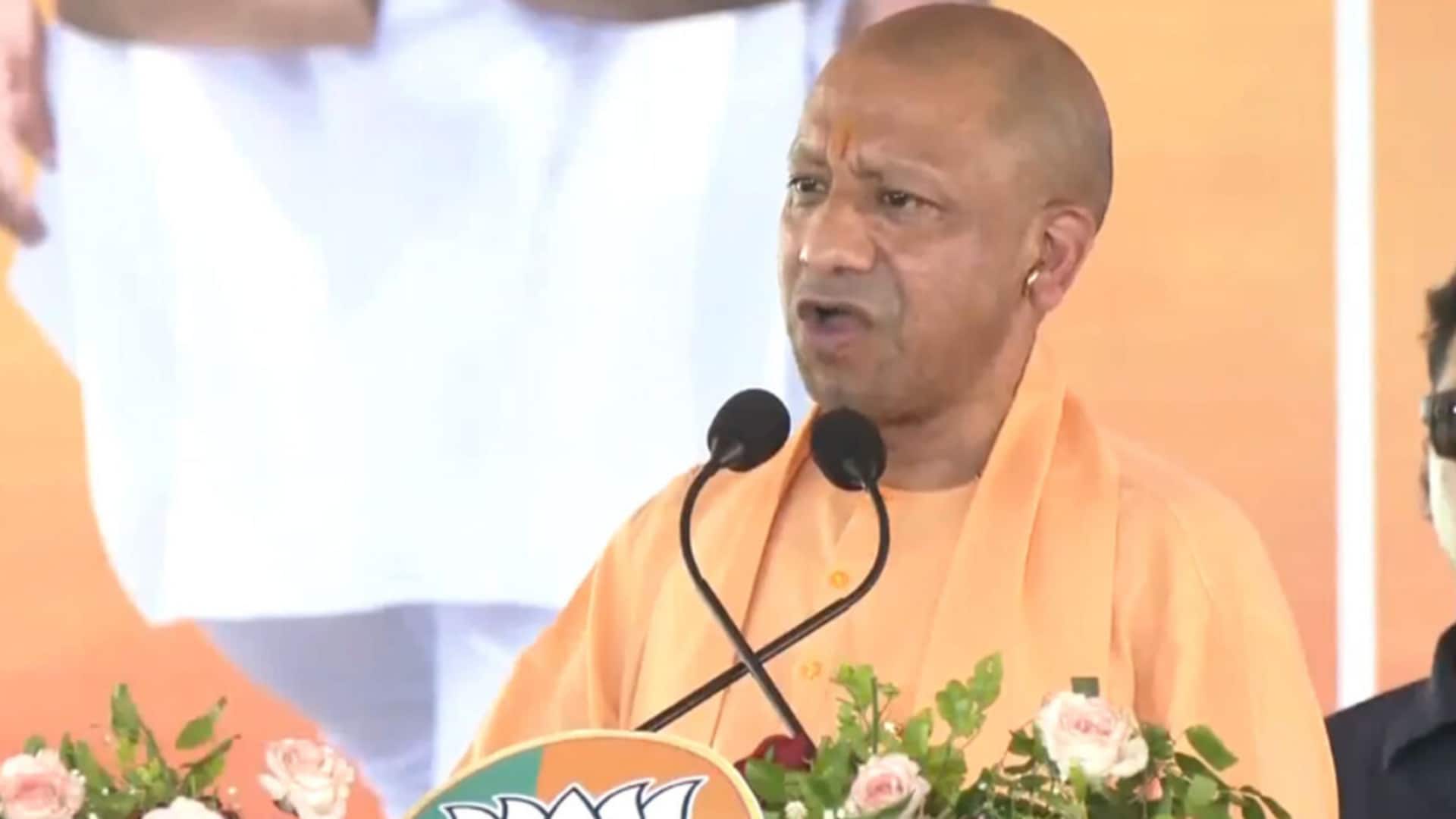
The Uttar Pradesh Cabinet has approved a proposal to introduce 1,725 new air-conditioned electric buses in 18 metropolitan towns. The decision was taken during a meeting chaired by Chief Minister Yogi Adityanath. The project will be implemented under a public-private partnership (PPP) model at an estimated cost of ₹1,852 crore.
Project details
New fleet to serve peripheral areas
The new fleet of e-buses will be in addition to the 743 e-buses already running in Uttar Pradesh.
Urban Development and Energy Minister AK Sharma has confirmed that these buses would also serve peripheral areas.
The fleet includes 725 mini-buses (9 meters) costing ₹90 lakh each and 1,000 large buses costing ₹1.20 crore each.
Financial support
Subsidies for selected operator
The selected operator for the project will be given subsidies of ₹35 lakh for each mini-bus and ₹40 lakh for each large bus. This would limit the total burden on the state government to ₹653 crore.
In return, these operators will need to develop and manage supporting infrastructure such as charging stations and service centers.
Special purpose vehicles (SPVs) have been formed to operate these e-buses in 16 municipal corporations, with one currently being formed in Firozabad.
City allocation
Lucknow, Kanpur, Varanasi to get maximum e-buses
Lucknow and Kanpur will each get 300 e-buses, followed by Varanasi with 250.
Noida (including Jewar) and Agra will get 100 e-buses each.
Other cities like Ayodhya, Prayagraj, Mathura-Vrindavan, and Aligarh will also receive a share of the new fleet under this initiative.
The government hopes this revised model will attract multiple operators, thereby improving public transport in Uttar Pradesh significantly.
Additional decisions
UP Cabinet clears proposals for setting up new jails
The Noida Authority will offer land at no cost for the construction of the necessary depots in the city.
Fares and user fees will be established based on demand.
This initiative aims to significantly enhance the quality of public transportation, reduce pollution, and ensure that passengers have access to comfortable, safe, and timely travel options.