Up to states to close/withdraw FIRs against protesters: SC clarifies
What's the story
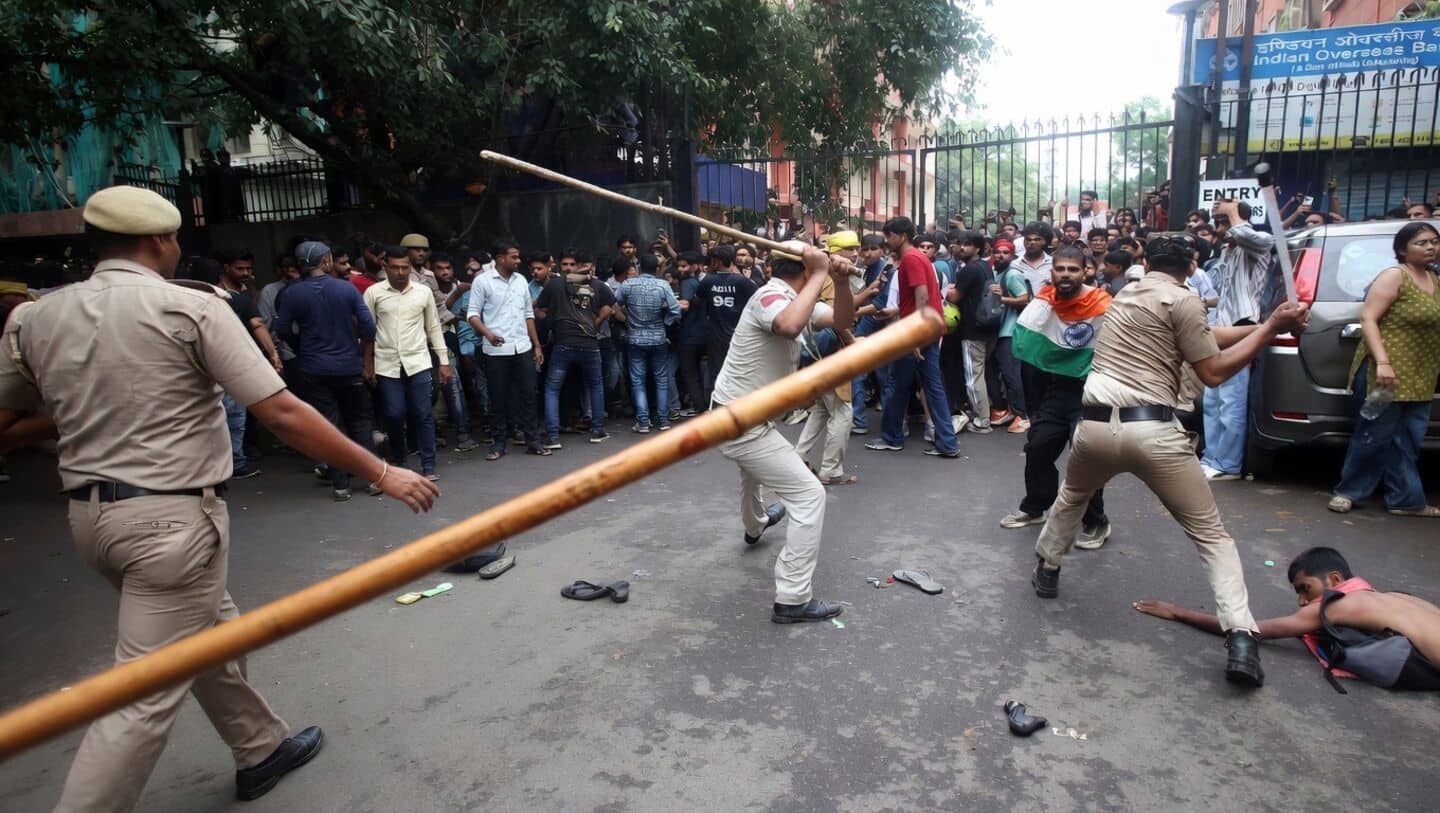
The Supreme Court has clarified that states are free to close or withdraw FIRs against students involved in the recent protests. The clarification came after petitioners argued that the order from July 28 could hinder the withdrawal of such cases. The withdrawal of cases was one of the commitments made by the Union to the Cockroach Janata Party leaders as a condition to end the protests.
Court
Court clarifies the term 'criminal antecedents'
The bench, headed by Chief Justice of India Surya Kant, also clarified that the term "criminal antecedents" in its July 28 order means only "grave and heinous offenses."
The court made the clarification after it was told by petitioners that the term was vague and could cause difficulties to free students who may have petty offenses.
In the July 28 order, the court had said that no coercive action would be taken against students who did not have "criminal antecedents."
Protest aftermath
Options for withdrawal of FIRs
The court was hearing petitions related to violence during the Parliament march.
One set of petitions sought action against police officials for alleged excesses, while another sought redress for injuries sustained by officers.
Appearing for the Union, Solicitor General Tushar Mehta said there was confusion over how to implement the government's commitment to withdraw FIRs, adding that criminal law doesn't allow for FIR withdrawal.
To this, Justice Joymalya Bagchi said the court can "engineer" a process for quashing the FIRs.
Protocol establishment
'Officers involved in excessive force should not be unduly protected'
The Chief Justice also said that police officers involved in brutalities should not be protected after senior advocate Colin Gonsalves raised the issue of a lawyer who allegedly faced assault at the Nizamuddin Police station when he went there to meet detained protesters.
"A police officer involved in excessive force should not be unduly protected. And it should not be that a hardened criminal under the garb of student protest is also getting protected," CJI Kant said.
Evidence preservation
Next hearing on August 18
Furthermore, the court said that it will lay down protocol on how pellet guns can be used after advocate Vrinda Grover said her research showed no document authorizing their use against civilian protesters.
The batch of petitions alleging excessive use of police force against students concerns incidents in Delhi as well as Assam, Bihar, West Bengal, Uttar Pradesh, Madhya Pradesh, Maharashtra and Kerala.
The bench has scheduled further hearings on August 18.