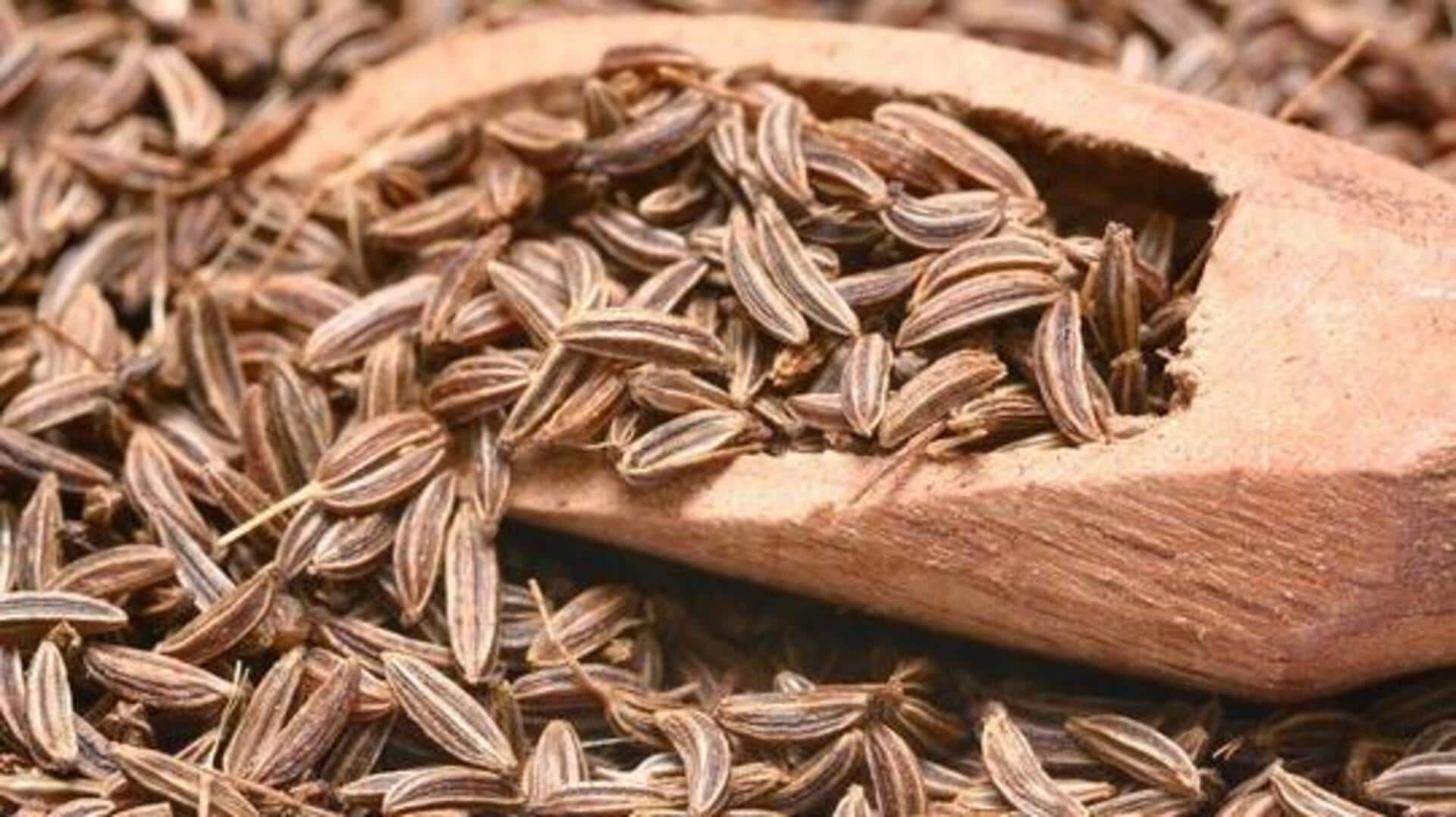
5 iconic dishes that use caraway seeds
What's the story
Caraway seeds, with their distinct flavor, are a staple in several African cuisines. Famous for their aromatic and slightly nutty taste, these seeds are used to elevate the flavors of various dishes. From stews to breads, caraway seeds lend a unique touch that is loved across the continent. Here are five popular African dishes that use caraway seeds, and how they make these culinary creations special.
Dish 1
Moroccan bread with caraway
Moroccan bread is another staple that uses caraway seeds for flavor.
The seeds are mixed into the dough before baking, giving the bread a subtle yet distinct taste.
This bread is commonly served with meals or used as a snack on its own.
The combination of flour, water, yeast, and caraway makes for a simple yet flavorful accompaniment to many Moroccan dishes.
Dish 2
Ethiopian injera flavored with caraway
Injera is an Ethiopian flatbread that doubles as a plate and utensil for traditional meals.
While injera is usually made from teff flour, some variations include caraway seeds for added depth of flavor.
The seeds lend an earthy note that complements spicy stews and lentil dishes commonly eaten with injera.
Dish 3
Tunisian couscous infused with caraway
Couscous is a staple in Tunisian cuisine and is often flavored with caraway seeds to enhance its taste.
The tiny pasta absorbs flavors from vegetables and spices in the dish it accompanies.
Caraway's aromatic qualities make it an ideal match for couscous dishes that include chickpeas or roasted vegetables.
Dish 4
Algerian tagine seasoned with caraway
Tagine is a slow-cooked stew popular in Algeria, prepared in traditional clay pots called tagines.
Caraway seeds are often added to these stews, along with other spices like cumin and coriander.
The slow cooking process allows the flavors to meld together beautifully, resulting in a hearty meal full of rich aromas.
Dish 5
Libyan pasta enriched by caraway
Libyan pasta dishes sometimes incorporate caraway seeds into their sauces or doughs, giving them an extra layer of complexity.
Whether used sparingly or generously throughout the preparation process, these versatile little pods can transform ordinary pasta into something truly special when combined thoughtfully alongside other ingredients, like tomatoes or olives.