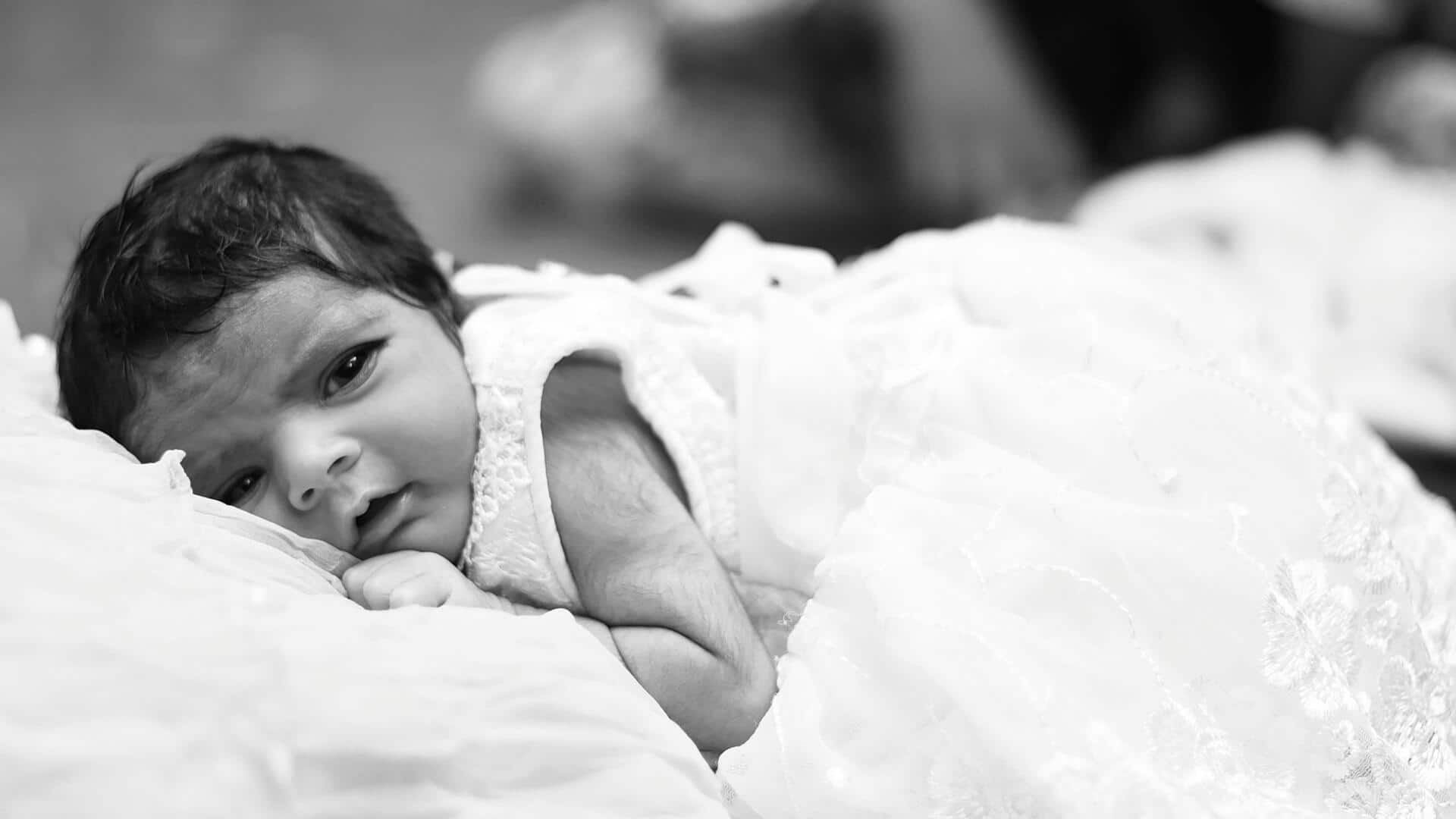
How India celebrates the birth of a baby
What's the story
In India, the arrival of a newborn is celebrated with great enthusiasm and cultural significance. Each region has its own unique traditions that have been passed down through generations. These practices are not just about celebrating the birth but also about welcoming the child into the family and community. From rituals to festivities, these traditions reflect India's rich cultural heritage and diverse customs.
#1
Naming ceremony traditions
The naming ceremony, or Namkaran, is an important ritual in many Indian cultures.
It usually takes place on the 11th day after birth, though the date may vary according to regional customs.
Family members gather to choose a name based on astrological considerations or family traditions.
The ceremony is accompanied by prayers and blessings from elders, signifying the child's identity and future.
#2
First outing rituals
The first outing of a newborn is often marked with elaborate rituals in India. This event usually occurs after a certain number of days post-birth, depending on regional beliefs.
The baby is dressed in traditional attire, and family members participate in prayers for protection and good health.
This practice symbolizes the child's introduction to the outside world under divine protection.
#3
Celebratory feasts and gatherings
Celebratory feasts are an integral part of welcoming a newborn in India.
Families host gatherings where relatives and friends come together to rejoice with traditional dishes prepared specially for the occasion.
These feasts serve as an opportunity for families to bond and share their joy with loved ones, strengthening community ties.
#4
Rituals for health and protection
Many Indian cultures have specific rituals aimed at ensuring health and protection for newborns.
These may include tying protective threads or amulets around the baby's wrist or neck during a ceremony led by priests or elders.
Such practices are believed to ward off negative energies and ensure well-being during early childhood.
#5
Blessings from elders
Blessings from elders form an integral part of welcoming a newborn in India.
Elders usually offer prayers for prosperity, health, and happiness during various ceremonies held at home or temples.
Their blessings are regarded as a vital source of guidance for both parents and children as they embark on this new journey together.