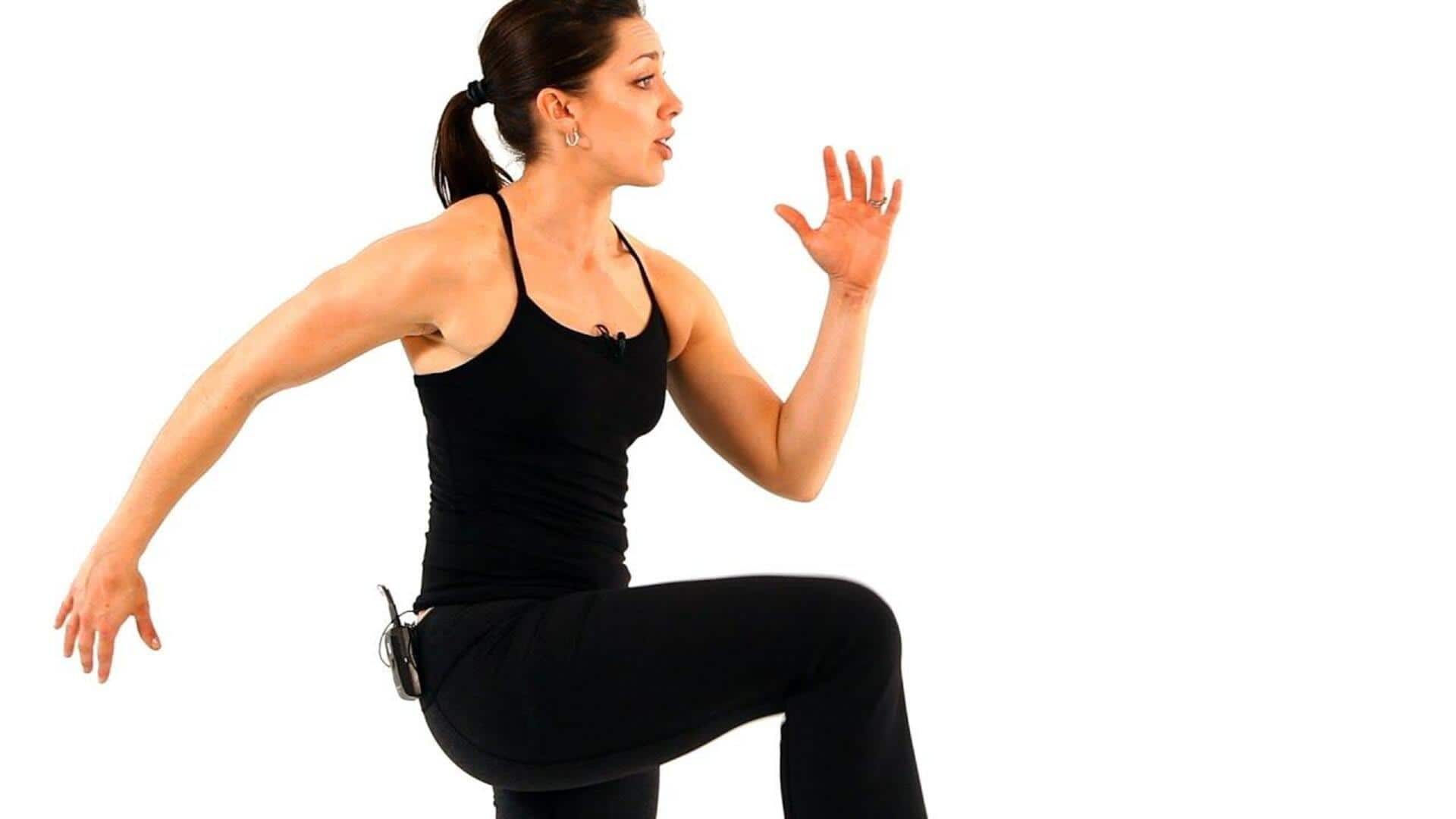
5 simple drills to improve your marching technique
What's the story
Marching drills are an essential part of military training, helping improve discipline, coordination, and physical fitness. These drills are designed to instill the precision and teamwork required in military operations. By practicing these exercises, soldiers can enhance their marching skills, which are vital for various tasks. Here are five essential marching drills that can help you develop these skills effectively.
Drive 1
Basic forward march
The basic forward march is the foundation of all marching drills. It involves walking in a straight line at a steady pace, maintaining proper posture and alignment. Soldiers must keep their heads up, shoulders back, and arms swinging naturally by their sides. This drill helps develop rhythm and coordination while reinforcing the importance of maintaining a consistent pace.
Drive 2
About turn drill
The about turn drill is all about changing direction quickly and efficiently. Soldiers practice turning one hundred and eighty degrees on command without breaking formation or losing momentum. This drill emphasizes quick reflexes and precise movements, which are crucial during field operations where swift changes in direction may be required.
Drive 3
Column left/right drill
The column left/right drill teaches soldiers how to change direction while maintaining formation integrity. On command, soldiers pivot left or right as a unit while keeping their steps synchronized with the rest of the group. This drill enhances teamwork and communication skills, essential for successful military operations.
Drive 4
Quick time drill
Quick time drill focuses on increasing speed without sacrificing form or control. Soldiers practice moving faster than normal marching pace while still adhering to strict guidelines regarding posture and arm movement. This drill helps build endurance as well as agility—both critical components of effective military performance.
Drive 5
Halt command practice
Practicing the halt command is essential for ensuring that troops stop precisely when ordered during drills or real-life situations. Soldiers learn to respond immediately by halting completely on command without any delay or additional steps forward or backward after stopping. This reinforces discipline under pressure situations where timing accuracy matters significantly.