How to identify authentic handmade products
What's the story
African craftsmanship is famous for its creativity and authenticity. Many products made in Africa come with subtle clues that tell you they are locally sourced. These clues are often hidden in the details of the product, which speak of the culture and traditions of the region. Knowing these signs can help you appreciate the craftsmanship and support local artisans. Here are five such clues that tell you if a product is authentically African.
#1
Unique patterns and designs
African products are often characterized by unique patterns and designs that are culturally significant.
These patterns are not random; they tell stories or represent certain aspects of life in different communities.
For instance, textiles may have geometric shapes that denote different tribes or historical events.
Recognizing these designs can help you appreciate the cultural heritage behind each item.
#2
Natural materials used
The use of natural materials is another telltale sign of African craftsmanship.
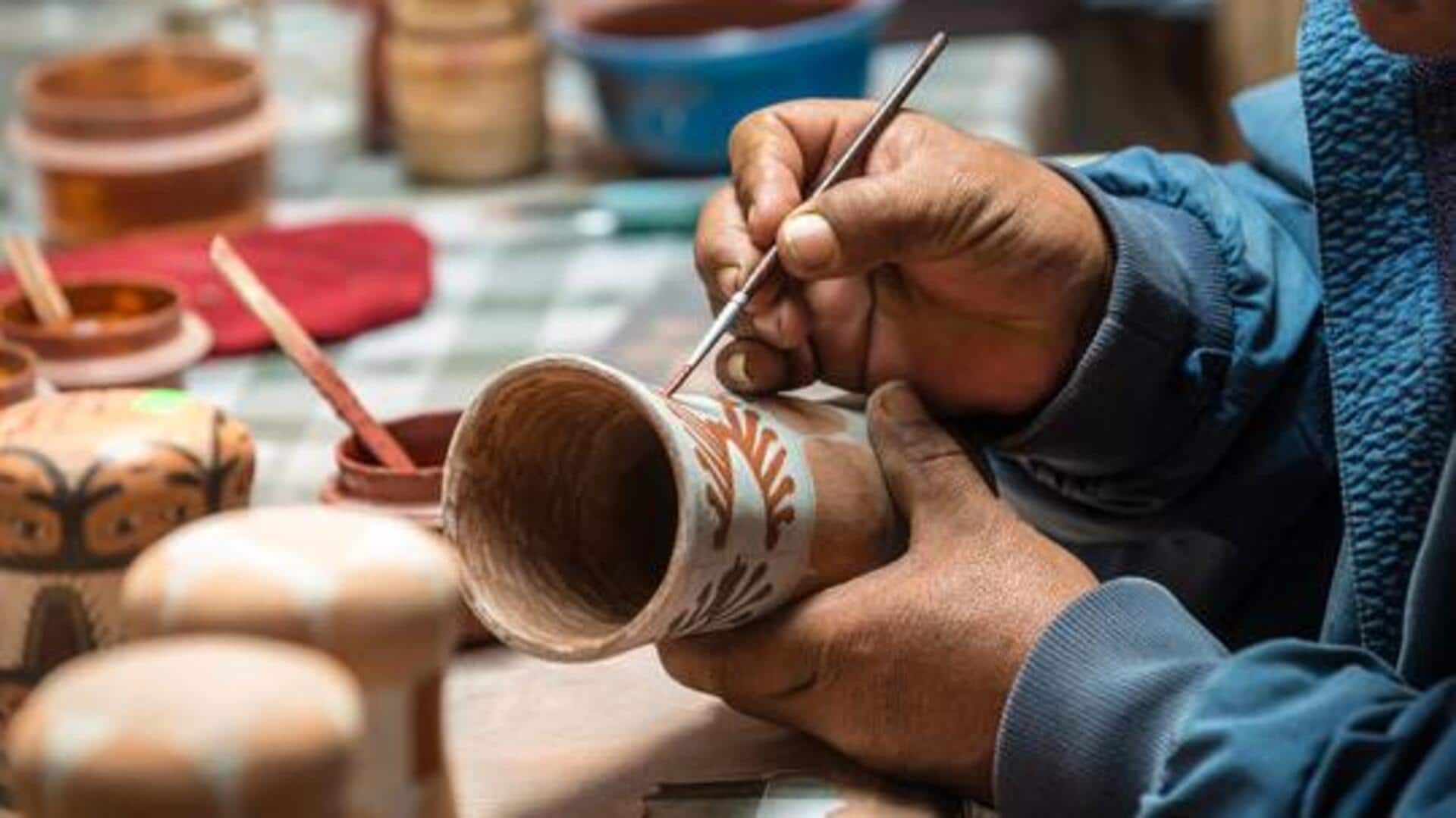
Many artisans use locally sourced materials like wood, clay, or plant fibers to create their products.
The texture and feel of these materials often differ from mass-produced items, giving you a clue about the product's authenticity.
For example, handmade pottery may have an uneven surface due to being shaped by hand rather than machine.
#3
Handcrafted imperfections
Unlike mass-produced goods, handcrafted items often come with slight imperfections that make them unique.
These imperfections are a testament to the artisan's skill and the handmade nature of the product.
For instance, a piece of jewelry may have slight variations in bead size or shape, adding to its charm and authenticity.
These subtle differences are what set handcrafted items apart from factory-made ones.
#4
Local language inscriptions
Sometimes, African products also come with inscriptions in local languages or dialects.
These inscriptions could be names of the artisans, proverbs, or even descriptions of the item itself.
They give you a glimpse into the culture and traditions of the region where it was made.
If you see such inscriptions, it is a good indication that the product was made locally.
#5
Fair trade certification marks
Fair trade certification marks are also a good way to ensure that an African product is ethically sourced and supports local communities.
These marks guarantee that artisans are paid fairly for their work and that sustainable practices are followed in production processes.
Looking for these certifications can help you make informed choices while supporting ethical craftsmanship from Africa.