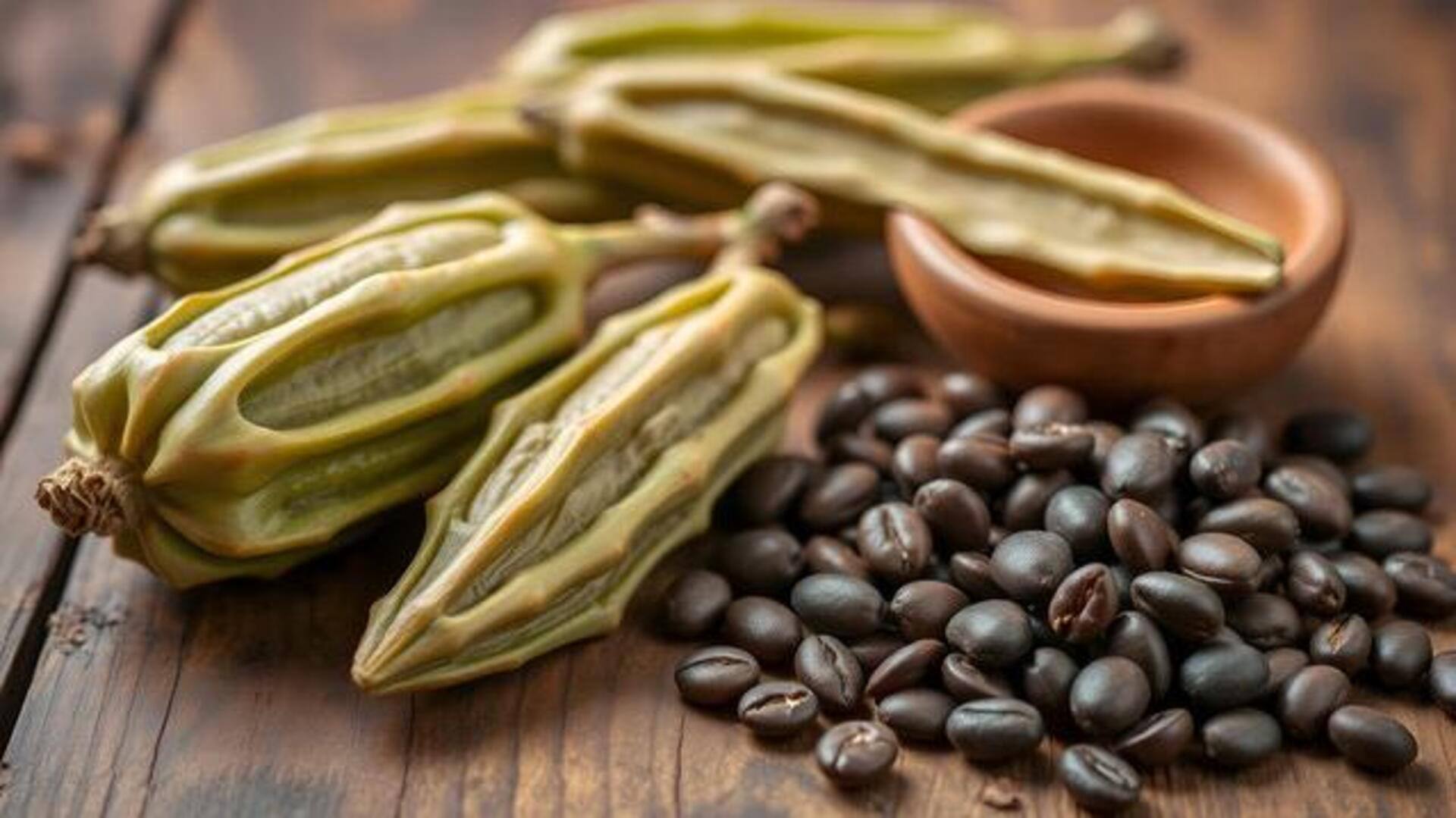
Why you should know about carob pods
What's the story
African carob pods, commonly known for their sweet taste and versatility, are not just a treat for your taste buds. These pods can be used in several unexpected ways, making them an interesting addition to your daily life. From health benefits to practical applications, African carob pods offer a lot more than what meets the eye. Here are five surprising uses of these fascinating pods.
#1
Natural sweetener alternative
African carob pods can be used as a natural sweetener.
The pods are naturally sweet and can be ground into a powder to replace sugar in various recipes.
This makes them an ideal option for people looking to cut down on refined sugars while still enjoying sweetness in their food.
The powder can be added to baked goods, smoothies, or even sprinkled over breakfast cereals for added flavor.
#2
Nutrient-rich flour substitute
The ground powder of African carob pods can also be used as a flour substitute in gluten-free baking.
The flour is rich in fiber and contains essential vitamins and minerals, such as calcium and potassium.
It gives a nutty flavor to baked goods without gluten or wheat-based flours, making it an ideal option for those with dietary restrictions or preferences.
#3
Natural dye for textiles
Apart from culinary uses, African carob pods also serve as a natural dye for textiles.
The tannins in the pods yield rich brown hues when used in dyeing processes.
This eco-friendly alternative gives artisans, and textile enthusiasts a sustainable option to color fabrics without resorting to synthetic chemicals.
#4
Soil enrichment agent
The pods can also be used as an organic soil enrichment agent due to their high nutrient content.
When decomposed, they release essential nutrients back into the soil, promoting plant growth naturally.
Gardeners often incorporate these pods into compost piles, or directly into garden beds, to improve soil fertility over time.
#5
Traditional medicine component
In some cultures, African carob pods have been used in traditional medicine practices for their health benefits.
They are believed to have antioxidant properties that may help combat oxidative stress in the body.
Additionally, some people use them as part of herbal remedies aimed at supporting digestive health, or boosting immunity naturally over time.