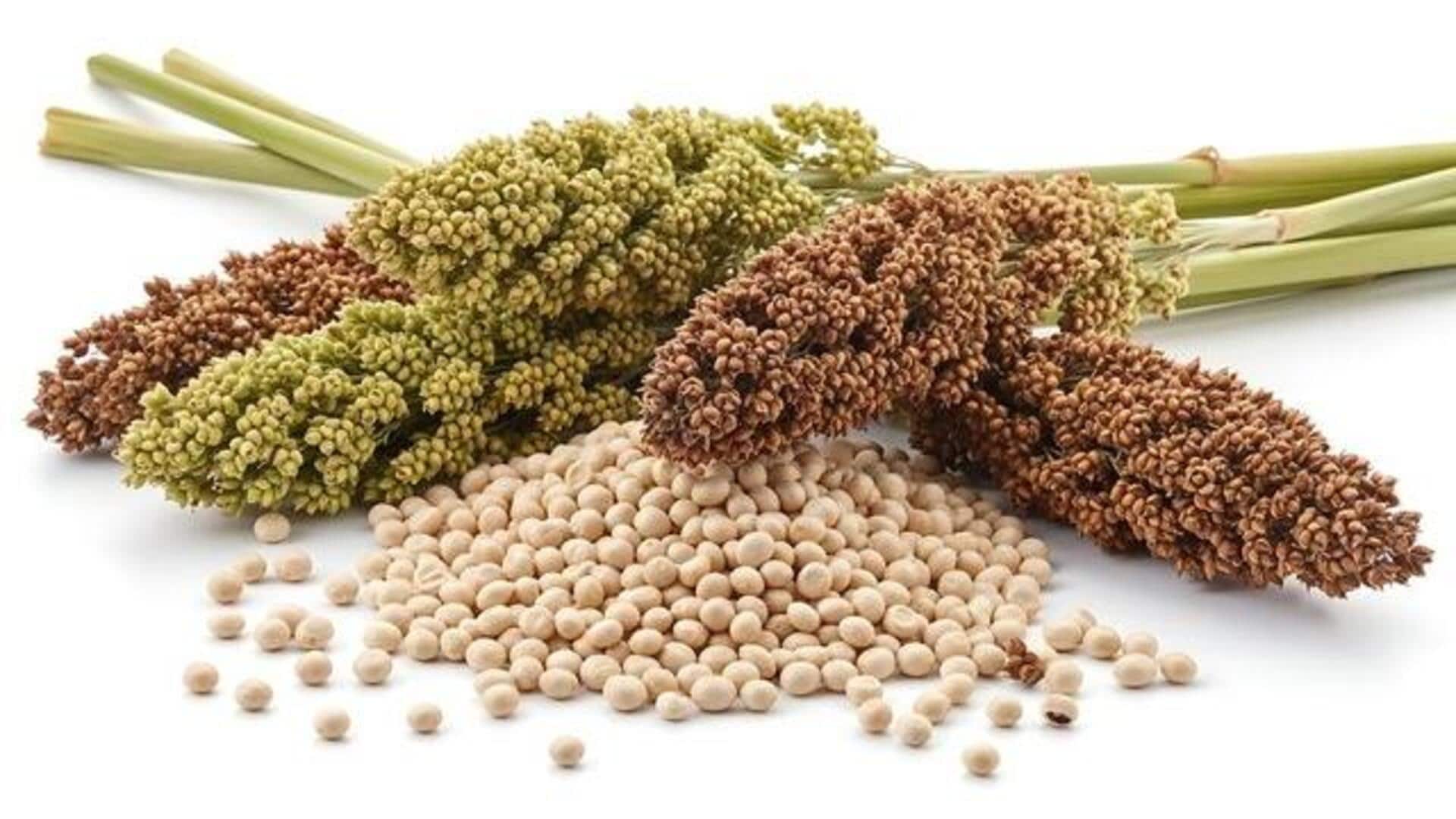
Sorghum: Nutrition, culinary uses, and more
What's the story
African guinea corn, or sorghum, is a staple grain across Africa. It is celebrated for its versatility and nutritional value. The ancient grain is drought-resistant, making it an important crop in arid regions. It is rich in nutrients and can be used in various dishes, making it a dietary staple. Here are some insights into the benefits of African guinea corn, and how it contributes to food security.
#1
Nutritional powerhouse
African guinea corn is loaded with essential nutrients, such as protein, fiber, vitamins, and minerals.
It also has antioxidants that help in fighting oxidative stress in the body.
The high fiber content promotes digestion and keeps cholesterol levels in check.
Being gluten-free, it is an excellent option for those with gluten intolerance or celiac disease.
#2
Versatile culinary uses
This versatile grain can be used in a number of culinary applications.
It can be ground into flour for baking bread or porridge, or cooked whole as a side dish or salad ingredient.
Its mild flavor makes it blend well with other ingredients without overpowering them, making it a favorite among cooks looking for nutritious alternatives.
#3
Economic importance
Growing African guinea corn also provides a source of income for many farmers across Africa.
It requires less water than other crops, making it ideal for regions with limited rainfall.
This resilience ensures steady production even during droughts, providing food security and economic stability to communities dependent on agriculture.
#4
Environmental benefits
Sorghum's drought-resistant nature not only ensures reliable yields but also promotes sustainable farming practices by conserving water resources.
Its ability to thrive in poor soil conditions reduces the need for chemical fertilizers, minimizing environmental impact.
By supporting biodiversity, and requiring fewer inputs than other grains, sorghum contributes significantly to sustainable agriculture efforts across the continent.