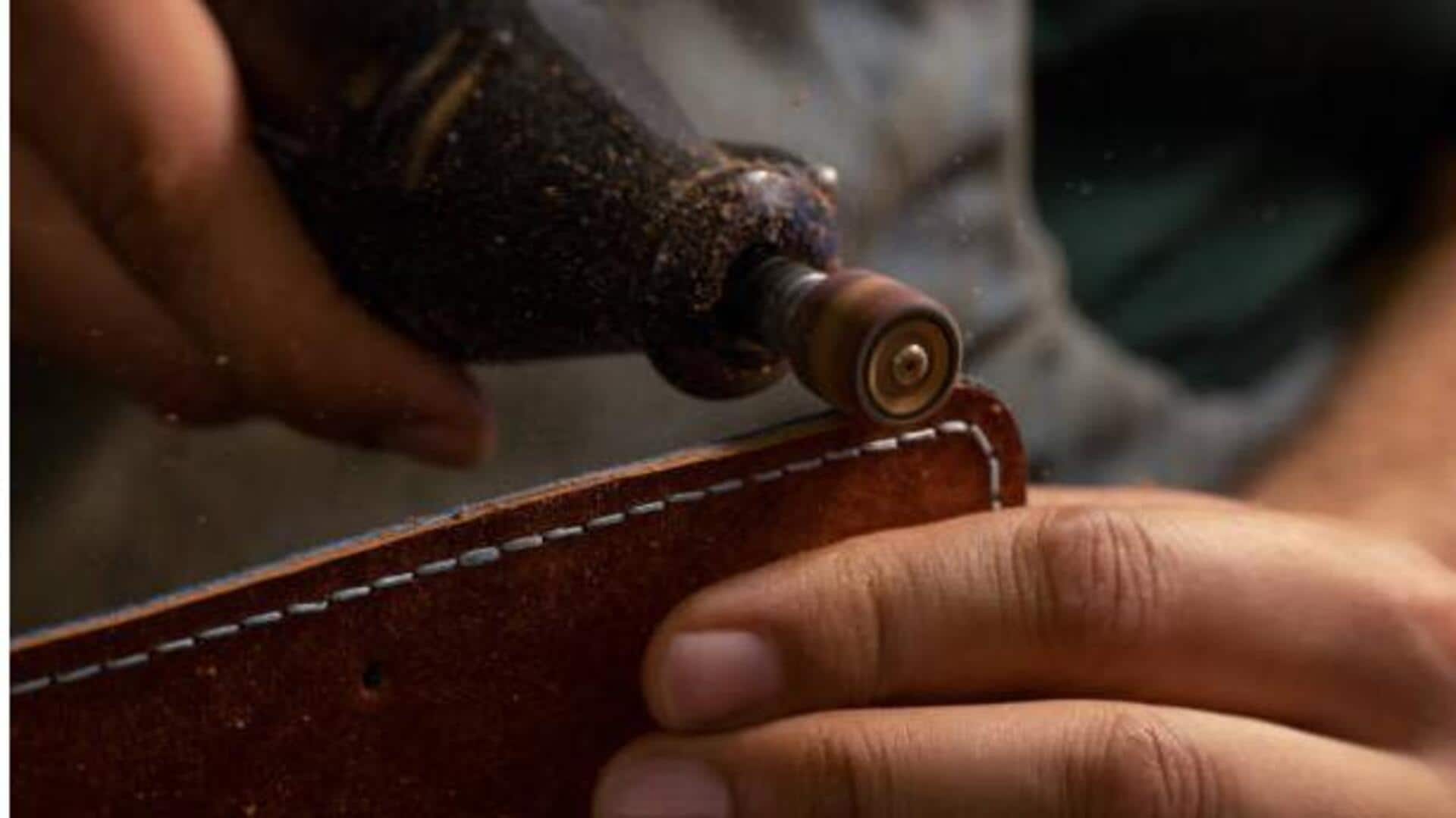
All about African leather crafting
What's the story
African leather crafting is a unique blend of traditional techniques and contemporary styles. The art has been passed down through generations, preserving cultural heritage while adapting to modern tastes. From intricate designs to durable products, African leather crafting showcases the continent's rich artistic traditions. This article explores various aspects of this craft, highlighting its significance and evolution over time.
#1
Traditional techniques in leather crafting
Traditional African leather crafting techniques are deeply rooted in cultural practices.
These techniques often involve hand-stitching, dyeing with natural materials, and using tools made from locally available resources.
Artisans employ methods passed down through generations to create durable and aesthetically pleasing items.
The use of natural dyes and materials not only preserves the environment but also adds a unique character to each piece crafted.
#2
Contemporary styles influenced by global trends
In recent years, African leather crafting has been influenced by global fashion trends, while still retaining its unique identity.
Designers are now incorporating modern cuts, vibrant colors, and innovative patterns into their creations.
This fusion of traditional and contemporary styles has widened the appeal of African leather products in international markets.
It allows artisans to reach a broader audience without losing their cultural essence.
#3
Economic impact on local communities
The leather crafting industry has a significant economic impact on local communities across Africa. It provides employment opportunities for many artisans and supports local economies through the sale of handcrafted goods.
By participating in this industry, communities can achieve financial independence while preserving their cultural heritage.
The demand for authentic African leather products continues to grow globally, further boosting economic prospects.
#4
Challenges faced by artisans today
Despite its potential, the African leather crafting industry faces several challenges.
These include limited access to quality materials, competition from mass-produced goods, and the need for better marketing strategies.
Artisans often struggle with the high cost of production and low profit margins due to market saturation or lack of awareness about their products' value among consumers outside Africa.